
Russia restricts publication of oil refining and export data — OilPrice
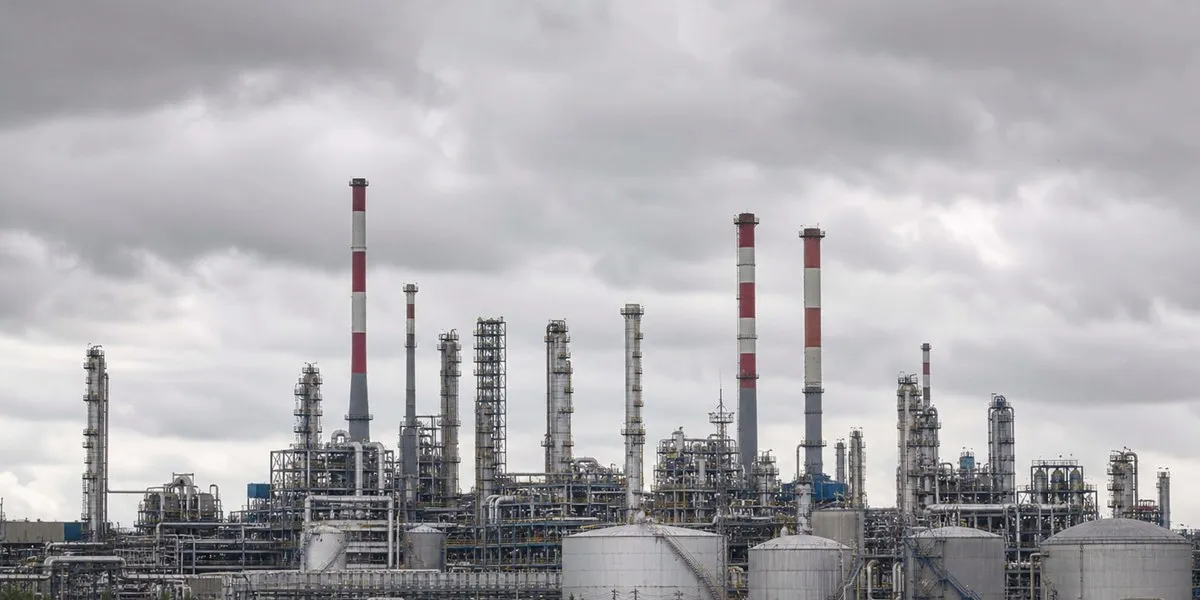
In Russia, an aggressor state, restrictions on the public dissemination of data on the operations of oil refineries, contracts, and tanker routes have come into force. Putin signed the corresponding decree on September 28, OilPrice reports, citing Reuters.
What data was restricted
The restrictions cover information on oil refining volumes at Russian facilities, as well as contract details. This includes product names, volumes, prices, buyers and sellers, payment terms, transportation routes, and vessel coordinates at export terminals.
The restrictions also apply to customs statistics and planned sales volumes on commodity exchanges. According to the text of the decree, such data may not be disseminated through media or internet networks unless the company itself decides to disclose its own figures. The Russian government was given ten days to determine the specific product codes to which the restrictions will apply.
More current news is available on the UA.News Telegram channel Telegram.
Oil refining situation
The Kremlin explains the decision by the actions of Washington and its allies, which Moscow calls unfriendly. Previously, Russian authorities classified oil production data after the attempt to illegally annex Ukraine's Crimea in 2014, and tightened the restrictions after the full-scale invasion of Ukraine in 2022.
According to International Energy Agency data cited by OilPrice, by June 2026 oil refining in Russia amounted to 3.8 million barrels per day — 30% less than a year earlier and the lowest figure in more than two decades. The publication also notes that during the first eight months of 2026, Ukrainian drones attacked an average of one Russian oil refinery every three days. Gasoline production, according to OilPrice, fell by about 20%, while diesel fuel production declined by nearly 30%.
Russian Deputy Prime Minister Alexander Novak said this month that fuel supplies had improved thanks to additional deliveries from refineries. Putin, in turn, estimated the share of plants still requiring repairs at approximately 10%.




