
Sharif did not approve LPG auction results of state companies in Pakistan — Dawn
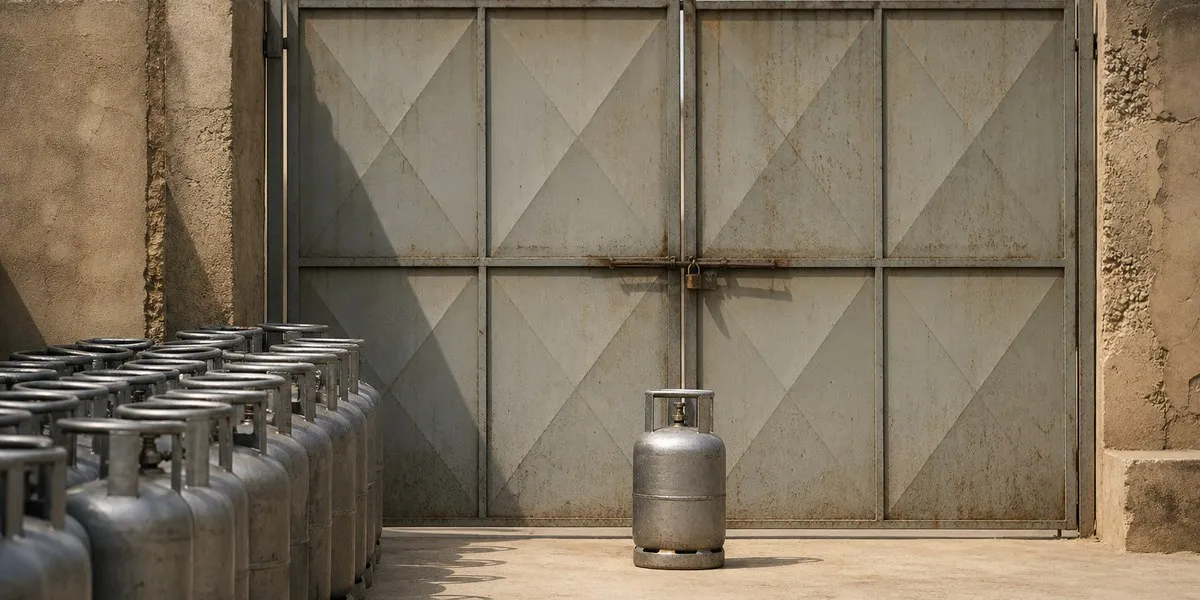
Pakistani Prime Minister Shehbaz Sharif did not approve the results of auctions for the sale of liquefied petroleum gas (LPG) produced by state-owned companies. There is currently no proper legal and policy framework for such operations, Dawn reports.
According to the publication, the head of government proposed comprehensively revising the policy and creating a legal and regulatory framework before concluding any agreements. He also did not approve temporary measures, so the results of the simultaneous auctions held by three major state-owned LPG producers on August 10 will not be implemented.
Possible price increase
Approval of the auction results, according to the source's assessment, could have raised the price of LPG by at least 15% in addition to the winter increase. The proposal envisaged linking the price of locally produced LPG to import parity and increasing margins for marketing companies and distributors.
The expected impact was estimated at 77,000 Pakistani rupees per tonne, or about 900 rupees for an 11.8 kg household cylinder. The highest bid for supplying one lot over three years amounted to 205 million rupees. One lot provided for the supply of five tonnes of LPG per day.
More current news is available on the UA.News Telegram channel Telegram.
Supply and imports
A household LPG cylinder in Pakistan sells for about 5,000 rupees, while the maximum price set by the OGRA regulator is 3,296 rupees. As Dawn writes, supplies through the land border at Taftan remain insignificant, while more than 25,000 tonnes of LPG are held up in Rahimdan near Gwadar.
Industry representatives told the publication that tankers have been waiting for unloading and clearance at the Gwadar terminal for about a month, causing freight costs to rise from $100 to $400 per tonne. The closure of the Strait of Hormuz has also limited imports, leaving Oman as the main alternative source of supply.
Pakistan's annual LPG demand ranges from 1.4 million to 2 million tonnes, with the country importing more than half of the volume. Some market participants are challenging the auction procedure in court, arguing that the current rules do not provide for such a mechanism.




