
Pakistan criticizes tariff terms for Faisalabad–Peshawar oil pipeline — Dawn
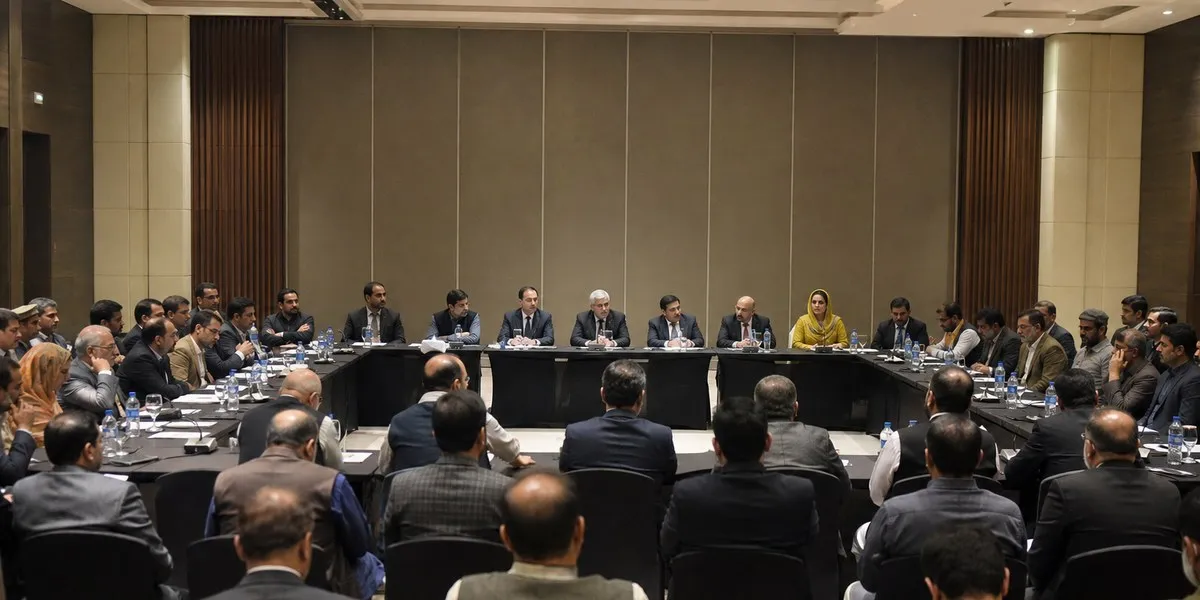
In Islamabad, Pakistan, participants in public hearings voiced objections to the proposed dollar-denominated guaranteed return for the $432 million Faisalabad–Peshawar oil pipeline. The project involves the construction of a 437-kilometer pipeline, and investors seek to recoup their investments within four years.
The hearing was held by Pakistan’s Oil and Gas Regulatory Authority (Ogra) following an application by the Frontier Works Organisation to set a fuel transportation tariff. The meeting was chaired by Ogra Deputy Chairman Shahzad Iqbal. As Dawn reports, those present generally supported the construction of the pipeline because of its advantages over road transport of fuel, but warned that the terms for investors could negate those benefits.
Tariff through 2058
According to the submitted tariff application, in the first year of operation, planned for 2029, transporting petroleum products from Faisalabad to Thalian near Rawalpindi and then to Tarujabba near Peshawar will cost about $64 per tonne. By 2058, the final year of the 30-year tariff period, the tariff is expected to gradually decline to $14.5 per tonne.
More current news is available on the UA.News Telegram channel Telegram.
Representatives of the Frontier Works Organisation said the project should be assessed from a long-term perspective. According to them, at the initial stage the tariff may be higher than the cost of road transportation, but it will decrease later. The planned four-year investment recovery period is intended to secure the participation of Azerbaijan’s state oil company Socar.
Objections from hearing participants
Hearing participants questioned the appropriateness of guarantees for minimum pumping volumes and forecasts of rising fuel demand amid the energy transition. One commentator called the proposed model a “super-IPP,” referring to independent power producers, because of the investors’ substantial demands. Arif Bilwani from Karachi called on the regulator to act independently and raised the question of possible pressure on Ogra.
Ogra Senior Executive Director Misbah Yaqoob said the regulator would analyze whether the dollar-denominated return is justified and to what extent. She also said Ogra would consider limiting the duration of the “ship or pay” mechanism to a specified term rather than the entire operational period of the project. The regulator must also ensure that the pipeline tariff does not exceed the current surcharge used to equalize domestic transportation costs and maintain uniform prices for petroleum products.




