
Cyprus government will not pay for GSI without electricity supply — Cyprus Mail
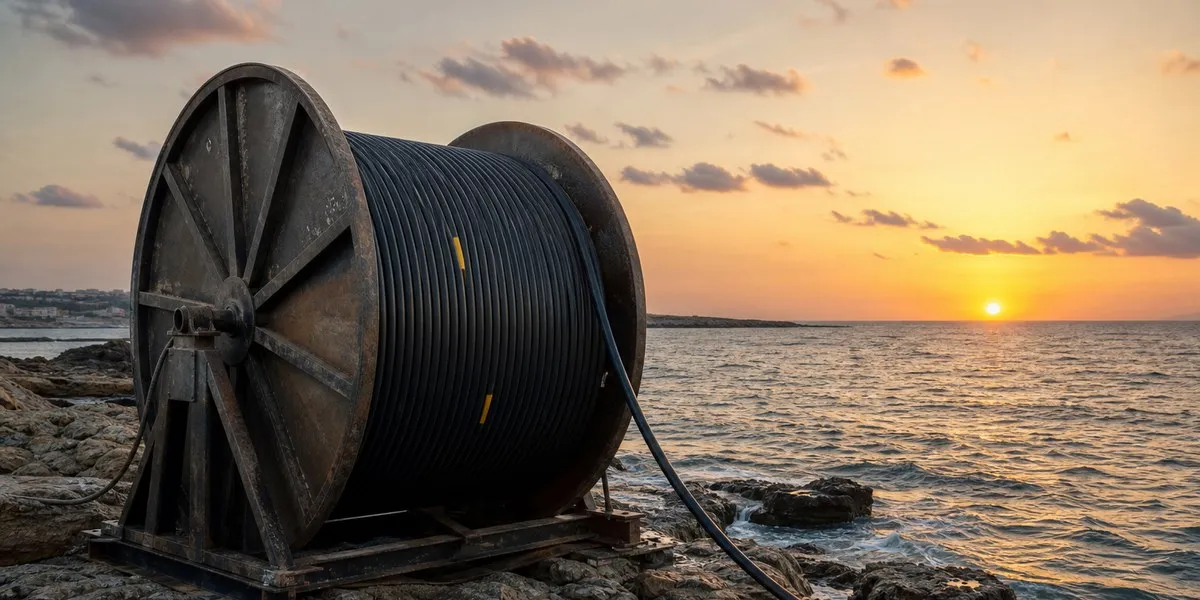
The Cypriot government will not pay for the construction of the Great Sea Interconnector (GSI) if the island does not receive electricity through this cable, Energy Minister Michael Damianos said. As Cyprus Mail reports, funding from Nicosia depends on the actual progress of work on the project.
Damianos made the statement after presenting his ministry’s budget for next year to the parliamentary finance committee. According to him, the Greek Independent Power Transmission Operator ADMIE reported project expenditure of €302 million. This is higher than the €250 million reported in August last year by Damianos’ predecessor, Georgios Papanastasiou.
Verified expenditure and deferred payment
According to the minister, the Cyprus Energy Regulatory Authority (CERA) has verified expenditure of only €82 million, the same amount as nearly 15 months ago. Thus, the regulator has not verified the expenditure reported by ADMIE after August last year: the operator had declared an additional €52 million.
Cyprus had previously committed to pay ADMIE €25 million annually in 2025–2029 to ensure the operator’s financial viability. The first payment, scheduled for 2025, was deferred because work did not progress that year, the minister explained. He stressed that the commitment applies to a project that is being carried out, rather than one that remains at a standstill.
More current news is available on the UA.News Telegram channel Telegram.
According to Damianos, Cypriot consumers will begin paying their share of the costs only after construction is completed and electricity supplies from Greece begin. This share of the costs is planned to be paid over 30 years. If construction costs rise, additional funds may be raised from investors, funds, or through financing from the European Investment Bank.
Cable route and Turkey’s position
The project is intended to connect the power grids of Cyprus, Greece, and Israel. Damianos called it important for electricity supply and for geopolitical reasons, while acknowledging the risks associated with laying the cable between Cyprus and Crete.
The minister said that Turkey is likely to react to the work, as part of the planned route passes through waters it claims. Turkey is not a party to the UN Convention on the Law of the Sea, which Cyprus and Greece cite in the dispute over maritime zones between Cyprus and Crete.
Damianos also said that Cyprus does not have equipment to protect vessels in its exclusive economic zone, while Greece, the French government, and French interests linked to the project play a role in this matter. According to him, if the project moves forward, its full completion is expected by 2031.




