
XRG considers buying up to 50% of Energos — OilPrice
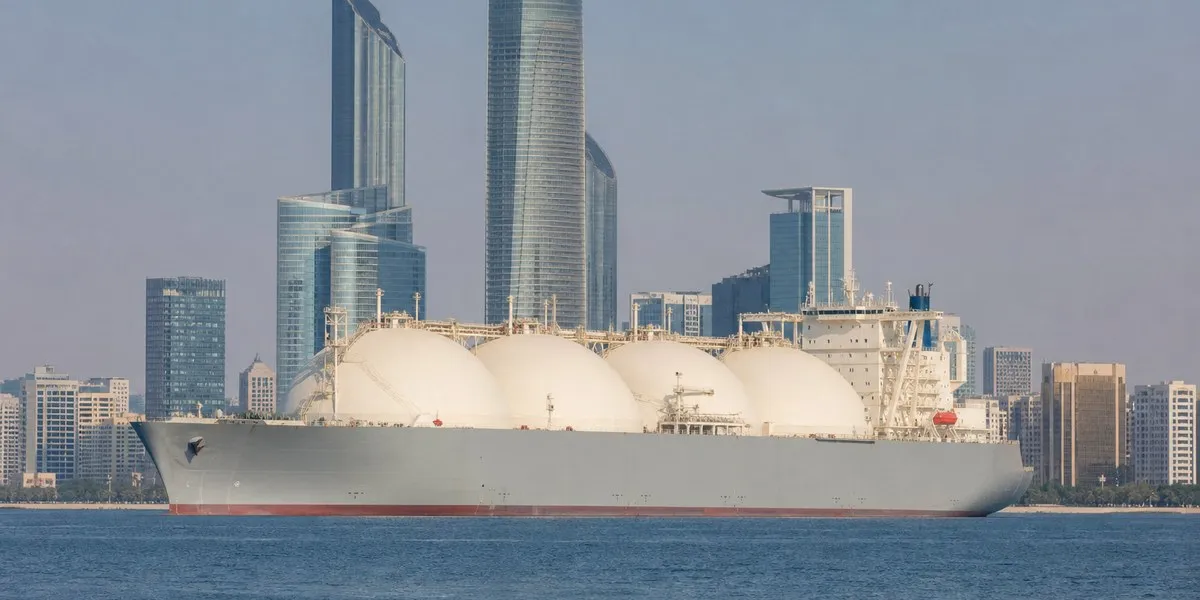
In the United Arab Emirates, ADNOC’s investment unit, XRG, is reportedly considering the acquisition of up to 50% of Energos Infrastructure, an operator of floating LNG assets. The company is valued at approximately $3 billion. At the same time, the potential deal has not been officially confirmed by XRG, Apollo Global Management, or Energos.
As OilPrice reports, Apollo Global Management is exploring options for a full or partial sale of Energos. The company operates 13 floating LNG assets, including floating storage and regasification units (FSRUs) and LNG tankers. They operate under long-term agreements in Brazil, Egypt, Indonesia, Mexico, and the Netherlands.
Floating LNG infrastructure
FSRUs can turn a coastal facility into a liquefied natural gas import point faster than the construction of a large onshore terminal. A potential acquisition of a stake in Energos could complement XRG’s LNG portfolio, which already includes stakes in the Rio Grande LNG project in Texas, Vaca Muerta gas assets in Argentina, and LNG assets in Mozambique.
More current news is available on the UA.News Telegram channel Telegram.
XRG aims to build a global portfolio of gas and LNG assets with capacity of around 25 million tonnes per year by 2035. If the deal is concluded, the company could gain access to floating assets for receiving, regasifying, and transporting LNG.
VLCC orders
At the same time, shipowners are increasing orders for very large crude carriers, or VLCCs, each of which can transport around 2 million barrels of oil. According to Signal Group, 217 VLCCs were ordered in 2026, compared with 93 in 2025. Allied Shipbroking cites different figures: 164 orders versus 83 a year earlier.
The total value of new VLCC orders is estimated at more than $20 billion. According to BIMCO, the oil tanker order book reached approximately 130 million deadweight tonnes, or around 27% of the current fleet, while deliveries of new vessels will continue until 2030. OilPrice links demand for large tankers to longer oil transportation routes and shipping risks near the Strait of Hormuz and in the Red Sea.


