
CDC declined to validate high-throughput measles test in US — The Guardian
The US Centers for Disease Control and Prevention (CDC) declined to validate a new high-throughput measles test, citing “other competing priorities.” California and Washington state made the request in May, and later health officials from California, Hawaii, Oregon and Washington state asked CDC Director Erica Schwartz to reconsider the decision, The Guardian reports.
Request from state officials
In a letter, representatives of the West Coast Health Alliance urged the CDC to validate a rapid test capable of processing a large number of samples simultaneously so that laboratories could prepare for large-scale measles outbreaks. The alliance also asked for testing protocols for other priority pathogens to be developed for responding to future outbreaks.
The US Department of Health and Human Services said that the CDC supports state and local health departments in strengthening measles detection and outbreak response. Agency spokesperson Emily Hilliard added that the agency prioritizes cutting-edge technologies for responding to measles outbreaks. At the same time, she did not answer whether the CDC plans to validate the high-throughput test.
More current news is available on the UA.News Telegram channel Telegram.
Need for high throughput
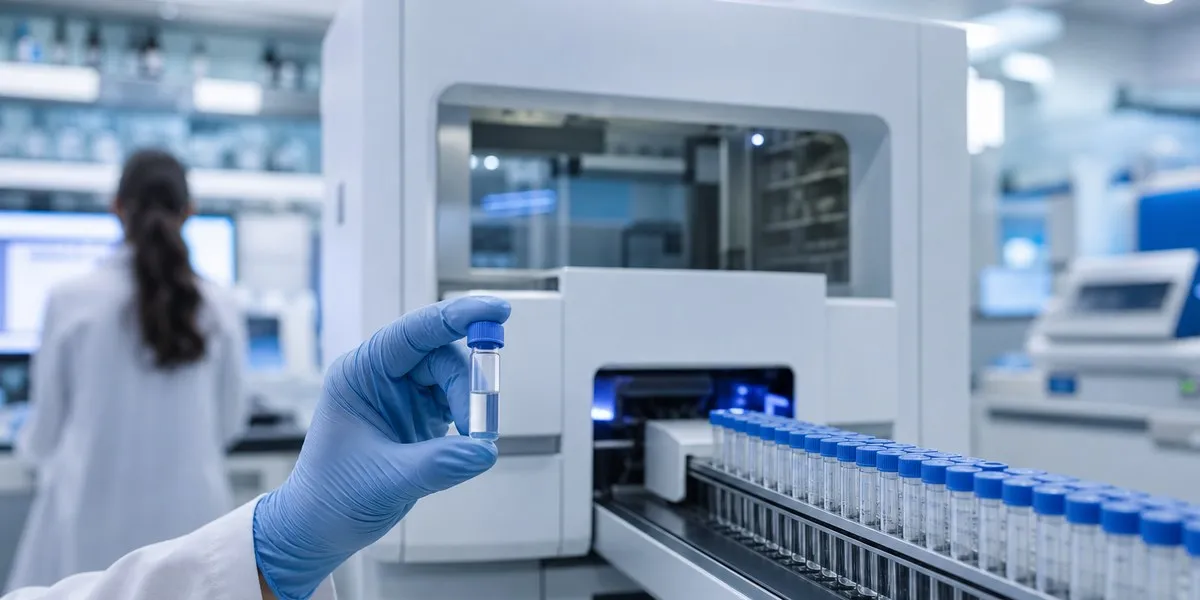
Laboratories currently use lower-throughput tests to diagnose measles, including individual PCR tests. During the COVID-19 pandemic, many public health laboratories acquired equipment for mass testing, including the Hologic Panther Fusion platform, which can process up to 500 tests in eight hours. However, the CDC has still not validated a high-throughput test specifically for detecting measles.
Texas state laboratories developed such a test during a measles outbreak in the western part of the state last year, but did not publish the protocol. Nonprofit reference laboratory ARUP Laboratories published its method in December in the Journal of Clinical Microbiology. According to ARUP's medical director of virology, Benjamin Bradley, automated systems give laboratories greater flexibility and help them respond more quickly to the rapid spread of infection.
Alliance officials noted that without the ability to conduct mass testing during a major outbreak, it will be more difficult to scale up diagnostics appropriately, affecting patient care and epidemiological investigations. The letter says that the CDC has already conducted studies of the tests from Texas and ARUP, but they were not a full validation or a comprehensive comparison of methods.




