
Oncologist Dennis Slamon receives the 2026 Albany Prize — News-Medical
In the United States, oncologist and researcher at the UCLA Health Jonsson Comprehensive Cancer Center Dennis Slamon became a recipient of the 2026 Albany Prize for discoveries that changed the understanding of cancer biology and approaches to its treatment. He shared the award with Tony Hunter of the Salk Institute for Biological Studies, News-Medical reports.
The Albany Prize is awarded to scientists whose fundamental research has been translated into medical advances that improve patients' lives. The prize includes an award of $500,000.
Research into HER2-positive cancer
Slamon is best known for research that helped identify HER2-positive breast cancer and develop Herceptin, the first targeted treatment for this type of disease. His team found that approximately 20% of breast tumors contained multiple copies of the HER2 gene, which is involved in regulating cell growth.
Patients whose tumors had this alteration more often experienced a more aggressive course of the disease and worse outcomes. Researchers also showed that HER2 is not only a marker of aggressive cancer but also contributes to tumor growth, and therefore can be a target for therapy.
More current news is available on the UA.News Telegram channel Telegram.
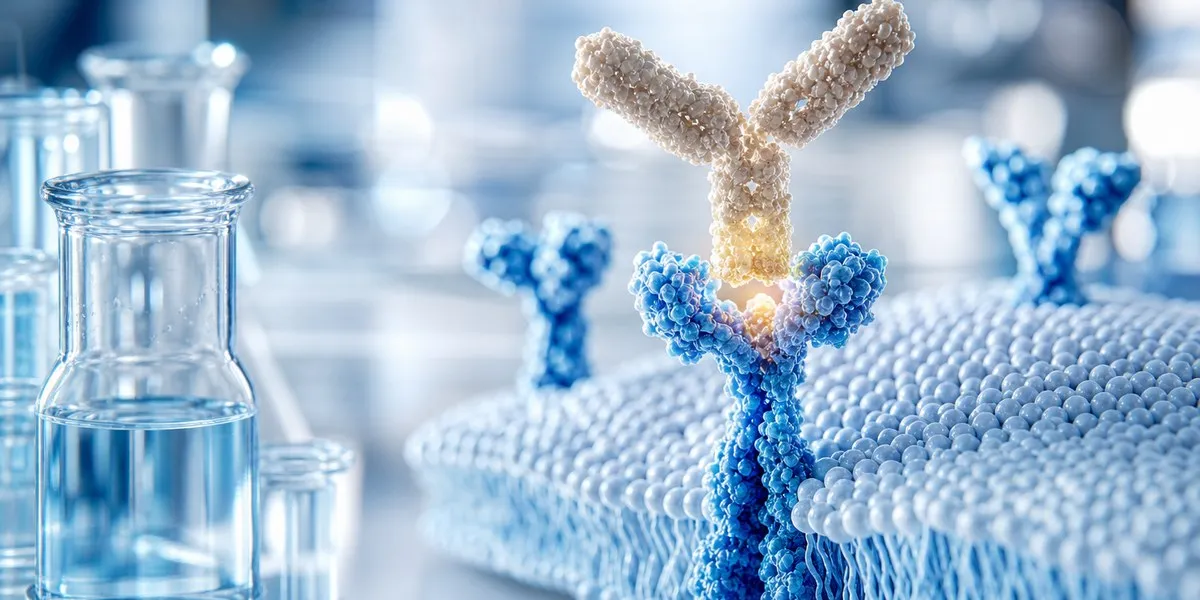
Together with scientists from Genentech, Slamon's team began clinical trials of antibodies directed at the HER2 protein on the surface of cancer cells. Slamon led the first clinical trials of Herceptin involving people at UCLA.
Impact on cancer treatment
Subsequent randomized trials showed that adding Herceptin to standard treatment significantly improved outcomes for patients with HER2-positive breast cancer. The U.S. Food and Drug Administration approved the drug in 1998. According to UCLA, approximately 3.5 million women worldwide have received Herceptin for breast cancer treatment.
Later, Slamon and his colleagues contributed to research on CDK4/6 inhibitors, including palbociclib and ribociclib, for the treatment of hormone receptor-positive breast cancer. This subtype accounts for approximately 65–70% of cases worldwide. Today, drugs in this class are part of the standard treatment for ER-positive breast cancer.




