
In Australia, screening detected lung cancer without symptoms
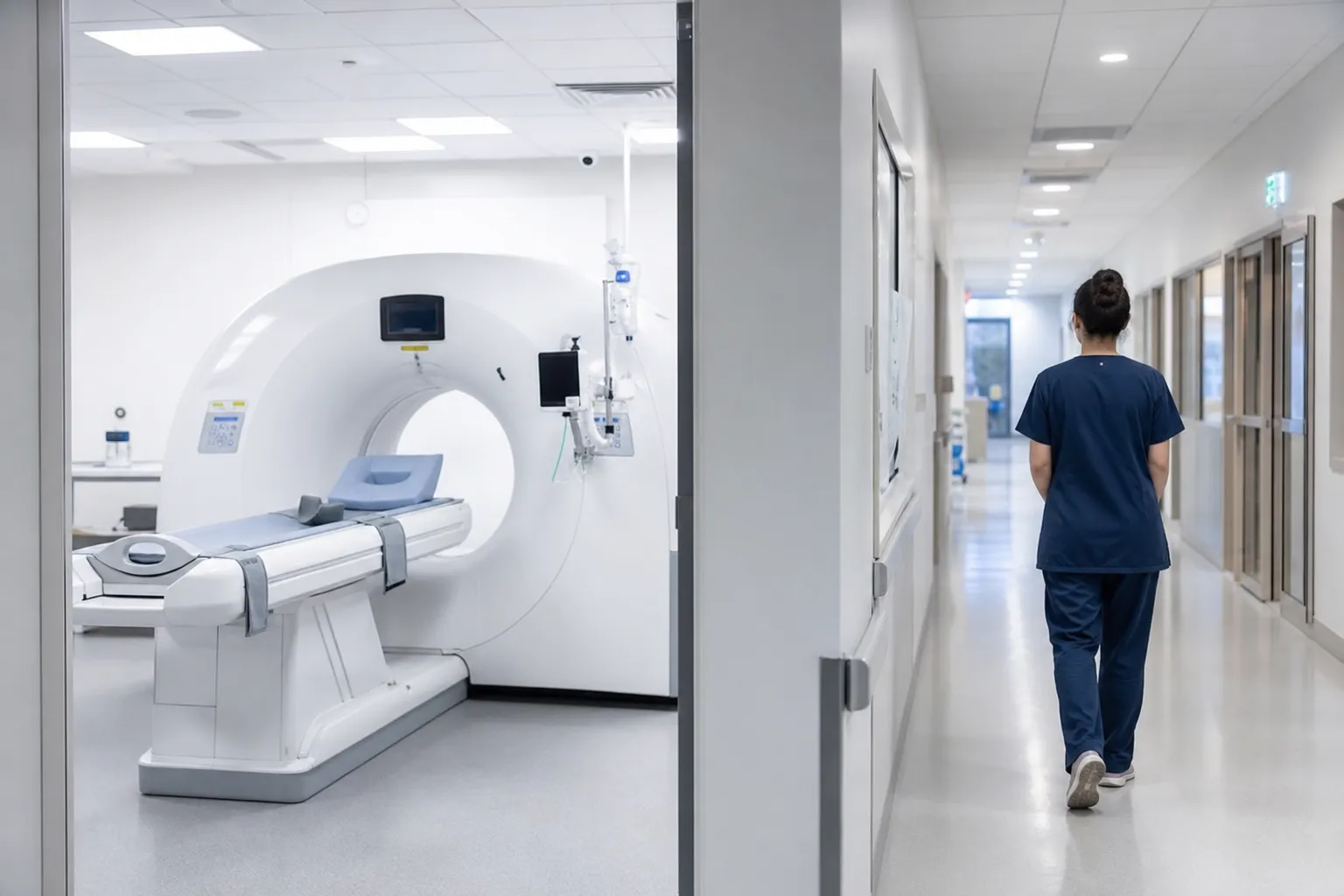
In Australia, a free lung cancer screening program detected a 1.6 cm tumor in the right lung of 57-year-old Susie Scott, although she had no symptoms. A low-dose CT scan identified the neoplasm, and about four weeks later the tumor was removed at The Prince Charles Hospital in northern Brisbane. After four days in hospital and six weeks away from work, she did not require further treatment, ABC News Australia reports.
Scott's mother died of lung cancer at the age of 49, when her daughter was nine. At the time of her diagnosis in the 1970s, the disease had already spread beyond the lungs. Remembering the loss of her mother, Scott contacted her general practitioner to join the screening program.
Eligibility requirements for the program
Australia's National Lung Cancer Screening Program began operating in July last year. Since then, more than 117,000 people have undergone low-dose CT scans, and lung cancer has been detected in nearly 400 participants.
The program is intended for Australians aged 50 to 70 with a significant smoking history — equivalent to one pack of cigarettes a day for 30 years. Participants must also have no signs or symptoms that may indicate lung cancer. An estimated more than 900,000 residents of the country are eligible for screening, but a much smaller number of people used the program in its first year.
More current news is available on the UA.News Telegram channel Telegram.
Proposals to expand screening
Mark Brooke, chief executive of Lung Foundation Australia, called for increased investment so that general practitioners would refer patients for examinations more actively. He also proposed considering expanding the program's age limits and including people with a family history of lung cancer and workers in high-risk occupations, including stonemasons, miners, construction workers, firefighters, and agricultural workers.
Professor Fraser Brims, a respiratory specialist at Curtin University, called the implementation of the program successful but drew attention to unequal access to treatment after diagnosis in different regions. He also advocated integrating smoking cessation support into screening and increasing the number of specialist nurses for lung cancer patients.
Scott started smoking at 14 and smoked for nearly 40 years. Five years ago, she gave up cigarettes but later began using a nicotine vape. After the surgery, she stopped vaping.




