
In Lviv, a seven-month-old boy with biliary atresia underwent his first liver transplant
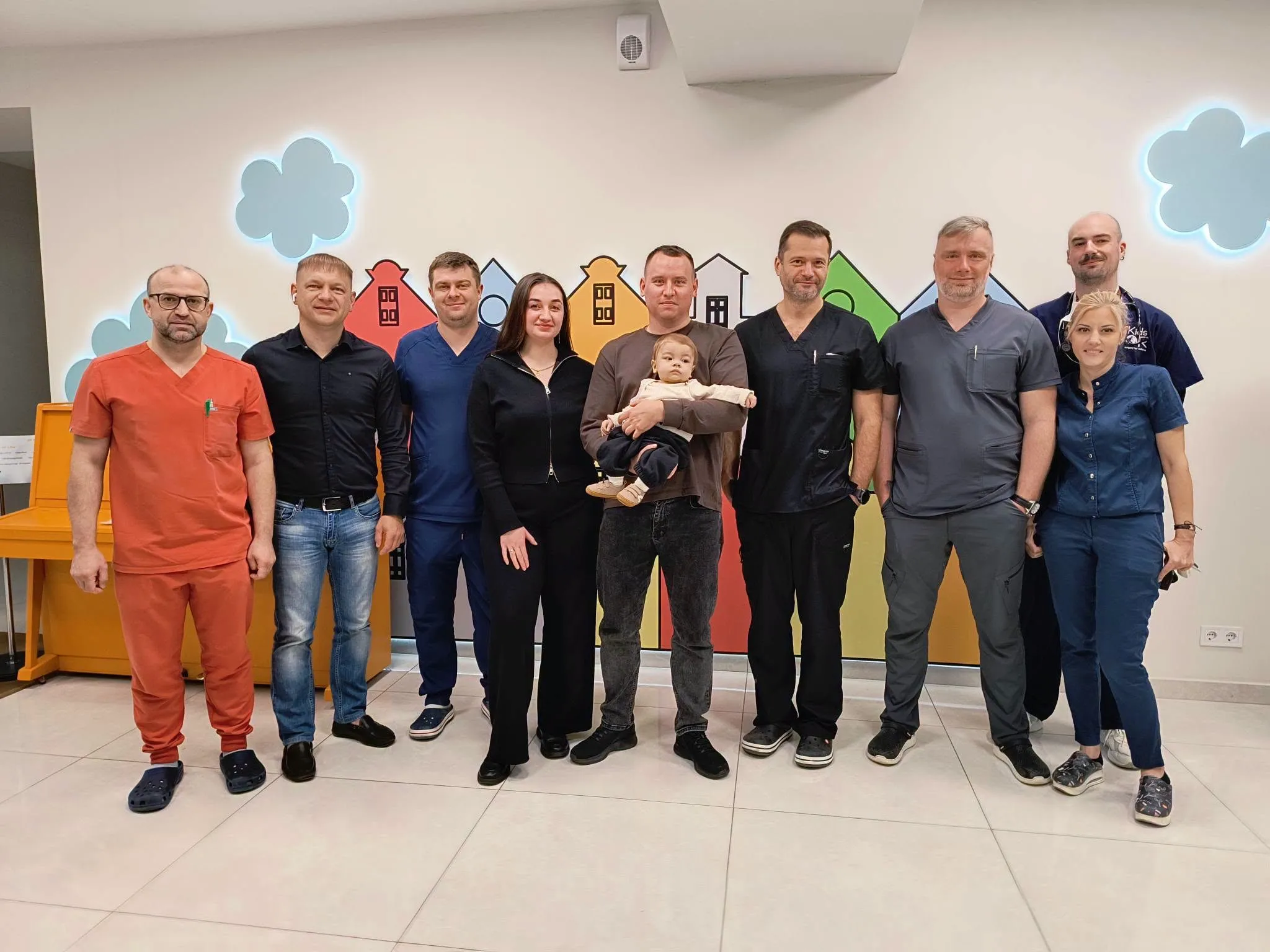
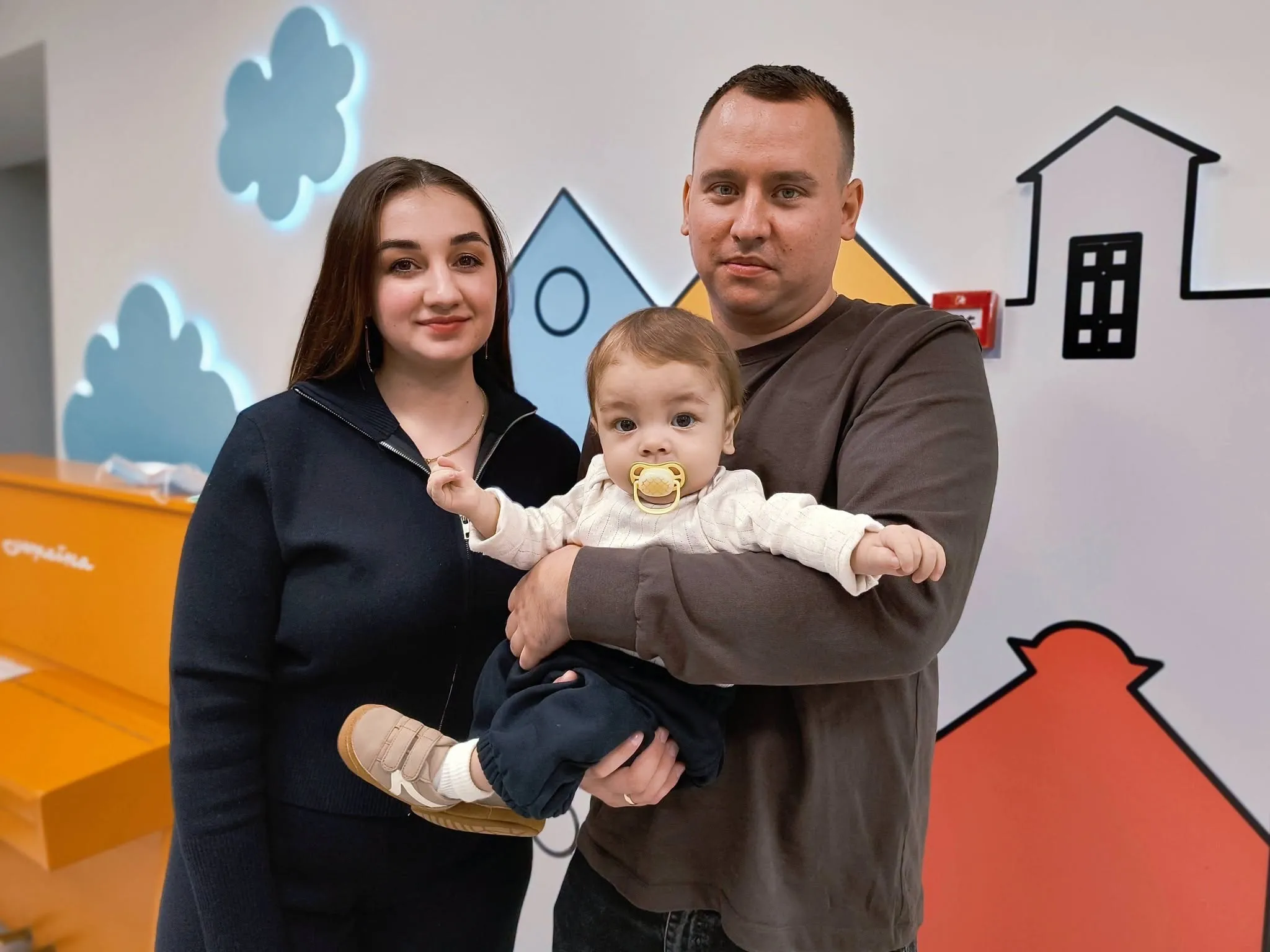
In Lviv, the St. Nicholas Children’s Hospital performed its first-ever liver transplant on a seven-month-old baby. The operation lasted about 12 hours, and little David from Ivano-Frankivsk Oblast received a portion of his father’s liver.
David Matrofail’s health problems began when he was three months old. His parents consulted a pediatrician after he developed mild jaundice. Local and regional doctors suspected a more serious condition and referred the family to Lviv, where the boy was diagnosed with biliary atresia.
This is a congenital, progressive disease in which the bile ducts become blocked, disrupting the flow of bile from the liver to the intestines. Without a liver transplant, children with this condition usually do not survive past one and a half years of age.
David’s father, Roman, could have been a donor, as he met the medical criteria for the surgery. However, the doctors first had to prepare the child for the transplant and help him gain the necessary weight.
“Reaching the target weight of 10 kg with biliary atresia is extremely difficult. Infants are fitted with a feeding tube because they need to eat more than they are physically capable of. Due to cirrhosis, the liver stops producing protein, so we tried to provide as many nutrients as possible to keep it functioning. Against this backdrop, typical complications of cirrhosis developed: ascites, high bilirubin, and portal hypertension,” explained Dmytro Hrytsak, a pediatric transplant surgeon at St. Nicholas Hospital.
For over three months, doctors tried to improve the boy’s condition and increase his weight, but they were unable to achieve the desired result. Before the surgery, David weighed 9.5 kg; however, a significant portion of this weight consisted of fluid due to edema and ascites. The child’s actual weight, excluding excess fluid, was only 6.2 kg.
An additional complication was the diameter of the hepatic artery—only about 2 mm. Despite all the risks, it was impossible to postpone the transplant any longer.
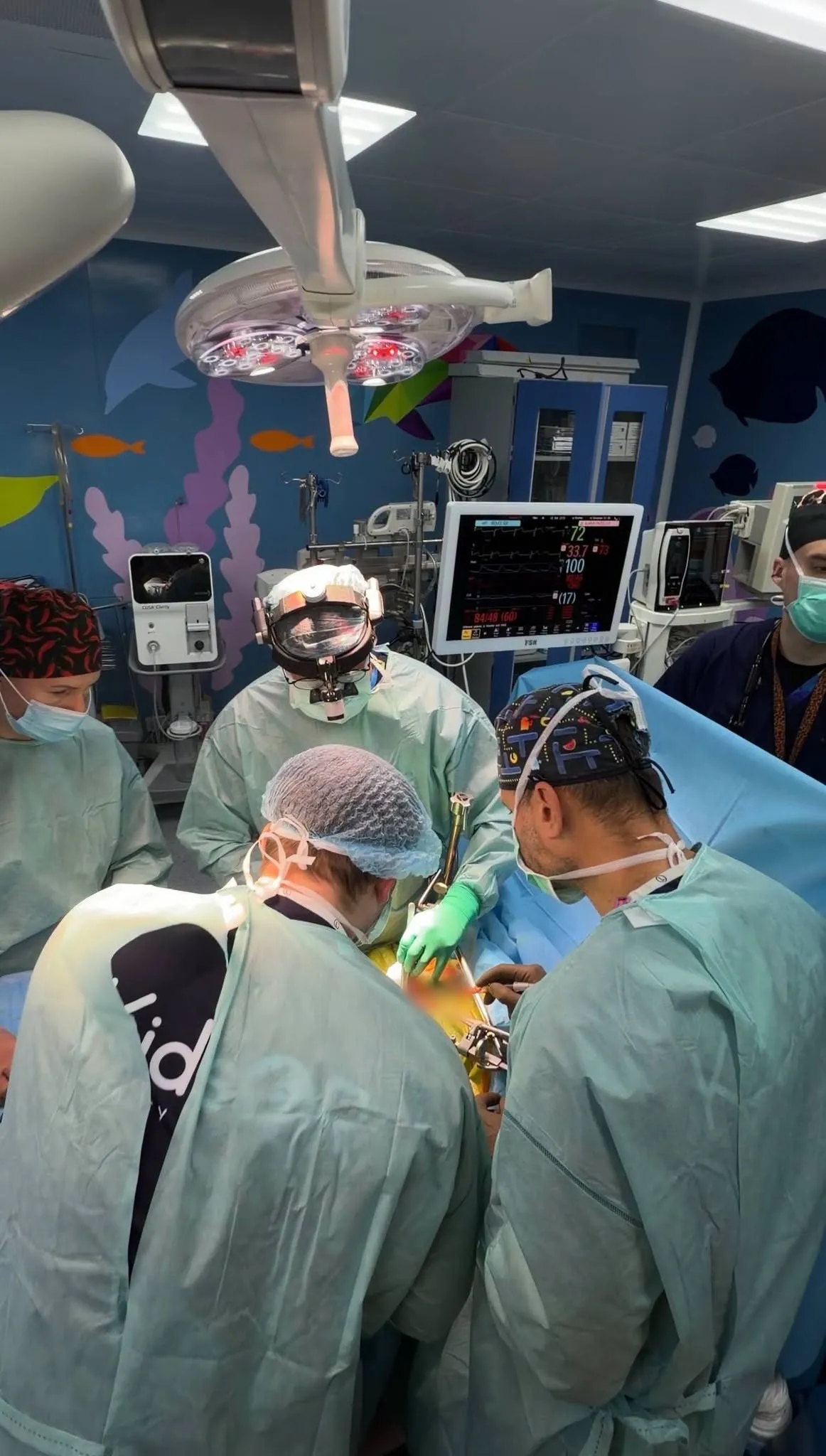
Specialists from St. Nicholas Children’s Hospital, the Transplantology Center in Lviv, and the O. O. Shalimov National Scientific Center for Surgery and Transplantology in Kyiv joined the surgical team. Specialists in Kyiv have extensive experience performing such procedures and collaborate with their colleagues in Lviv.
The surgery lasted about 12 hours. Surgeons, anesthesiologists, and operating room nurses worked together to transplant a portion of the father’s liver to his son. Despite the complexity of the procedure, the transplant was successful: the donor organ began functioning while still on the operating table and took root in the child’s body.
“We put our trust in the doctors. We believed that everything would turn out well—and that there was no other option but for our child to live,” David’s parents said.
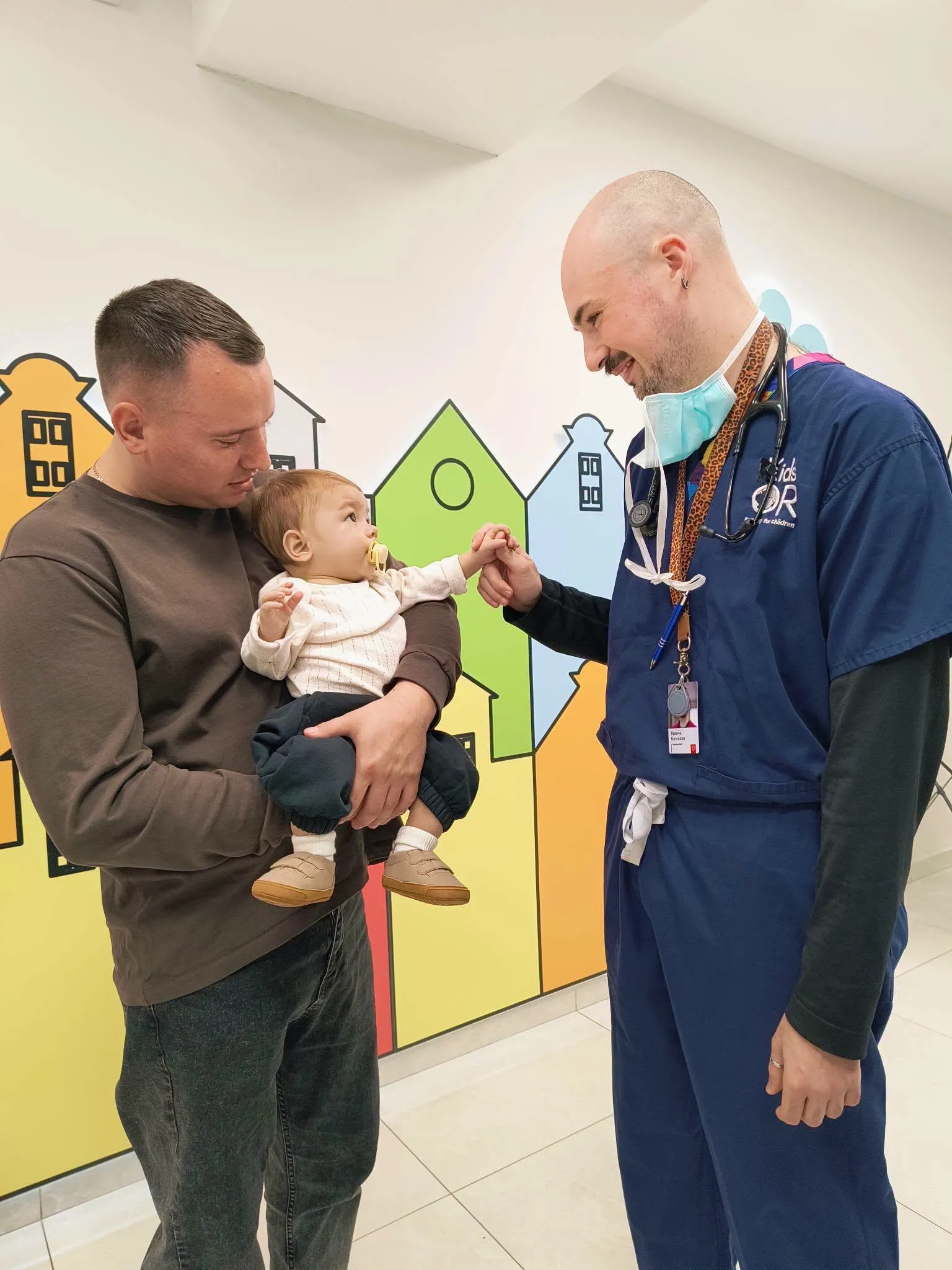
The boy is now eight months old. His condition is gradually improving: the jaundice in his skin and eyes is subsiding, he is becoming more active, eating well, and smiling at the doctors who helped save his life during his routine checkup.
Source: St. Nicholas Children’s Hospital
As a reminder, a patient with a rare intestinal tumor underwent surgery in Ivano-Frankivsk.
Doctors diagnosed a 35-year-old woman from Lviv with an extremely rare jaw disorder.
As a reminder, Ukraine will establish its first Center for Robotic Surgery.
In Lviv, doctors performed a rare combined surgical procedure. During a cesarean section, a 26-year-old woman simultaneously had a recurrent ventral hernia removed, which could have caused serious complications after childbirth.




