
In Israel, neuroscientist Jack Feldman explains the role of sighs in lung and brain function
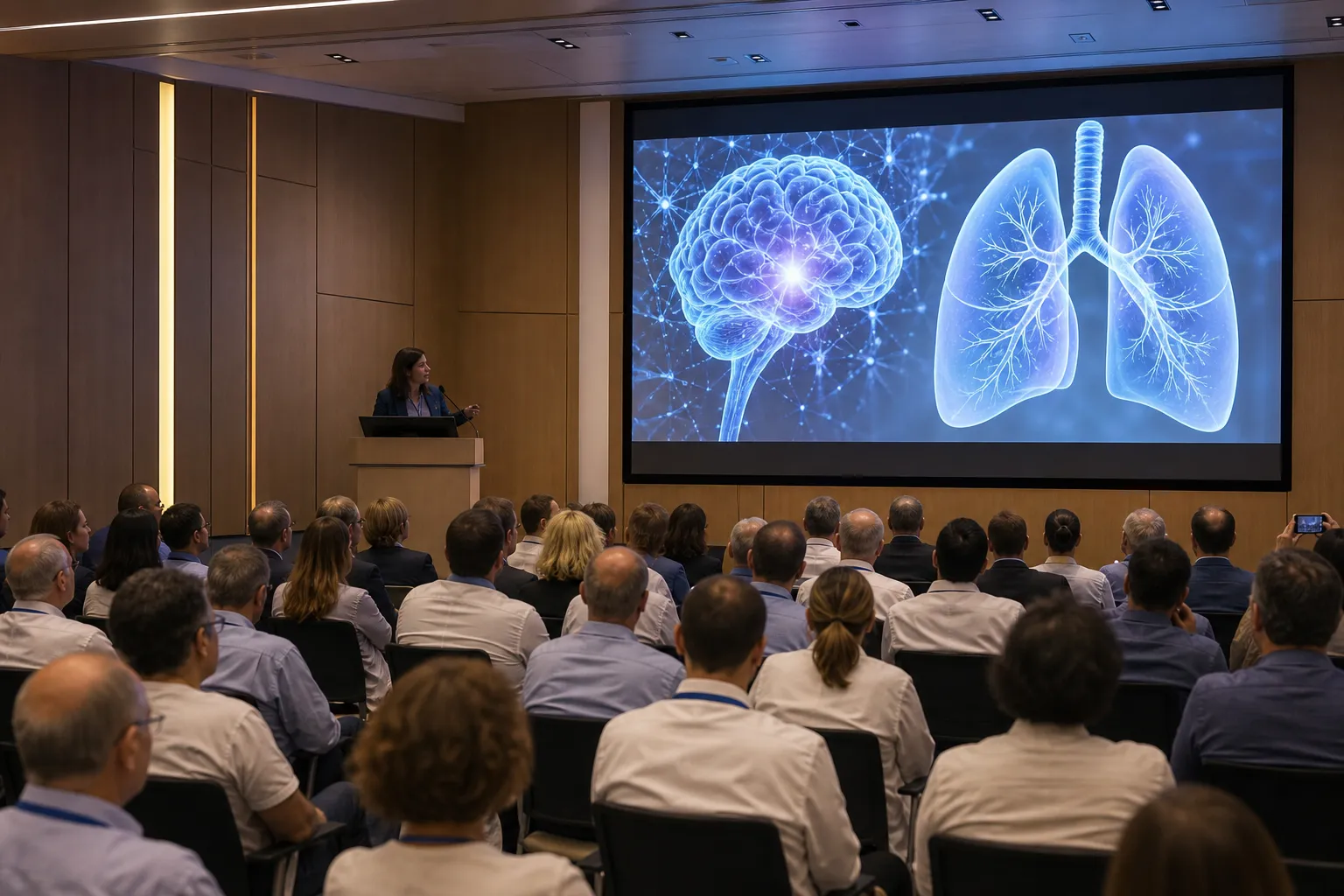
In Israel, Jack Feldman, a neuroscientist at the University of California, Los Angeles, spoke about the mechanisms through which breathing and involuntary sighs are connected to the functioning of the lungs and brain. At a conference of the Israel-Canada Medical Research Institute at the Hebrew University’s Faculty of Medicine, he said that a person involuntarily sighs on average about once every five minutes, the Jerusalem Post reports.
How the brain triggers sighs
According to Feldman, the pre-Bötzinger complex, which is associated with the generation of respiratory rhythm, is located in the brainstem. In this area, there are two small groups of neurons—about 200 neurons, according to him—that enable the transition from a normal breath to a sigh. They use the neuropeptides NMB and GRP, which signal the respiratory system to increase the volume of the next inhalation.
The scientist described a physiological sigh as two consecutive inhalations before a longer exhalation. This mechanism, he said, reinflates the alveoli—small air sacs in the lungs where oxygen and carbon dioxide are exchanged. This helps prevent alveolar collapse and maintain gas exchange.
More current news is available on the UA.News Telegram channel Telegram.
Animal experiments and breathing practices
Feldman noted that under stress, the frequency of sighs may increase due to the production of certain peptides by the hypothalamus. He also reported that adding a peptide caused rats to sigh 20 times more often.
In one experiment, mice were trained to breathe slowly for five minutes every day for 30 days. After that, researchers measured their fear response; according to Feldman, the animals trained in slow breathing showed a lower response and were calmer.
The scientist emphasized that he primarily studies animals and currently regards possible clinical conclusions for humans as assumptions. He studies the links between breathing, stress, anxiety, emotions, sleep and meditation, and suggests that slow controlled breathing may affect emotional state, attention, memory and decision-making.


