
Fortune columnist proposes requiring data centers to cover community costs
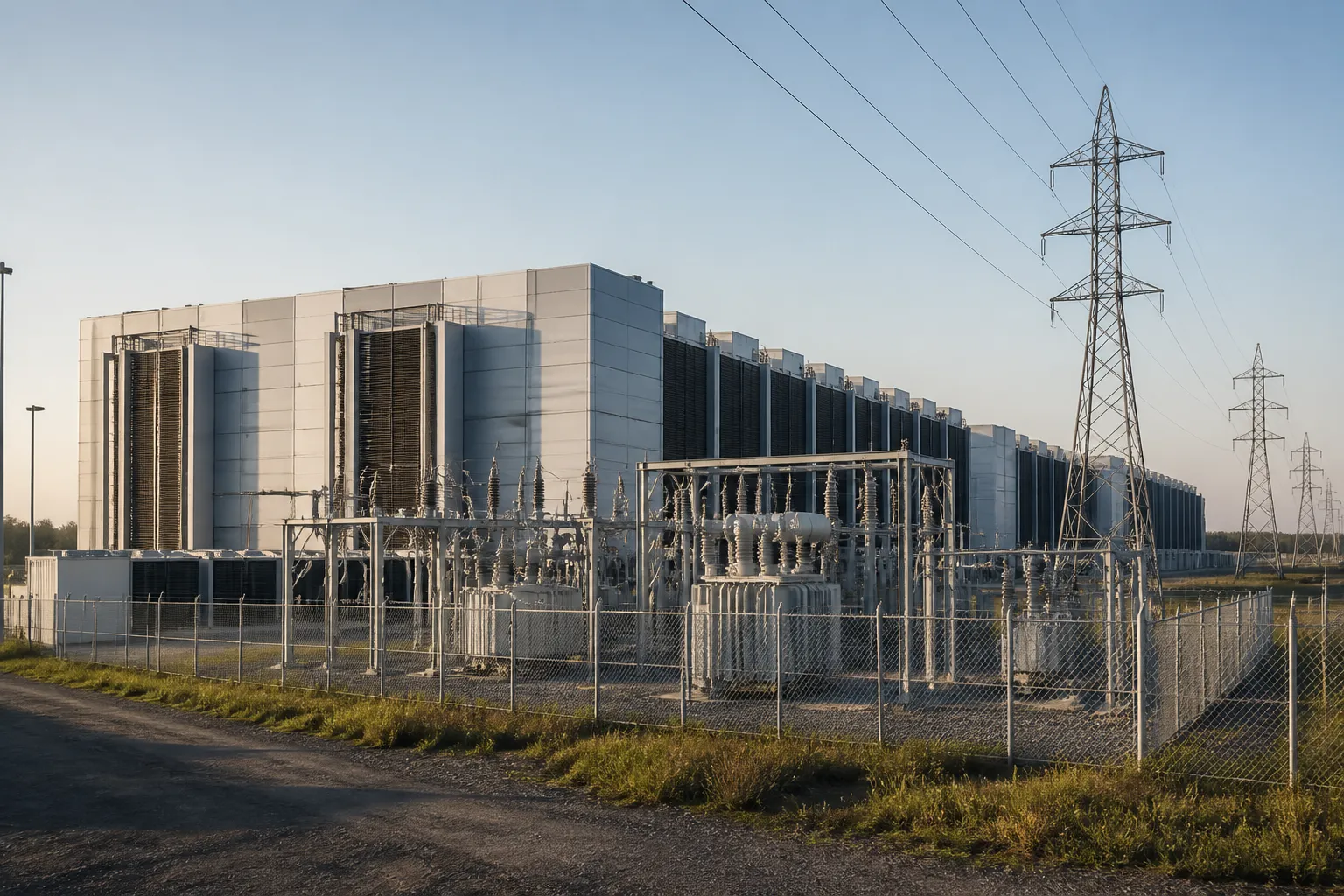
Opposition to the construction of data centers for artificial intelligence is intensifying in the United States. Companies that build and use such facilities should bear the costs their projects create for local communities, believes Mark Drapeau, founder of Veleonis and editor-in-chief of the Data Catalyst Institute. He outlined this position in a column for Fortune.
According to Drapeau, candidates from both parties are distancing themselves from data center projects in states from Ohio to Wyoming. In Pennsylvania, Governor Josh Shapiro excluded AI data centers from the program for expedited review of major projects. He also introduced requirements for local approval, commitments regarding electricity, water and community benefits, and prohibited state agencies from entering into nondisclosure agreements that could conceal project terms.
Costs for communities
The columnist notes that residents fear rising electricity bills, infrastructure costs, lengthy construction and pressure on local water resources. Some data centers use evaporative cooling, which consumes water to remove heat from servers.
As stated in the column, Gallup found that 71% of Americans oppose locating an AI data center in their area. A Veleonis and co/efficient survey of 1,566 voters showed that three quarters of respondents either chose no company or were undecided about which company could be trusted to operate such a facility responsibly. Half of those surveyed named the impact on electricity, water or the environment among the information they would like to receive about a local project.
More current news is available on the UA.News Telegram channel Telegram.
Conditions for expedited review
According to data cited by Drapeau, at least 4,000 data centers are operating in the United States, with another approximately 3,000 planned or under construction. Lawrence Berkeley National Laboratory estimates that by 2030, data centers could consume from 9.5% to 15.3% of U.S. electricity, compared with about 4.7% in 2024.
Drapeau proposes a reciprocal agreement between operators and states. In his view, operators should finance new substations and grid connections, pay for reserved capacity, add sufficient regional generation capacity to cover their demand, and pay compensation if a project is abandoned.
Before a facility is approved, companies should disclose clear data on water and electricity consumption, cooling method, energy source, tax incentives, the number of permanent jobs, and contributions to roads, emergency services and worker training, the author believes. In return, states should guarantee stable tax and permitting conditions, as well as coordinated project review with clear requirements and deadlines.




