
Prices for certain food items have risen in Ukraine over the past three days: a list has been released
From October 12 to 15, 2026, prices for a number of food items rose in Ukraine, including tomatoes, chicken, bananas, grains, and vegetable oil. According to UNN, the cost of a seven-item grocery basket rose by 1.94% during this period.
In Ukrainian supermarkets, average prices for a number of popular products rose between October 12 and 15, 2026. The most significant price increases were seen for cherry tomatoes, chicken, and bananas. The price increases also affected grains and sunflower oil. Although in most cases prices changed by only a few hryvnias, even such short-term fluctuations gradually increase Ukrainian families’ expenses on daily purchases.
UNN examined which foods Ukrainians are already having to pay more for, how the cost of a typical grocery basket has changed, and what factors may influence supermarket prices.
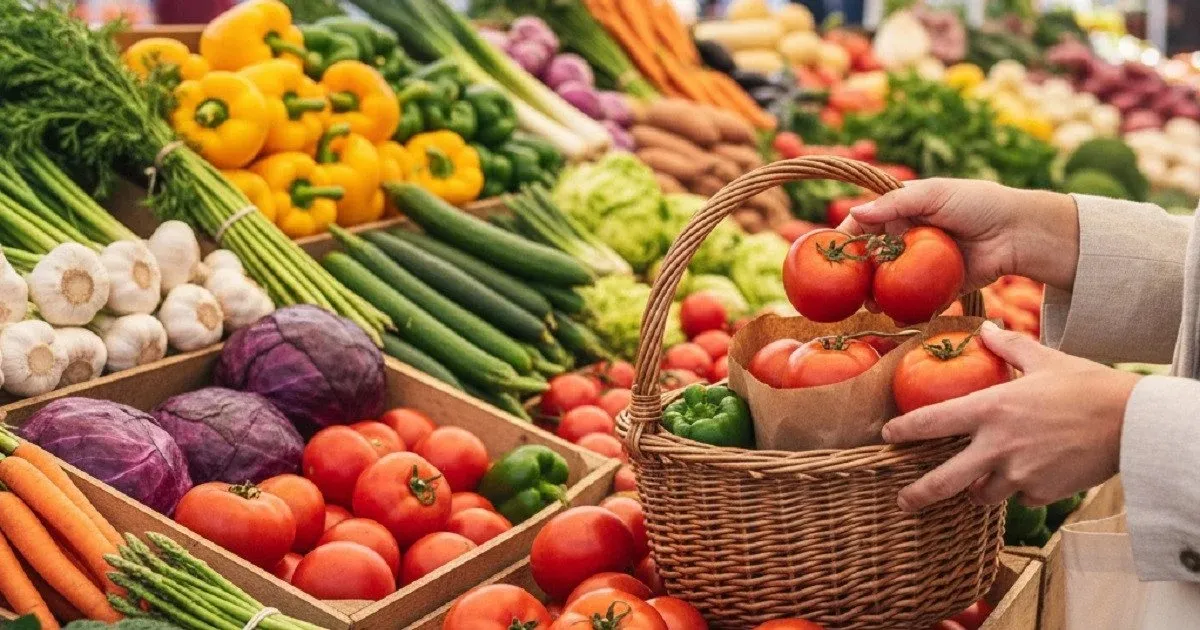
The price of pink tomatoes rose the most over the course of three days. While on October 12, a kilogram cost an average of 112.33 UAH, by October 15 the price had risen to 115.67 UAH. Thus, the vegetable became 3.34 UAH more expensive, or 2.97%.
A similar trend is observed in the “cream” tomato segment. Their average price increased from 99.33 to 100.79 UAH per kilogram. The increase amounted to 1.46 UAH, or 1.47%.
Both types of tomatoes have already surpassed the 100 UAH per kilogram mark. At the same time, pink tomatoes remain nearly 15 UAH more expensive than “Slyvka.”
One possible reason for the price increase is a seasonal decline in supply. In the fall, the amount of open-field-grown vegetables on the Ukrainian market gradually decreases. Conversely, the share of greenhouse-grown produce increases, and its cost depends on expenses for heating, electricity, and maintaining the necessary growing conditions.
In early October, EastFruit analysts also reported a decline in tomato supply at trading venues and an increase in wholesale prices. This could have set the stage for further price increases for vegetables in retail chains.
At the same time, retail prices depend not only on the cost of produce from growers. They are also influenced by logistics costs, retail markups, and the promotional policies of specific supermarkets. Therefore, a rise in the average price over three days does not mean that tomato prices have increased equally in all stores across the country.
Among meat products, whole chickens saw a noticeable price increase. The average price per kilogram rose from 114.25 UAH on October 12 to 117.50 UAH on October 15. The difference was 3.25 UAH, or 2.84%. In terms of absolute price increase, chicken was almost on par with pink tomatoes.
For shoppers buying a whole chicken weighing more than one kilogram, the actual increase in cost will be more noticeable. For example, a 2-kg chicken would have cost 235 UAH at the average price on October 15. Three days earlier, the same purchase would have cost 228.50 UAH.
Chicken prices may be influenced by producers’ costs for feed, electricity, veterinary services, transportation, and product storage.
Bananas ranked third in terms of the rate of price increase. Over three days, the average price per kilogram rose from 76.33 to 78.13 UAH. The fruit became 1.80 UAH more expensive, or 2.36%.
Unlike local seasonal vegetables, bananas are imported into Ukraine primarily from abroad. Therefore, their cost depends on import procurement conditions, international logistics, domestic transportation, and exchange rates. Changes in foreign exchange rates can affect purchase prices, as payments to suppliers are typically made in currencies other than the hryvnia.
The price increase also affected long-storage foods, which Ukrainians traditionally buy in bulk.
Among grains, the price of buckwheat has risen the most. The average price per kilogram increased from 82.57 to 84.10 UAH. The increase amounted to 1.53 UAH, or 1.85%.
For families who regularly buy this grain, even such a seemingly minor increase means additional expenses. Five kilograms of buckwheat, based on October 15 prices, would cost 420.50 UAH, compared to 412.85 UAH three days earlier.
The price of buckwheat can be influenced by harvest volumes, supply from processing plants, and the costs of storage and delivery to retail chains.
The price of long-grain parboiled rice changed slightly less. While a kilogram cost an average of 61.37 UAH on October 12, it cost 62.20 UAH on October 15.
Among the products analyzed, “Oleina” refined sunflower oil saw the smallest price increase. An 850-ml bottle cost an average of 107.20 UAH on October 12 and 107.67 UAH on October 15. The increase amounted to 47 kopecks, or 0.44%.
Such a fluctuation does not yet provide grounds to speak of a significant increase in the price of sunflower oil in general. To assess the market situation, it is necessary to consider price trends over a longer period and the prices of products from other manufacturers.
Grocery prices are also influenced by supermarket promotional policies. The end of temporary discounts or changes in product assortment can affect the average cost of goods even without an increase in manufacturers’ selling prices.
To assess the impact of price changes on daily expenses, one can compare the cost of a hypothetical seven-item grocery basket.
It includes one kilogram each of red tomatoes, “Slyvka” tomatoes, chicken, bananas, buckwheat, and rice, as well as one 850-ml bottle of sunflower oil.
On October 12, the total cost of this basket was 653.38 UAH. By October 15, the same basket of goods would have cost 666.06 UAH. Thus, over three days, the hypothetical grocery basket rose in price by 12.68 UAH, or approximately 1.94%.
Cherry tomatoes and chicken had the greatest impact on the increase in total costs. Together, these two items added 6.59 UAH to the basket’s cost, accounting for more than half of the total increase.
The price increases for certain products between October 12 and 15 indicate a short-term rise in prices for some everyday goods. However, it is incorrect to draw conclusions about a general acceleration of food inflation based solely on seven items. For a comprehensive assessment of the situation, it is necessary to consider a broader range of products, price changes over several weeks or months, as well as official data from state statistics agencies.
In the near future, the cost of vegetables may be affected by a seasonal decline in the supply of open-field produce. For imported fruits, purchase prices and logistics will remain key factors, while for meat and grains, production costs and the balance of supply and demand will be crucial.
Potential power outages remain an additional risk for the food market. Refrigeration equipment, warehouses, processing plants, and retail chains depend on stable access to electricity, so power supply issues could increase the costs of storing and selling food products.
Source: UNN
As a reminder, berry prices are rising in Ukraine due to a European shortage.
Fluctuations in the dollar exchange rate could affect the prices of a number of products in Ukrainian stores. Goods that Ukraine imports or produces from foreign raw materials are most at risk of becoming more expensive.
Ukraine has seen a rise in wholesale prices for domestically grown tomatoes. At the capital’s wholesale market, red, pink, and ground tomatoes have become more expensive. At the same time, prices in retail chains vary significantly depending on the type of product, region, and the availability of special promotional offers.




