
Decodo: nearly half of price changes in the US were reductions — Fortune
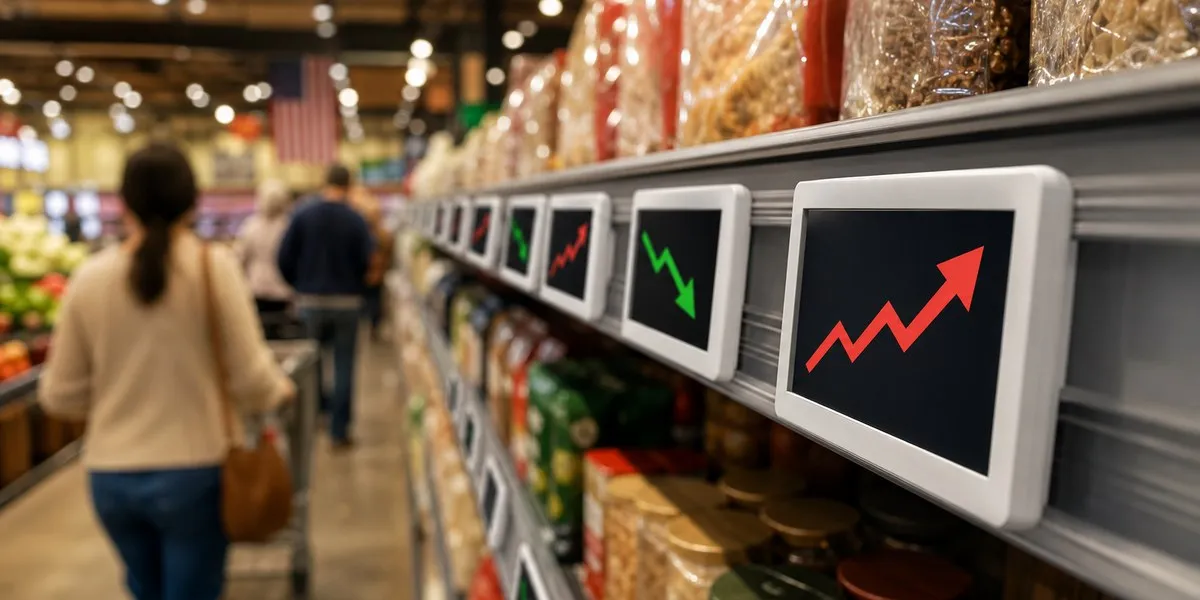
Web data company Decodo tracked price changes in the United States in 2025 and found that about half of those changes were reductions in the cost of goods. The monitoring covered, among other things, electronics, clothing, and home repair and improvement products, Fortune reports.
Dynamic pricing involves changing prices depending on market conditions, including supply and demand. This approach has long been used by airlines, which adjust ticket prices as the departure date approaches, as well as ride-hailing services such as Uber during periods of elevated demand.
Electronic shelf labels in stores
Electronic shelf labels are becoming more widespread at major US chains, including Walmart and Whole Foods. They make it possible to update product prices without replacing paper labels. At the same time, consumer advocates warn that such systems could potentially be used for sharp or personalized price adjustments.
According to Asa Farquhar of technology company Relex Solutions, retailers usually update electronic shelf labels on a regular schedule, often weekly, because shoppers value stability. Researchers who monitored prices at an unnamed grocery chain found virtually no sharp price increases during hours of high demand after such labels were introduced.
More current news is available on the UA.News Telegram channel Telegram.
Consumer data and algorithms
Personalized pricing means offering different prices or discounts depending on location, income level, browsing history, and other data about a person or group of shoppers. In January 2025, a report by staff of the US Federal Trade Commission stated that intermediaries offering tools to tailor prices and promotions worked with at least 250 clients, including grocery and clothing retailers.
Lawmakers in the states of Maryland, New Jersey, and Connecticut recently introduced restrictions on using shoppers' personal data to determine prices. The Federal Trade Commission also proposed an enforcement policy under which failure to disclose the use of personal data to set individualized prices could violate consumer protection laws.
Algorithmic systems can recommend or automatically set prices. AI can help them analyze sales, competitors' prices, and other data to forecast demand and assess the effect of different prices on sales and profit. A Simon-Kucher survey of more than 2,200 executives in 28 countries showed that 41% of respondents used AI to gather market intelligence, including data on competitors' prices, while 28% used it for real-time price optimization.




