
US raises Mastercard and Citigroup access to China’s market with Beijing — CNBC
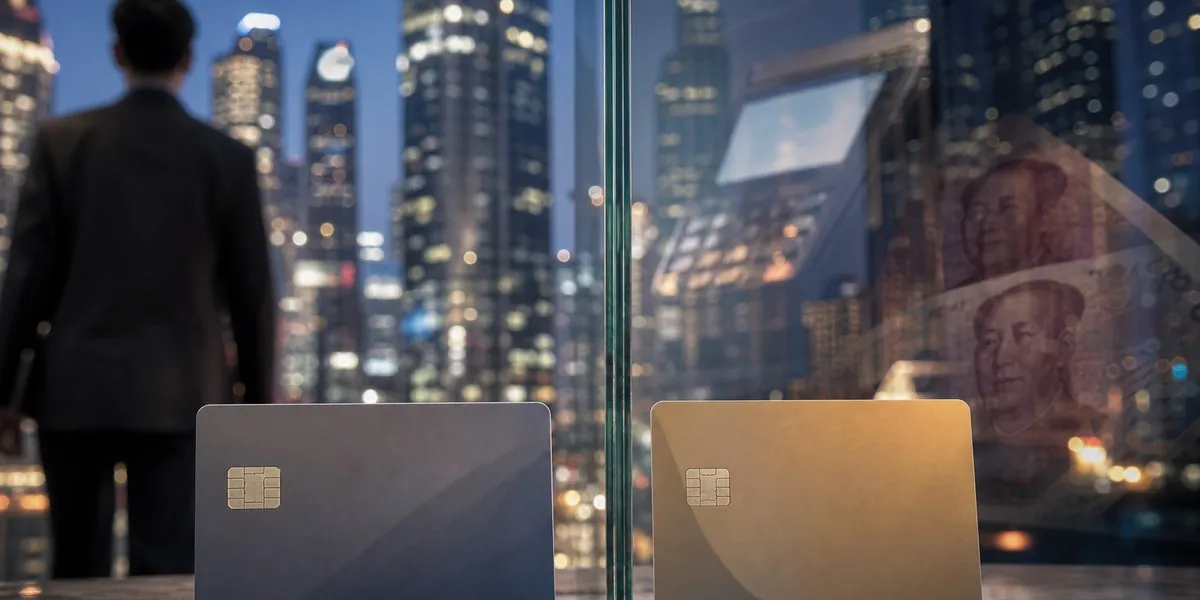
US representatives raised the issue of Mastercard’s and Citigroup’s access to the local financial market with China during bilateral meetings in Bangkok, Thailand, this week. CNBC reports, citing a US Treasury Department official who spoke on condition of anonymity.
Talks in Bangkok
The US delegation was led by Deputy Treasury Secretary Francis Brooke. According to CNBC’s source, it held at least two bilateral meetings with representatives of the People’s Bank of China and China’s Finance Ministry on the sidelines of meetings of the financial Group of Twenty and the annual meetings of the IMF and the World Bank.
The sides discussed access to the Chinese market for US companies, including Mastercard, Visa and Citigroup. The US official said regulatory approval was part of the agreements reached during US President Donald Trump’s September meeting with Chinese leader Xi Jinping in Washington. The meetings in Bangkok continued discussions on implementing those agreements.
Licenses for payment companies and a bank
On October 13, China allowed Visa to begin preparations to establish its own payment card clearing company in the country. The People’s Bank of China said Visa would have up to one year to prepare before applying for an operating license.
More current news is available on the UA.News Telegram channel Telegram.
Mastercard currently processes yuan-denominated card transactions through a joint venture with NetsUnion Clearing Corp., which began operations in 2024. According to CNBC’s source, the expected approval could allow the company to operate in China as an independent entity.
Citigroup, which has already hired several dozen employees for its Chinese unit, seeks a license for a wholly owned securities operations company. According to two informed CNBC sources, the bank wants to conduct A-share brokerage, underwriting, research and proprietary trading in China’s domestic market. The application was submitted in late 2021.
China has been gradually opening its financial sector to foreign companies since 2018, removing restrictions on foreign ownership in securities, futures and fund management. At the same time, the country maintains restrictions on cross-border capital flows, while state-owned local players dominate the payments sector.




