
Japanese 91-year-old swimmer breaks world records 29 times — The Japan Times
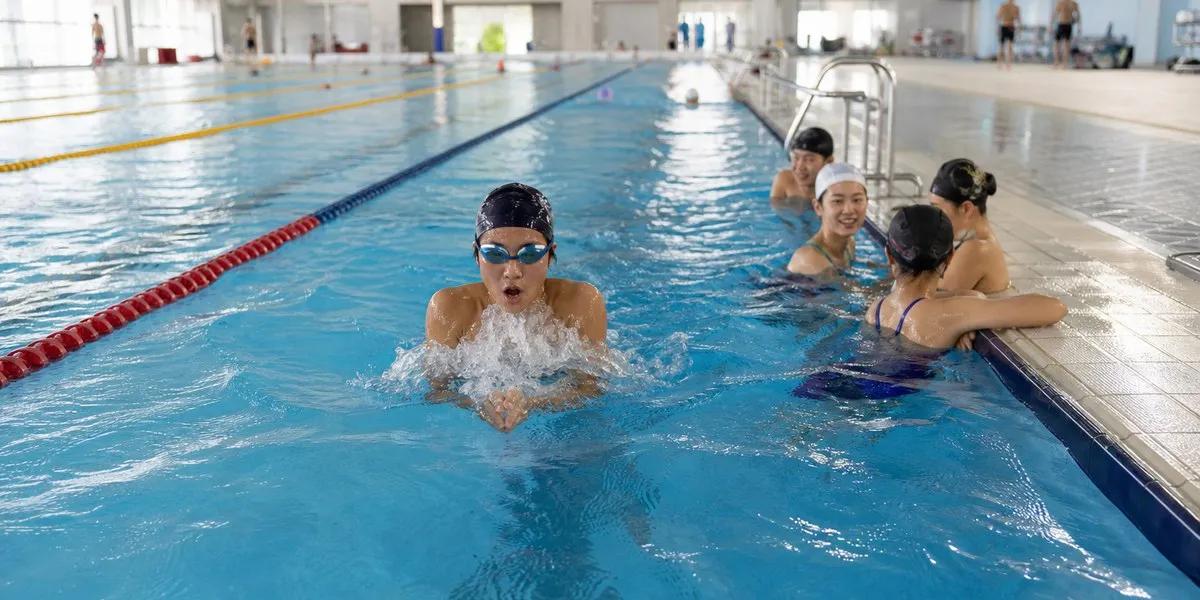
Shoko Yonezawa, a 91-year-old swimmer from Yokohama, Japan, broke world records 29 times in 2025 among women aged 90–94. The Japan Times reports on her sporting results and training.
In June 2025, at a competition in Niigata Prefecture, Yonezawa swam 200 metres breaststroke in a short-course pool in 4 minutes 32.36 seconds. This result was 13% better than the previous world record among masters swimmers. World Aquatics recognized her achievement, saying that the athlete demonstrates that aquatic sports can be a lifelong pursuit.
Yonezawa swam at school and returned to the sport at around the age of 50. She plans to continue competing and expects to break individual records after moving into the 95–99 age category.
Masters swimmers’ results
A 2023 study by U.S. researchers analyzed freestyle results of masters swimmers aged 40 to 90 in the United States between 1981 and 2021. The authors found that although swimming performance generally declines with age, results across all age groups improved by an average of about 0.5% annually over 40 years.
According to the study, women improved their results more than men: older female swimmers in 2021 posted results close to those of men in 1981.
More current news is available on the UA.News Telegram channel Telegram.
Satoshi Fujita, a professor of exercise physiology at Ritsumeikan University, noted that the physical condition of older people has improved. He also named a greater number of fitness clubs, sports communities and competitions for older athletes, as well as advances in sports equipment, as factors behind sporting success. The study mentions more effective hydrodynamic swimsuits and pools with less water turbulence.
Sport throughout life
The World Masters Games, established in 1985, have become one of the international platforms for middle-aged and older athletes. The first competition in Toronto brought together 8,305 participants from 61 countries in 22 sports. At the most recent games, the number of participants exceeded 20,000, and organizers of the next tournament in Japan’s Kansai region expect to attract 50,000 athletes.
Fujita noted that physical activity helps maintain muscle strength, endurance, immune function, balance and dynamic visual acuity. At the same time, he stressed the risk of injuries for elderly athletes and advised supplementing training with strength exercises.
Yonezawa underwent two operations for spinal stenosis, and her feet below the ankles are still numb, making walking difficult. Despite this, she continues training because, she says, swimming is easier for her than walking.


