
The analyst called for the introduction of a non-personalized chatbot system for children
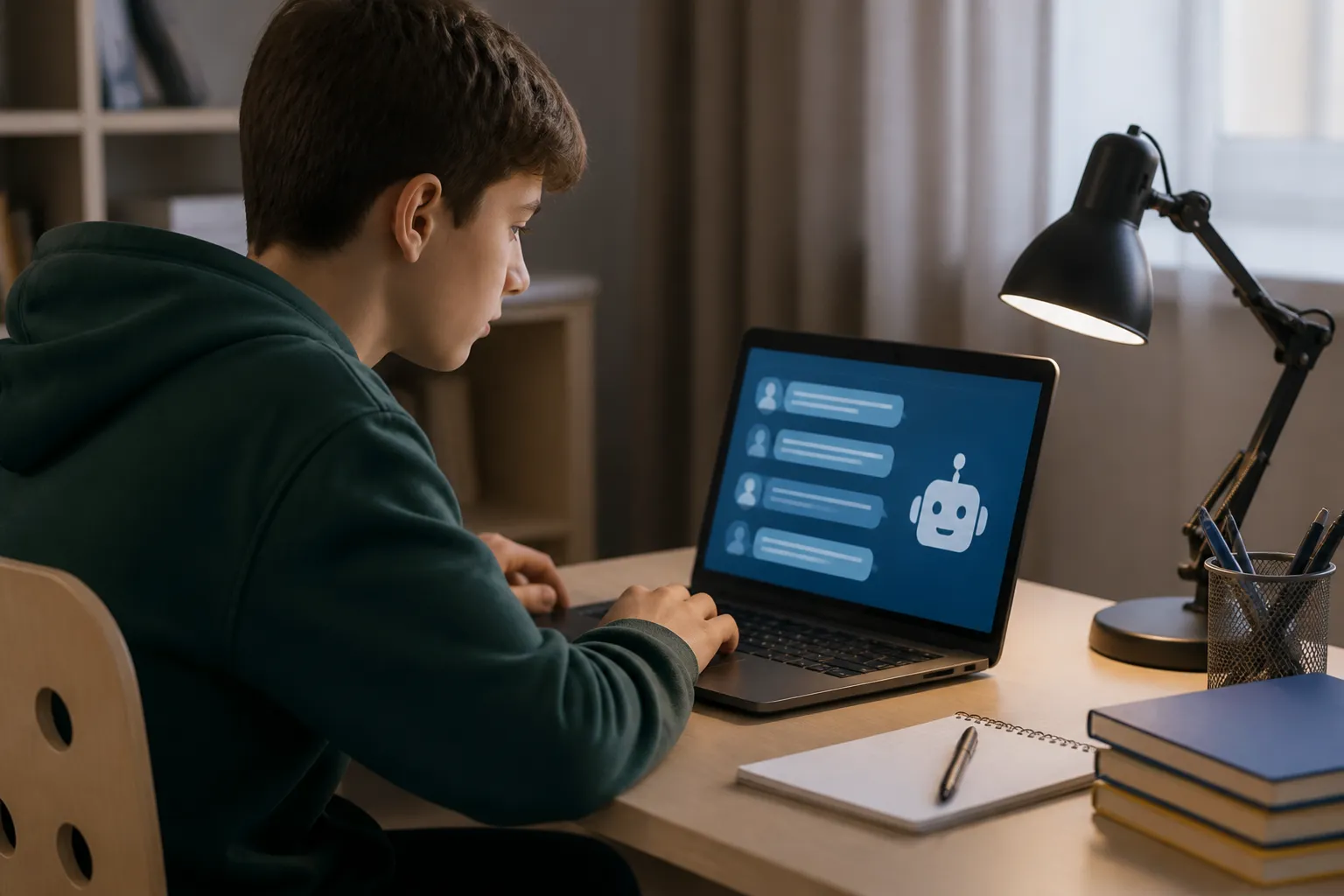
Allie Maloney, an analyst at Americans for Responsible Innovation, called on the U.S. Congress to require chatbots to use a non-personalized mode by default for users under the age of 18. In her view, this could reduce the risks of children becoming emotionally dependent on artificial intelligence systems and of those systems replacing human interaction.
In an op-ed published by The Korea Herald—which noted that it was originally written for The Fulcrum—Maloney cited data showing that 64% of teenagers use AI chatbots, and 28% do so daily. According to her, one-third of teenagers find conversations with chatbots just as satisfying—or even more so—than communicating with people.
The author called the anthropomorphization of chatbots—the use of casual language, emojis, emotional expressions, first-person pronouns, and other features that mimic human behavior—dangerous. She believes that this design creates a sense of social presence and can make it difficult for minors to distinguish between simulated care and real human relationships.
Read more breaking news on the UA.News Telegram channel.
Maloney also cited research on simulated dialogues between teenagers and chatbots. According to her, neither general-purpose chatbots nor companion chatbots challenged users who spoke of reckless or dangerous actions, such as going into the woods without a plan or wanting to get drunk quickly.
The author mentioned a U.S. Congressional hearing on the harms of chatbots, where parents spoke about their children becoming estranged from their families and placing increasing trust in AI. In her view, periodic text warnings that the conversational partner is an AI may not be sufficient if the chatbot simultaneously mimics human-like communication.
Instead of a complete ban on AI companions for minors, Maloney proposes a mode that would not mimic human communication. She believes this would allow chatbots to be used for educational and creative purposes while limiting designs that could foster dependent relationships with technology.


