
Meta to unveil camera-free Ray-Ban Meta Audio smart glasses — BBC News
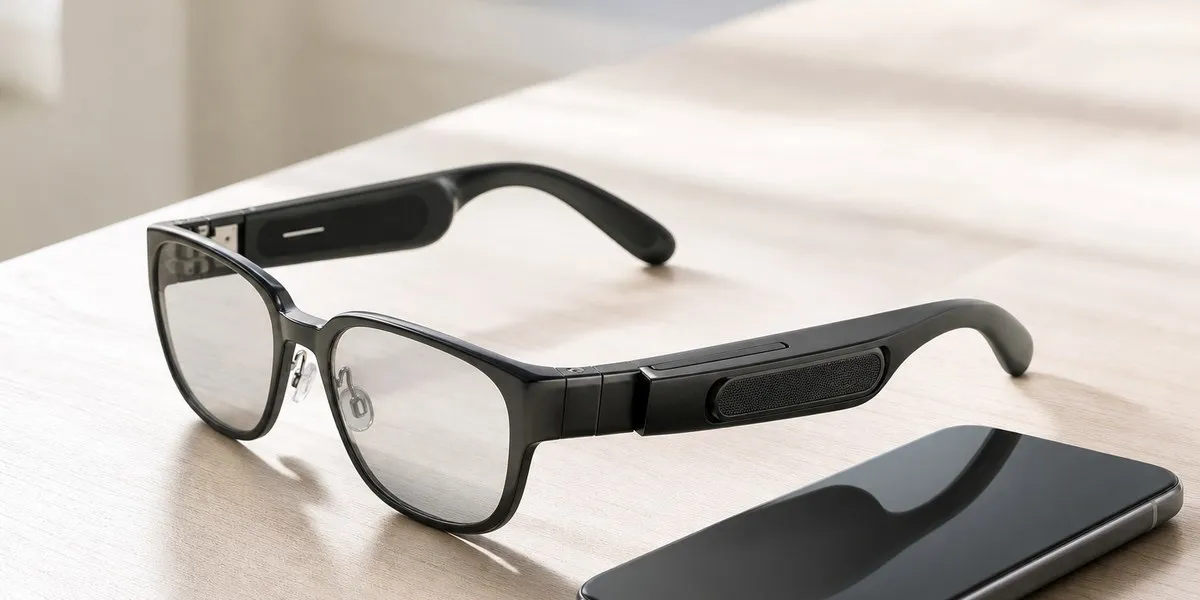
Meta is set to unveil Ray-Ban Meta Audio smart glasses without a built-in camera on Thursday. The device will retain the audio functions of previous models: users will be able to make calls and listen to music through speakers in the glasses’ temples, BBC News reports.
Meta said the audio version would be cheaper than models with a camera, have a lighter frame and offer longer battery life. The company denies that it rushed out the new product because of public criticism and says it had been developing it for two years.
Privacy concerns
Meta smart glasses, created in collaboration with Ray-Ban, sparked discussions after reports of women and girls being filmed without their consent and such recordings being shared. In the United Kingdom, the glasses have been banned in certain JD Wetherspoon pubs, several theatres, at Comic-Con, in some schools and at the Faslane base, where British nuclear submarines are stationed.
Camera-equipped models have a white LED indicator that flashes when the camera is active. At the same time, technical methods exist to disable this indicator, including by dismantling the glasses. Meta said that fewer than 0.1% of frames sold worldwide had been physically modified. Exact sales figures are unknown, but Ray-Ban’s parent company EssilorLuxottica said it sold seven million pairs of glasses last year.
More current news is available on the UA.News Telegram channel Telegram.
Cameras remain on the market
Janusz Świerczyński, a researcher at Oxford Saïd Business School, called the emergence of a camera-free version a positive signal of Meta’s response to privacy concerns. At the same time, he noted that this is not a complete answer, as camera-equipped models remain on the market.
CCS Insight analyst Ben Wood believes cameras in glasses will not disappear because they provide artificial intelligence systems with an important stream of information about the user’s surroundings. Meta also plans to release a third generation of camera-equipped glasses in the United Kingdom next month that will be able to display data in the lenses.
Other manufacturers are also seeking ways to address privacy concerns. Taiwan’s HTC has included in its Vive Eagle glasses a feature that deactivates the camera if one of four microphones detects the words “stop filming” or “stop recording” nearby.




