
NASA commissions new 34-meter Deep Space Network antenna in California — Space.com
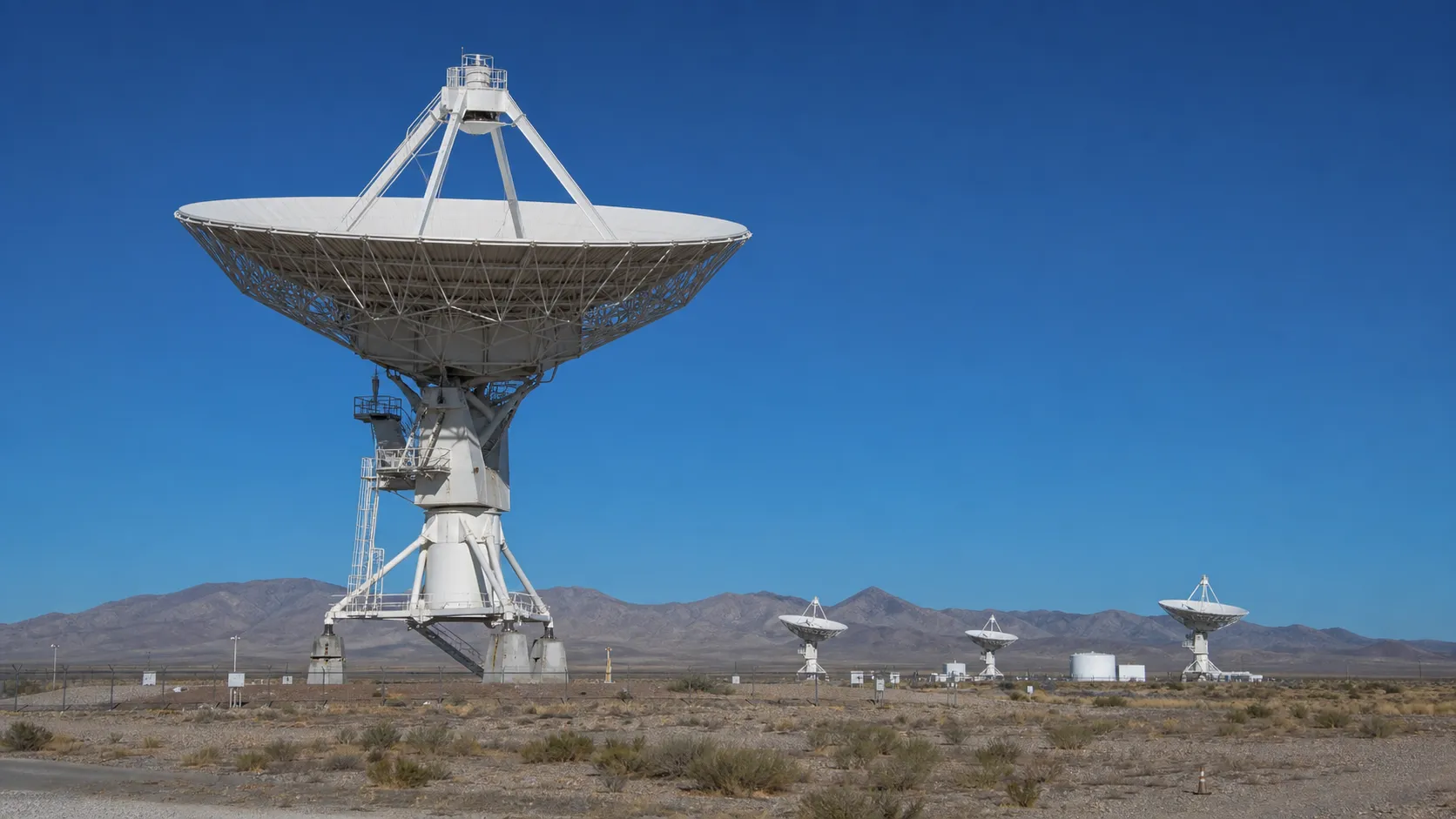
NASA has commissioned a new 34-meter radio-frequency antenna of the Deep Space Network at the Goldstone complex near Barstow, California, United States. The Deep Space Station 23 antenna is expected to increase the capacity of the network that communicates with spacecraft operating in deep space.
As Space.com reports, the Deep Space Network is used by more than 40 spacecraft exploring the Solar System and interstellar space. They include Voyager 1, Voyager 2 and New Horizons. The network is already facing growing demand for communications sessions.
Network workload
NASA managers have warned since at least 2021 that even with the construction of new antennas, the network is not keeping up with mission needs. Brad Arnold, manager of the Deep Space Network at NASA’s Jet Propulsion Laboratory, said that missions should expect less network availability because of limited resources.
More current news is available on the UA.News Telegram channel Telegram.
The Artemis lunar program is creating an additional workload. During flights around the Moon, communications with the uncrewed Artemis 1 in 2022 and the crewed Artemis 2 in 2026 were to take priority, significantly reducing the ability to support other missions. Human spaceflights take precedence over robotic spacecraft because the network serves both types of missions.
Sixth antenna planned for 2029
The Deep Space Network has three complexes: at Goldstone in California, near Madrid in Spain, and Canberra in Australia. Each has a large 70-meter antenna and several smaller ones. The new antenna at Goldstone, which is about half the size of the largest facilities, began operations on August 3, when it tracked the Chandra X-ray Observatory.
DSS-23 became the fifth of six 34-meter antennas envisioned by the Aperture Enhancement Project, which began in 2009. NASA expects to commission the final antenna — DSS-33 in Canberra — in 2029. According to a 2015 estimate by NASA’s Office of Inspector General, the project cost was $362.4 million, but by the start of fiscal year 2023 projected spending had risen by 68% to $706 million, while implementation was nearly five years behind schedule.




