
Norway prepares temporary ban on AI glasses in parks and schools — Ars Technica
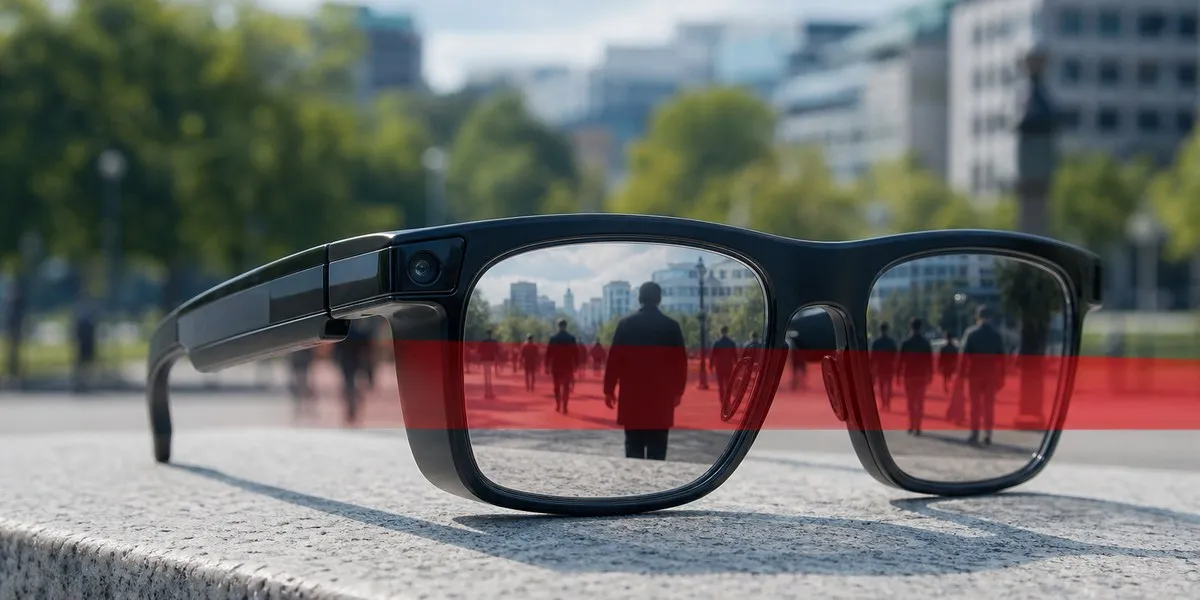
The Norwegian government plans to submit to parliament a bill on a temporary ban on the use of artificial intelligence glasses in some public places, including parks, beaches, schools and kindergartens. The initiative is linked to concerns about the possibility of photographing, filming or recording people without their knowledge, Ars Technica reports.
Temporary ban and permanent rules
The country's centre-left government also intends to create an expert group that will propose permanent national rules for such devices. Norway's Minister of Digitalisation, Torgeir Micaelsen, said the temporary ban would allow time for a thorough assessment of the technology and public discussion before permanent regulation is introduced.
The government is not proposing a complete ban on AI glasses. In its view, the use of such devices may be acceptable in situations where there is no risk of recording people without their consent. The proposed ban was described as a priority, and the bill was promised to be presented to parliament soon.
More current news is available on the UA.News Telegram channel Telegram.
Local bans and privacy concerns
Parts of Norwegian society have already introduced their own bans. In particular, schools in Oslo have banned AI glasses, while the country's largest company, Equinor, has banned them in its offices and offshore facilities. Australia is also considering banning smart glasses in certain public spaces, while courts in several countries have already imposed restrictions on wearable devices.
Meta, Google and OpenAI view wearable devices, including smart glasses, as a possible alternative to smartphones for interacting with AI. At the same time, devices that can see or hear what is happening around the user raise privacy concerns. Counterpoint Research analysts estimate that consumers will spend more than $1 trillion on wearable devices between 2026 and 2032.




