
AI and nuclear war could lead to the extinction of humanity by 2100, experts say
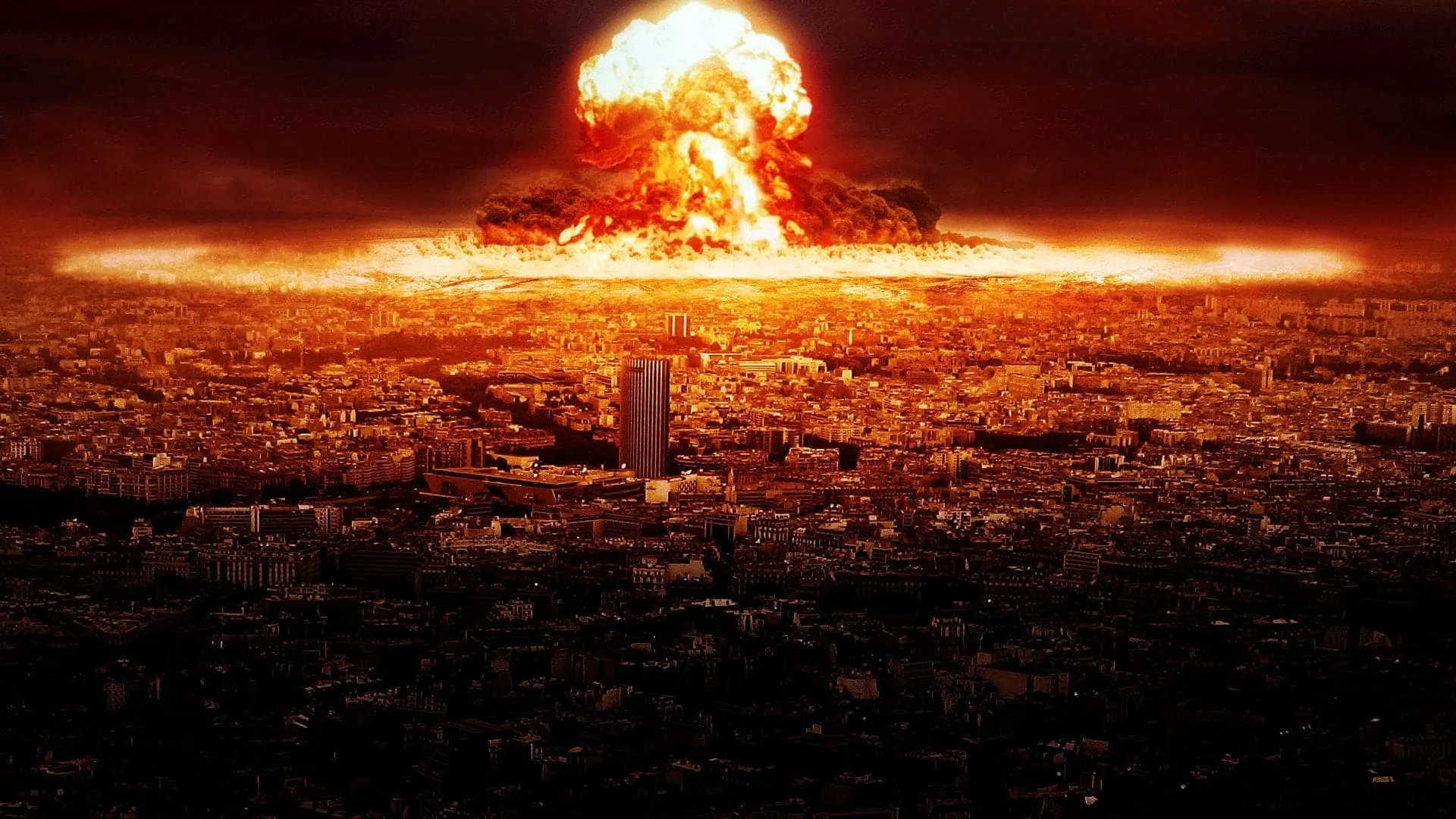
Humanity may face the risk of extinction by 2100 due to the malicious use of artificial intelligence or a nuclear conflict. This is according to a new assessment of global risks prepared by The Lancet Commission on Global Health Threats in the 21st Century.
In total, experts identified 17 major threats to human health over the next 75 years.
In addition to the malicious use of artificial intelligence and nuclear war, the list includes the climate crisis, child malnutrition, air pollution, cuts in international aid, and other factors.
The commission emphasized that these threats are interconnected, so a comprehensive approach is needed to address them. At the same time, the experts stressed that there are realistic ways to respond to each of the identified threats.
“The decisions leaders make today will determine the health and well-being of the next generation,” said Professor Christopher Murray, co-chair of the commission and director of the Institute for Health Metrics and Evaluation at the University of Washington.
To compile the list, the commission modeled the number of healthy life years that could be lost due to illness, disability, or premature death resulting from each threat, taking current trends into account. This metric is called DALYs—disability-adjusted life years.
The report notes that the malicious use of artificial intelligence—particularly for the creation of biological weapons—and a nuclear conflict with the risk of nuclear famine could lead to the extinction of humanity within the next 75 years.
The study’s authors note that while the probability of such scenarios remains low, the consequences could be catastrophic.
In the event of a nuclear war, large-scale emissions of particles into the upper atmosphere could block sunlight, cause a sharp deterioration in agricultural conditions, and lead to mass starvation. Another scenario involves the use of biological weapons developed with the help of artificial intelligence.
In an editorial in The Lancet published alongside the report, the authors warned: “The scale of the damage if these threats were to materialize would spell an apocalypse for humanity.”
The commission classified the following as major catastrophic threats, each of which could result in significant losses of healthy life:
- air pollution;
- antimicrobial resistance;
- child malnutrition;
- the climate crisis;
- armed conflicts;
- reductions in international aid;
- excessive alcohol consumption;
- high blood pressure;
- income inequality;
- low levels of education;
- natural pandemics;
- obesity;
- mental health issues;
- smoking;
- unhealthy aging.
To be included on the list, threats had to not only potentially cause significant losses in healthy life years but also offer opportunities for intervention.
Ibrahim Abubakar, a member of the commission and professor of infectious disease epidemiology at University College London (UCL), emphasized that the goal of the study is not to scare the public, but to help government leaders assess the scale of the risks and the possibilities for addressing them.
“We’re not taking a stance like, ‘Here, we want to scare you—humanity faces so many threats.’ Our approach is that if you’re making policy decisions today—whether at the global multilateral level or at the national level—these are the potential threats you may face, and this is the scale of change you can actually achieve through your actions,” Abubakar explained.
The report models the best- and worst-case scenarios for each of the 17 threats. According to experts’ estimates, limiting global warming to approximately 1.8°C instead of a scenario with a 4.4°C temperature rise could prevent the loss of 1.89 billion healthy life-years.
At the same time, the main threats vary depending on income levels in different regions of the world. In high-income countries, a significant portion of the risks comes from noncommunicable diseases, particularly obesity and mental health issues. In low-income regions, health losses are largely linked to low levels of education and other social factors.
The commission paid particular attention to the reduction in international health aid. Over the past year, a number of major donor countries, including the United States and the United Kingdom, have announced significant cuts to their health aid budgets.
According to the report’s authors, the collapse of international health aid or its sharp reduction could result in the loss of up to 1.5 billion disability-adjusted life years by 2100. Nearly 70% of these losses are projected to occur in sub-Saharan Africa. This region also suffers the most from child malnutrition.
The commission consists of 35 experts. The results of their work are to be presented at the World Health Summit in Berlin, Germany. The assessment is planned to be updated annually, with identified threats reviewed in light of new data and emerging risks.
The authors called on world leaders to respond to these threats before they escalate into large-scale crises. Among the key measures, they cited investments in technological innovation and the strengthening of health care systems.
“We began this process three years ago, believing that there were three major threats: conflicts, climate change, and pandemics,” Murray said.
According to him, the list of risks turned out to be much broader than initially expected. Therefore, governments need to allocate funds and experts to forecast, prevent, and prepare for a wide range of global threats.
The Guardian reported on the study’s findings.
Earlier, Bilal Chugtai, a former research engineer at Google DeepMind, stated that artificial intelligence could potentially destroy humanity, and that time to avoid such a scenario may be running out.
About half of the respondents in a survey commissioned by Politico supported slowing the development of artificial intelligence to mitigate potential risks. The survey covered six Western countries—the United Kingdom, Germany, Spain, Canada, the United States, and France.




