
SpaceX plans to launch Google AI chips into orbit — CNBC
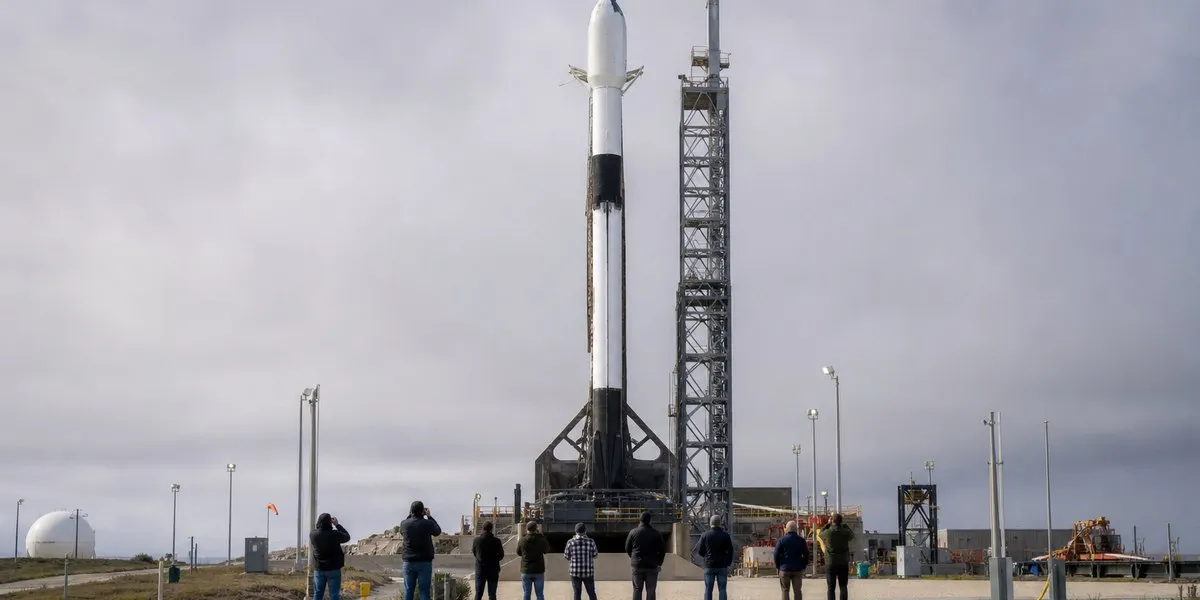
On October 1, SpaceX plans to launch Planet Labs satellites aboard a Falcon 9 rocket, one of which is equipped with Google tensor processing units (TPUs). The launch of the uncrewed Transporter-18 mission is scheduled for 11:15 a.m. Pacific time from Vandenberg Space Force Base in California, United States.
As CNBC reports, the solar-powered prototype equipped with Google TPUs will become the first in-orbit test of Project Suncatcher. It is an Alphabet initiative to create reliable computing infrastructure for artificial intelligence in space, which Google first announced in November 2025.
Testing computing in space
Alphabet said Project Suncatcher is intended to explore whether space could in the future become a location for scalable machine-learning infrastructure. According to the company’s estimate, satellites in low Earth orbit can have almost constant access to sunlight and generate up to eight times more solar energy than on Earth.
More current news is available on the UA.News Telegram channel Telegram.
In the longer term, Alphabet expects to link several satellite constellations so they can process larger AI workloads in orbit. At the same time, the company does not yet know how its chips will perform in the challenging conditions of low Earth orbit. Google previously tested TPUs while running AI tasks at a University of California, Davis facility.
SpaceX plans for orbital data centers
SpaceX has also stated its intention to create its own orbital data centers. Under the company’s plan, they will consist of constellations of satellites developed in Redmond, Washington, equipped with graphics processing units and solar panels that are planned to be manufactured together with Tesla.
SpaceX Chief Operating Officer Gwynne Shotwell said in September that the company would deploy “supercomputing in space” in 2027. At the same time, industry experts note that building data centers in space remains a difficult task because of limited and expensive rocket launches, the need for cooling systems, protection of chips from extreme temperatures and radiation, as well as the problem of space debris.




