
SpaceX turns away Falcon 9 customers to focus on Starship — Fortune
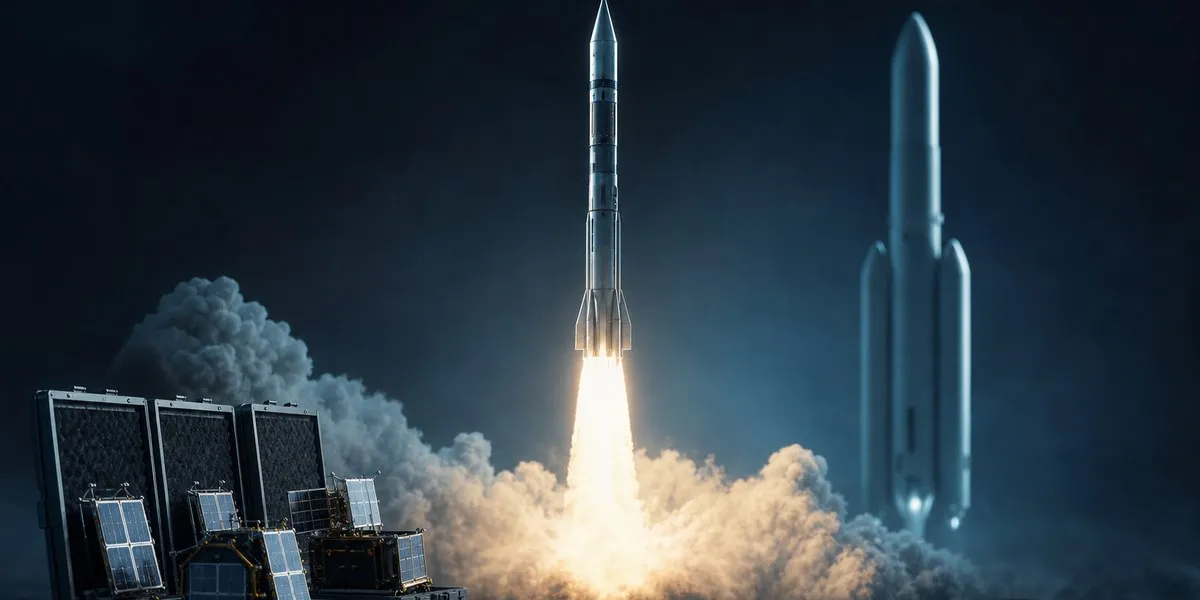
SpaceX, according to potential commercial customers and satellite operators, has begun turning down Falcon 9 launches in order to focus resources on the development and commercialization of Starship. Some customers are paying extra for the chance to secure one of the few available Falcon 9 slots, while others are seeking alternative launch vehicles, Fortune reports.
Falcon 9’s role in the launch market
In 2025, more than half of nearly 330 space flights to low Earth orbit were carried out using Falcon 9. The rocket placed Earth observation satellites, environmental monitoring spacecraft, and Crew Dragon capsules, which transport astronauts to the International Space Station, into orbit.
Falcon 9 made its first test flight in 2010. A key milestone was the successful landing of its first stage in 2015: this enabled SpaceX to recover and reuse boosters, significantly reducing launch costs.
Reports emerged in late 2026 that SpaceX was reallocating personnel in favor of Starship and gradually winding down the Falcon 9 program. At the same time, the company has contractual obligations to continue Falcon 9 flights for ISS crew rotations and launches of payloads for national security needs.
More current news is available on the UA.News Telegram channel Telegram.
Searching for other launch vehicles
European customers, according to the publication, are mostly turning to Ariane 6. Others are reserving slots on future medium-class rockets, including Rocket Lab’s Neutron.
To switch to another launch vehicle, operators may also need to modify satellites to meet its technical requirements. The article’s author, University of Michigan research fellow Mojtaba Ahavan-Tafti, believes that there is currently no other operational rocket that combines Falcon 9’s launch frequency, affordable price, and proven flight record for medium-class payloads.
In the author’s view, government agencies could distribute orders among different commercial providers to support the development of alternative rocket programs. He also advises satellite owners to standardize payloads for compatibility with several types of launch vehicles.




