
SpaceX calls for data sharing after dangerous Starlink close approaches — Ars Technica
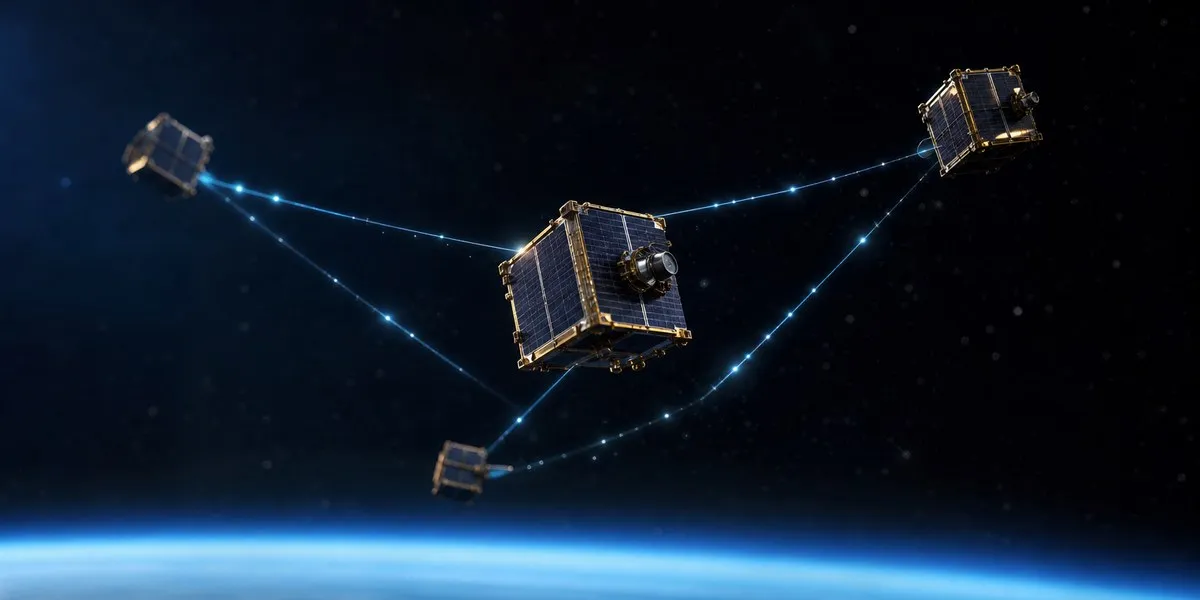
At the International Astronautical Congress in Antalya, Turkey, SpaceX Vice President for Starlink Michael Nicolls called on satellite operators to share data on the locations and maneuvers of spacecraft. According to him, satellites operated by other companies have repeatedly come within tens to hundreds of meters of Starlink satellites after changing their trajectories without notifying other operators.
As Ars Technica reports, the Starlink constellation currently has more than 11,000 satellites — approximately two-thirds of all active spacecraft in low Earth orbit. Nicolls stressed that there are currently no global treaties or standards requiring operators to provide data on satellite positions and maneuvers.
Trajectory data
This refers to ephemerides — information about a satellite's location and movement. According to Nicolls, without sharing such data, operators have to rely on tracking data or their own collision-avoidance systems. He noted that some operators may not disclose this information, considering it a competitive or strategic advantage.
SpaceX says it publishes Starlink ephemerides. The company also uses the onboard Stargaze system with navigation cameras, which, according to Nicolls' estimate, tracks about 90% of maneuvering satellites crossing Starlink orbits.
More current news is available on the UA.News Telegram channel Telegram.
Collision-avoidance maneuvers
According to SpaceX, Starlink satellites perform about a thousand collision-avoidance maneuvers every day, responding to both active spacecraft and space debris. Over the past few months, they have avoided around 650 active satellites operated by other companies; only about half of them belonged to operators that share ephemerides with SpaceX.
Nicolls also said that data sharing with some international operators remains difficult. A chart in his presentation indicated that the problem largely concerns Chinese and Russian satellites, although some operators from the United States, Europe, and Japan also do not share data.
Amazon executive Leo Rajiv Badial said the company coordinates every launch with SpaceX and other operators, informing them about satellite deployment points and orbit raising. According to him, sharing ephemerides and other information necessary for space safety is not a problem for Amazon.




