
In China, a Long March 7A rocket exploded after launch
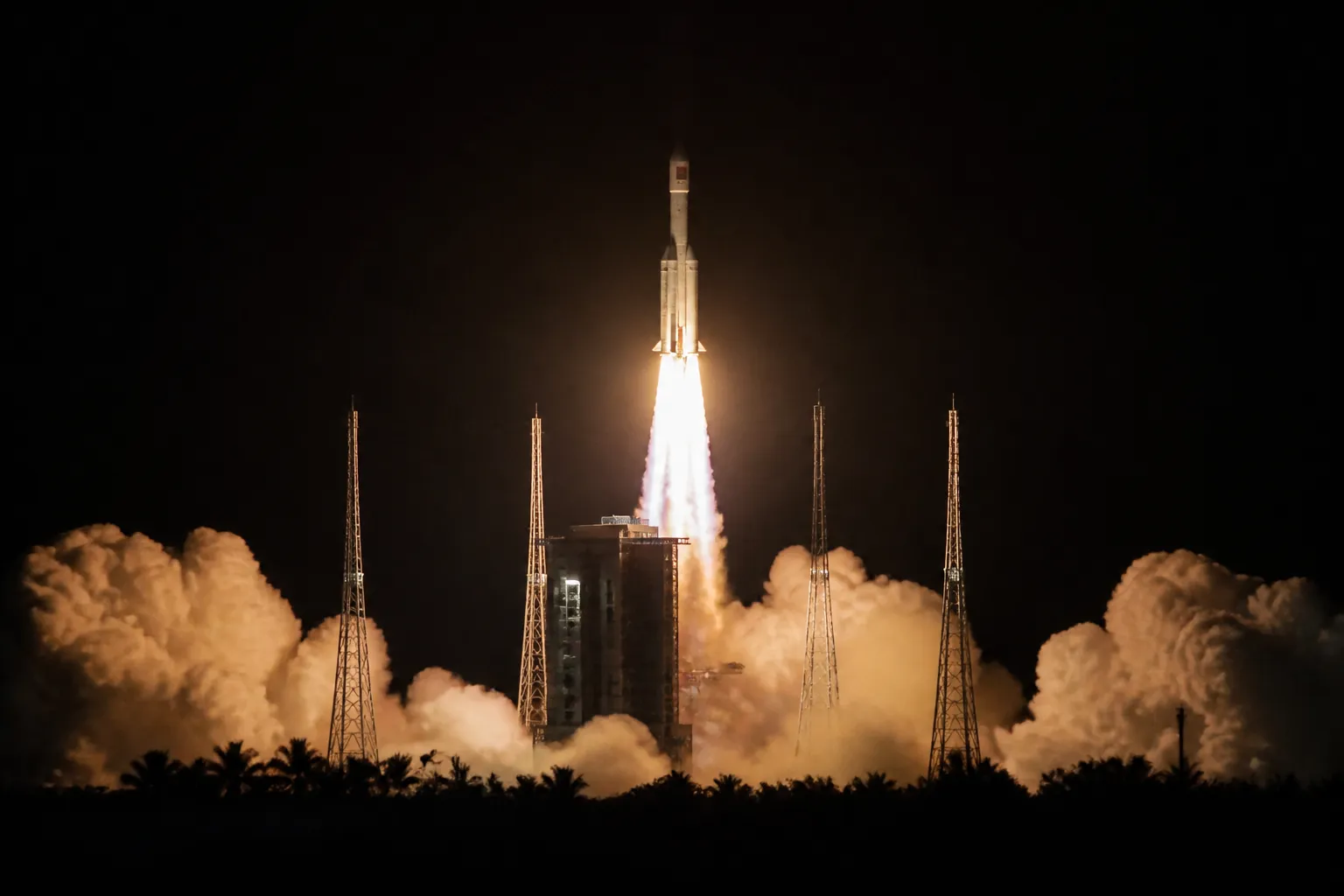
The Chinese Long March 7A launch vehicle exploded a little more than a minute after liftoff from the Wenchang Space Launch Center. The launch on Monday evening local time appeared to be proceeding normally, but video from open sources shows the first stage exploding approximately 1 minute and 20 seconds into the flight, according to Ars Technica.
The medium-class rocket was carrying a classified payload, which, according to the publication’s assessment, could have been a military communications satellite. The Long March 7A was developed by the China Aerospace Science and Technology Corporation and is operated by the China National Space Administration. As of Monday evening local time, Chinese officials had not commented on the explosion.
The cause of the accident has not been determined. The timing of the explosion suggests it occurred during the first-stage operation—presumably during the period of maximum aerodynamic stress as the rocket passed through the lower layers of the atmosphere. Ars Technica also speculates that the flight may have been terminated by an onboard emergency termination system, which is activated when the rocket deviates from its trajectory.
For more breaking news, follow the UA.News Telegram channel.
A key question for the Chinese space program is whether the accident could have been related to the YF-100 first-stage main engine. This engine, which runs on liquid oxygen and kerosene, generates 270,000 pounds of thrust at sea level. It has been used on the Long March 7 and its newer version, the Long March 7A, for about ten years, and is also used on other Chinese launch vehicles, including the Long March 5 through Long March 8 family. Modified versions of this technology are also planned for the Long March 10.
If the malfunction involved the YF-100, it could potentially affect the schedule of the Chang’e 7 lunar mission. Its launch on a Long March 5 rocket was scheduled to take place in about two weeks. The Long March 5 boosters are also equipped with the YF-100. Chang’e 7 is to consist of an orbiter, a lander, a rover, and a small hopper; the mission is planned to be directed toward the Shackleton Crater region near the Moon’s south pole.




