
October 9 is the feast day of the Apostle James, son of Alphaeus—what traditions and customs are associated with it?
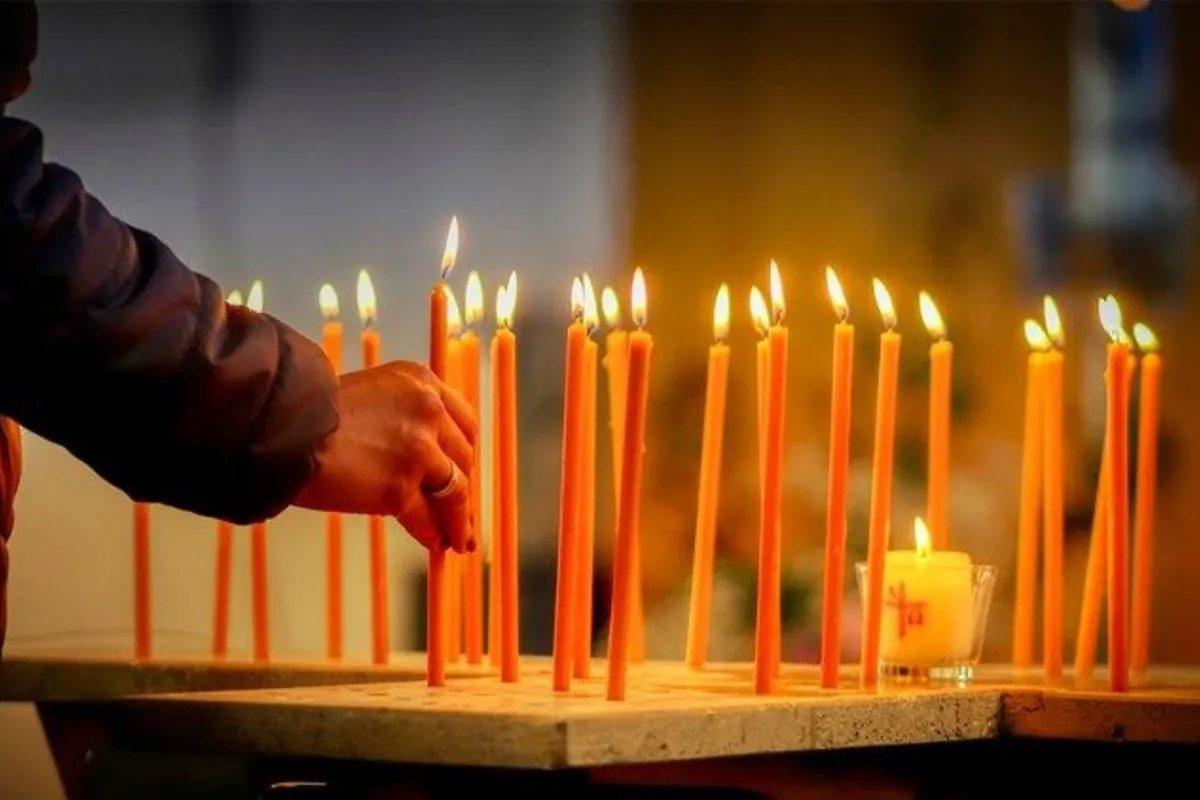
On October 9, 2026, Orthodox Christians commemorate Saint James the son of Alphaeus, one of the Twelve Apostles of Jesus Christ. The OCU church calendar also commemorates on this day the Venerable Andronicus and Athanasius, the righteous Abraham and Lot, and other saints. In folk tradition, this day was called “James the Cold.” It was believed that during this period, the warmth of autumn finally gave way to the cold, so people hurried to finish their preparations for winter.
The Apostle James, son of Alphaeus, lived in the first century and was one of the twelve closest disciples of Jesus Christ. In church tradition, he is referred to as the brother of the evangelist Matthew. James heard Christ’s sermon, witnessed His miracles, and after the Descent of the Holy Spirit, set out to preach the Christian faith. According to tradition, the apostle preached in various lands, including Judea, Edessa, Gaza, and Eleutheropolis. He taught people the Christian faith, helped the sick, and converted pagans to Christianity.
James ended his earthly journey with a martyr’s death. According to church tradition, he was crucified by pagans in the Egyptian city of Ostracina. That is why the Church commemorates him not only as one of the Twelve Apostles but also as a martyr for the faith. It is important not to confuse James the son of Alphaeus with other saints named James. The church calendar also includes the Apostle James, son of Zebedee, who is commemorated on April 30, and James, the Brother of the Lord, whose feast day falls on October 23.
On this day, churches hold services in honor of the apostle. Believers may pray to him for the strengthening of their faith, for help in difficult circumstances, and for the forgiveness of sins. The saint’s troparion contains a plea to the apostle to ask the merciful God for the forgiveness of human sins.
James the Cold and Folk Traditions
Apart from the church feast, there were folk customs associated with this date. Among the people, October 9 was called “James the Cold.” The name is linked to the anticipation of the first cold snap and the approach of winter. By this time, householders tried to finish preparing for the cold season. It was especially important to stock up on firewood and insulate their homes. It was believed that anyone who delayed these tasks might be left without a sufficient supply of fuel in the winter.
Yakov was also associated with harvest traditions. Dishes made from the new grain were served, porridge was prepared, and pies were baked. The food was supposed to be simple but hearty. This was how people gave thanks for the harvest and wished their families prosperity for the coming year. Another tradition was not to be alone on this day. In villages, people would visit one another and treat their relatives and neighbors to food. It was believed that hospitality helped maintain good relationships and bring prosperity to the home. Of course, these customs belong specifically to folk tradition. They are not church rules and are not mandatory for believers.
Folklore for October 9
Many folk omens were also associated with the weather on this day.
- If there are many spiderwebs in the air, autumn may be long and warm.
- A morning frost was considered a sign of a rapid drop in temperature.
- If birds gather in large flocks and fly off to warmer regions, a cold winter was expected.
- Clear and sunny weather, according to folk observations, promised a milder November.
- Severe cold on this day was seen as a sign that winter was already near.
Such folk signs should be viewed precisely as part of folk culture. They have no scientific basis.
What People Were Advised Not to Do on This Day
According to folk beliefs, on October 9, people were advised not to be lazy or put off important tasks. This applied especially to preparing the house for winter and stocking up on firewood. People also tried not to argue, not to bring up old grievances, and not to provoke conflicts. The day was considered a good occasion to make peace with loved ones and spend time with family.
It was advised not to refuse a person who asks for help or food. It was believed that a good deed would come back to the one who did it. Another belief concerned money. People believed that on October 9, one should not spend a long time counting small coins, as this was said to invite financial difficulties. This is also a folk superstition, not a church prohibition.
The Church generally does not provide a list of everyday activities that are strictly forbidden on the saint’s feast day. It is far more important on this day to devote time to prayer, good deeds, and loved ones.




