
Feodosy of the Caves Day: a church holiday on August 14
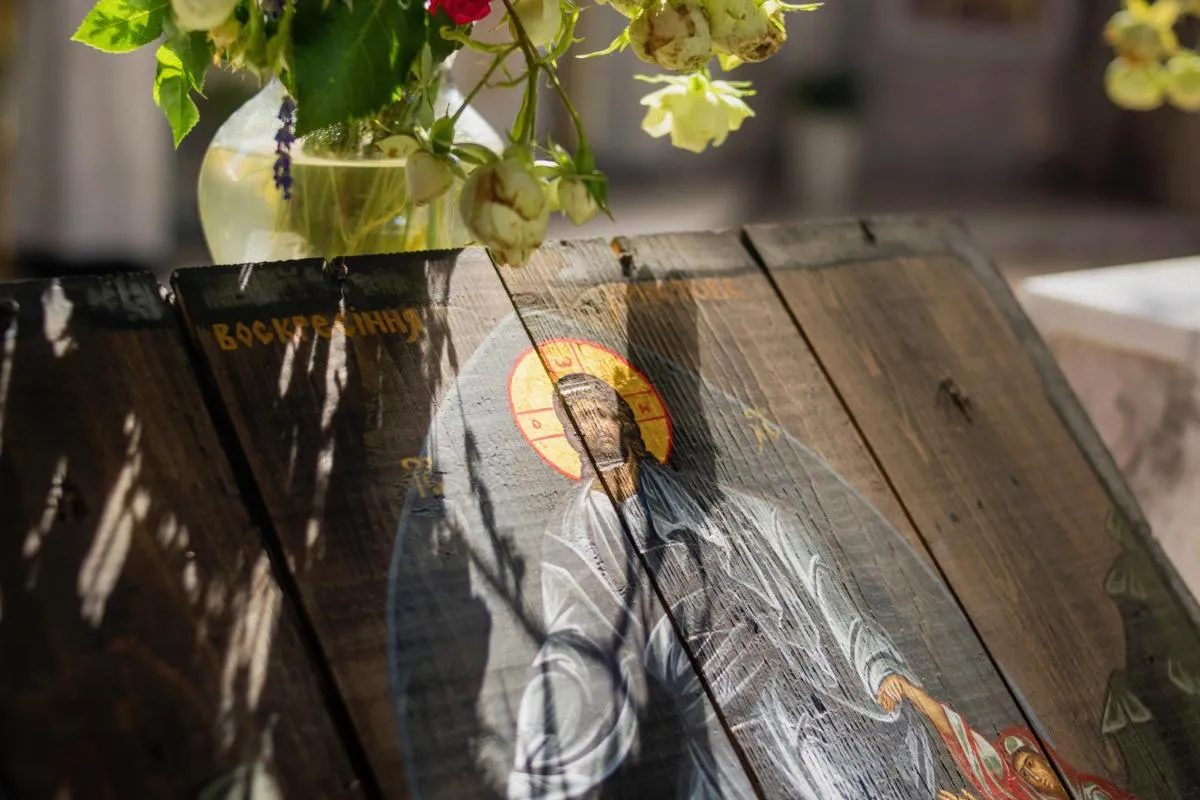
On Thursday, August 14, according to the new church calendar, Orthodox Christians commemorate the transfer of the relics of St. Theodosius, abbot of the Kiev-Pechersk Lavra. This day also marks the beginning of the vigil for the Dormition of the Most Holy Mother of God. Here’s what is known about this day, the traditions associated with it, and what, according to folk beliefs, is best to avoid.
According to the new calendar, on August 14, the Orthodox Church commemorates the transfer of the relics of St. Theodosius, abbot of the Kiev-Pechersk Lavra. Theodosius was one of the founders of the ancient monastic tradition in Kiev. He was born near Kyiv and lost his father at an early age. Even as a child, the future saint became interested in the Holy Scriptures and dreamed of a monastic life.
His aspirations were not supported. His mother was opposed to this choice, and because of Theodosius’s young age, the monasteries were unwilling to accept him. Eventually, he met the Venerable Anthony of the Caves, who tonsured him as a monk. Theodosius settled in a cave together with Anthony and Nikon. It was on this very spot that the Kyiv-Pechersk Lavra later arose.
In 1060–1062, Theodosius became the abbot of the monastery. Under his leadership, the monastery began to expand rapidly. He proposed building a wooden monastery building to house about a hundred monks, established a monastic rule, and initiated the construction of the Cathedral of the Dormition. Theodosius also founded one of the first church libraries.
The saint is known for his austere, ascetic life and, according to church tradition, for his miracles. Among those who turned to him for spiritual support was Prince Izyaslav Yaroslavich. Theodosius died in 1074. He was initially buried in his own cave. In 1090–1091, his relics were transferred to the Cathedral of the Dormition, which had been built with his involvement. During the Mongol invasion, the relics were hidden. The exact location of the relics of Theodosius of the Caves today is unknown. People turn to the Venerable Theodosius in prayer with requests for health, help in difficult life situations, and deliverance from misfortunes and sorrows.
The Eve of the Dormition of the Most Holy Mother of God
August 14 also marks the eve of the Dormition of the Most Holy Mother of God. It precedes one of the major Marian feasts of the church calendar. This period is associated with preparations for the Dormition, which is celebrated on August 15 according to the New Style calendar.
What holiday is observed on August 14 according to the Old Style calendar?
According to the Old Church Calendar, August 14 corresponds to August 27 in the New Style. On this day, the Exaltation of the Precious Relics of the Life-Giving Cross of the Lord was formerly celebrated. The seven Maccabean martyrs, their mother Solomonia, and their teacher Eleazar were also commemorated. This date was also associated with Honey Savior Day. After the transition to the new calendar, the date of this feast changed.
Micah-Tikhovoy, August 14
In the folk calendar, August 14 is known as Mikhey-Tikhovoy. The name is associated with the prophet Micah, whose memory is also honored on this day. Our ancestors considered this period a time for completing important summer tasks. Special attention was given to people who had difficulty managing their work on their own—the elderly, widows, and orphans.
People tried to help them finish their household chores. The day was also considered auspicious for matchmaking. This was linked to the end of the Dormition Fast. During this time, people were advised to spend more time with their families, maintain peace in the home, and avoid conflicts.
What Not to Do on August 14
Church rules do not establish a separate list of specific prohibitions for this day. At the same time, believers are traditionally advised to adhere to general Christian principles. Among the main prohibitions and folk warnings for this day are:
- do not quarrel or shout—especially at children and the elderly;
- do not spread gossip, slander others, or wish harm upon anyone;
- do not be greedy or envious, and do not refuse to help those in need.
Folk beliefs also advised against borrowing or lending money. It was believed that this could lead to financial problems. Another traditional prohibition concerned alcohol. According to popular belief, drinking alcohol on this day could develop into a harmful habit. At the same time, it is important to distinguish between church teachings and folk superstitions. Prohibitions regarding debt or alcohol are precisely traditional beliefs, not specific church rules.
Folk Superstitions for August 14
Our ancestors closely watched the weather on this day. They used it to try to predict what the coming weeks and fall would be like. Here are some of the most well-known signs:
- a bright red sunrise—rain and strong winds may be coming soon;
- a sunny and calm day—autumn will be dry;
- a calm wind—autumn will be quiet;
- strong, gusty winds—expect bad weather;
- a thunderstorm on August 14—according to folk signs, September may be rainy, and fall may be gloomy.
These signs have folkloric origins and are not scientific weather forecasts.
Who Celebrates Their Name Day on August 14
Feodosiy celebrates his name day on August 14. According to folk beliefs, people born on this day tend to be hardworking, energetic, and practical. They are said to have the ability to see things through to the end and to remain optimistic even in difficult situations.
At the same time, these characteristics are traditional beliefs associated with name days and birthdates, not a scientific description of a person’s character.




