
St. John the Theologian is commemorated on September 26 — traditions and prayer
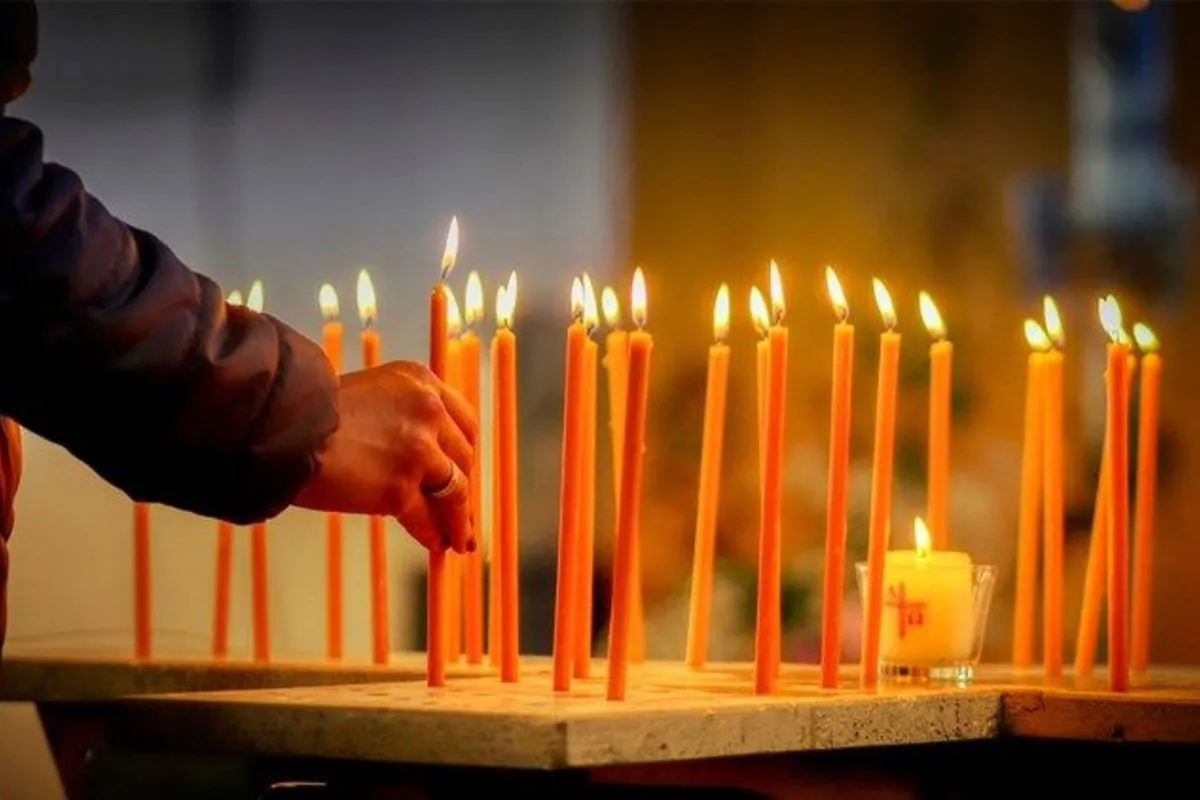
On September 26, 2026, Orthodox Christians honor John the Theologian, the apostle and evangelist—one of Jesus Christ’s closest disciples. On this day, his passing is commemorated, and in folk tradition, the holiday was called “Ivan the Traveler” and was associated with travel, autumn chores, and weather omens.
September 26 on the New Julian calendar is the day of remembrance for Saint John the Theologian, Apostle and Evangelist. The Church refers to this as the Dormition of John the Theologian—that is, it commemorates the end of his earthly life. On this day, believers can come to church for a service, pray, and honor the saint. In the 2026 church calendar, this feast day holds a high status and calls for a festive service.
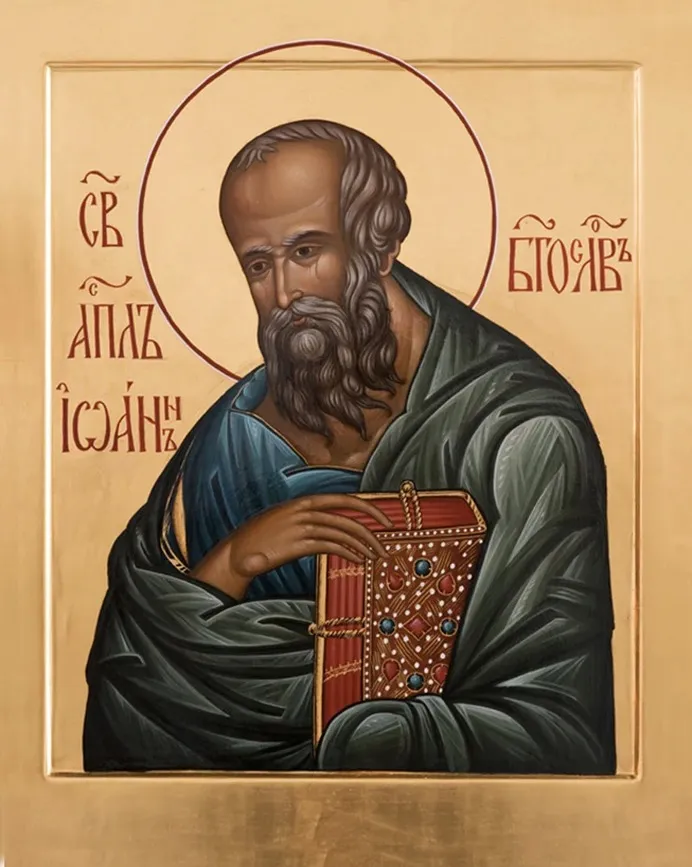
John the Theologian was one of Jesus Christ’s closest disciples. Together with his brother James, he left his life as a fisherman and followed Christ. John was present during important events in the Savior’s earthly life, including the Transfiguration and the Last Supper. He also stood at the Cross alongside the Mother of God. It was to John that Christ entrusted the care of His Mother. The Gospel of John contains Christ’s words addressed to the Mother of God and the disciple, which are traditionally understood as a charge to John to remain by her side.
After Christ’s Ascension, the apostle preached the Christian faith in Asia Minor, particularly in Ephesus. According to church tradition, it was there that he continued his preaching and worked on his writings. John is associated with the Fourth Gospel and the three Catholic Epistles. The island of Patmos holds a special place in his history. The apostle was exiled there during the persecution of Christians. It is with Patmos that church tradition associates the writing of the Book of Revelation, also known as the Apocalypse.
Why Is the Feast Called “Translation”?
According to church tradition, John the Theologian lived a very long life and died at a very advanced age. Unlike many other apostles, his death is associated not with martyrdom but with a natural death. There is also a legend about his burial. Before his death, John asked his disciples to prepare a tomb for him. After the burial, they later opened the tomb but did not find the apostle’s body there. It is this legend that gives rise to the name “Translation”—in church tradition, the emphasis is not simply on the saint’s death, but on his passage into eternal life.
John the Theologian is also called the Apostle of Love. In his epistles, he speaks extensively about love for God and one’s neighbor. Therefore, on this day, believers turn to him with prayers for spiritual support, peace, health, and help in difficult life situations.
John the Traveler—Folk Traditions on September 26
In the folk calendar, September 26 was known as Ivan the Traveler. This day was associated with travel, and people asked the saint to intercede for those setting out on a journey. Also during this period, people would finish part of the fall fieldwork and the planting of winter crops. One of the folk traditions was to treat others to baked goods. According to some accounts, on this day people baked pies and shared them with neighbors, passersby, or those in need. This tradition was rooted in charity and hospitality.
People also paid special attention to the weather. Our ancestors believed that it could hint at what the coming winter or next year’s harvest would be like. Of course, today such folk signs should be viewed precisely as part of folk culture, rather than as scientific forecasts.
Folk Omens
There were quite a few weather signs associated with September 26.
- If the rooks had already flown away, the first cold snap and snow were expected soon.
- If it rained on this day, people believed there would be a good grain harvest the following year.
- If the moon appeared red at night, strong winds were expected.
- If the leaves had already fallen from the cherry trees, people spoke of an early start to winter.
- Snow mixed with rain was considered a harbinger of thaws in winter.
What folk beliefs advised against doing
According to folk tradition, on September 26, people were advised not to quarrel, swear, gossip, or hold grudges against others. Also on this day, people tried not to refuse anyone who asked for help. Some sources state that on this day, one should not engage in heavy labor or work after noon. At the same time, these are merely folk beliefs, not a general church prohibition. In the Orthodox tradition, there is no rule that categorically forbids working on a holiday: it is more important to find time for prayer and worship, if possible.
Therefore, it is recommended to spend the day peacefully, pay attention to loved ones, help those in need, and not treat folk superstitions as mandatory rules.




