
Winemaker's Calendar for September 2026: Grape Harvest and Seasonal Tasks
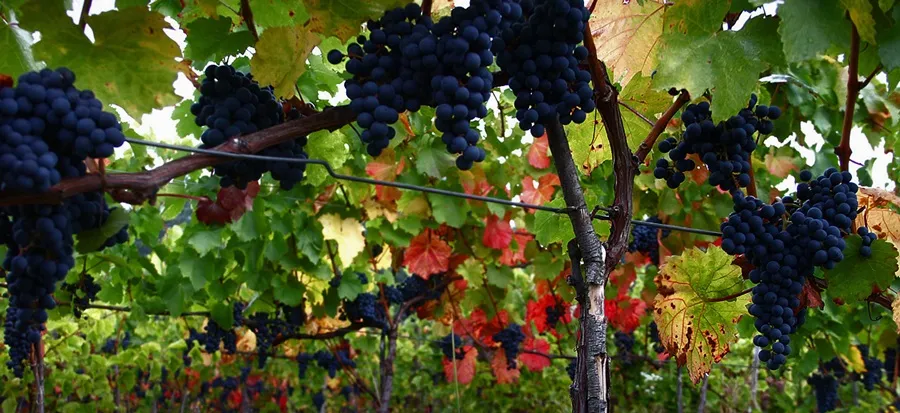
September is the culminating and most crucial month in a winemaker’s annual cycle. It is the time of harvest and the start of the active winemaking process, when the sun’s heat accumulated over the summer is embodied in the juicy fruits. It is in September that the sugar content and acidity of the grapes reach an optimal balance, determining the future bouquet, alcohol content, and structure of the wine.
The fall season demands the winemaker’s utmost attention, as it is crucial not only to harvest the grapes at the right time but also to properly process the raw materials. Preparing the equipment, monitoring fermentation conditions, and maintaining sterility at every stage are key to producing a high-quality wine.
Features of Winemaking in September
Most table and dessert grape varieties are harvested throughout September. The main challenge during this period is to catch the ideal moment of ripeness, when the sugar content in the berries is at its peak and the acidity level remains sufficient for a harmonious flavor. The weather in September significantly affects the quality of the must: sunny, dry days promote sugar concentration, while prolonged rains can lower its density and trigger the development of gray mold.
The main tasks for winemakers in September:
2. Harvesting—manually picking ripe and healthy bunches in dry weather, while ensuring that damaged or unripe berries are discarded.
3. Crushing and destemming — crushing the berries immediately after harvest to obtain the must and removing the stems to avoid excessive bitterness.
4. Primary fermentation control — adding wine yeast, regulating the temperature in the tanks, and regularly stirring the “cap” of pulp.
5. Pressing and separation of the must—pressing the must after the active fermentation phase is complete for subsequent settling and clarification of the wine.
6. Disinfection and preparation of containers—thorough washing and treatment of oak barrels, glass bottles, and stainless steel tanks before filling with young wine.
1–5: Preparation and early harvest. During the first days of the month, fermentation vats, presses, and pumps are disinfected and cleaned, and the temperature in the cellar is checked. At the same time, blackberries, late gooseberries, and summer varieties of pears and apples are harvested to produce the first fruit and berry wines or ciders before the mass arrival of grapes.
6–12: Harvest of early and aromatic white varieties. During this period, Muscat varieties, Sauvignon Blanc, and early rosé grapes are harvested during the coolest hours of the morning. Soft pressing is performed, the must is left to settle in a cool place, and controlled fermentation of white wines is initiated at low temperatures.
13–20: Peak harvest for white varieties and the start of red varieties. It is time to harvest Chardonnay, Riesling, and the first red varieties, particularly Pinot Noir. At the same time, they check the ripeness of fall plums and apples for the second wave of fruit and berry beverages, while in the winery they conduct daily temperature checks and adjust the “cap” of pomace in the red wines.
21–25: The main phase for late-harvest red wines. Rich red varieties—Merlot, Cabernet Sauvignon, and Odessa Black—are harvested. At the same time, the condition of young white wines that have completed active fermentation is assessed, the first racking off the coarse lees is carried out, and the final sugar and acidity levels are measured.
26–30: Final harvest, aging management, and cellar maintenance. The harvest of late-season grapes and fall apples for cider is completed. They perform the mandatory topping off of barrels containing wines from previous vintages to protect them from oxygen, thoroughly clean the containers after racking, and prepare the vineyard for fall fertilization.


