
The Order of the White Eagle: The History of the Award and the Political Scandal Between Kyiv and Warsaw
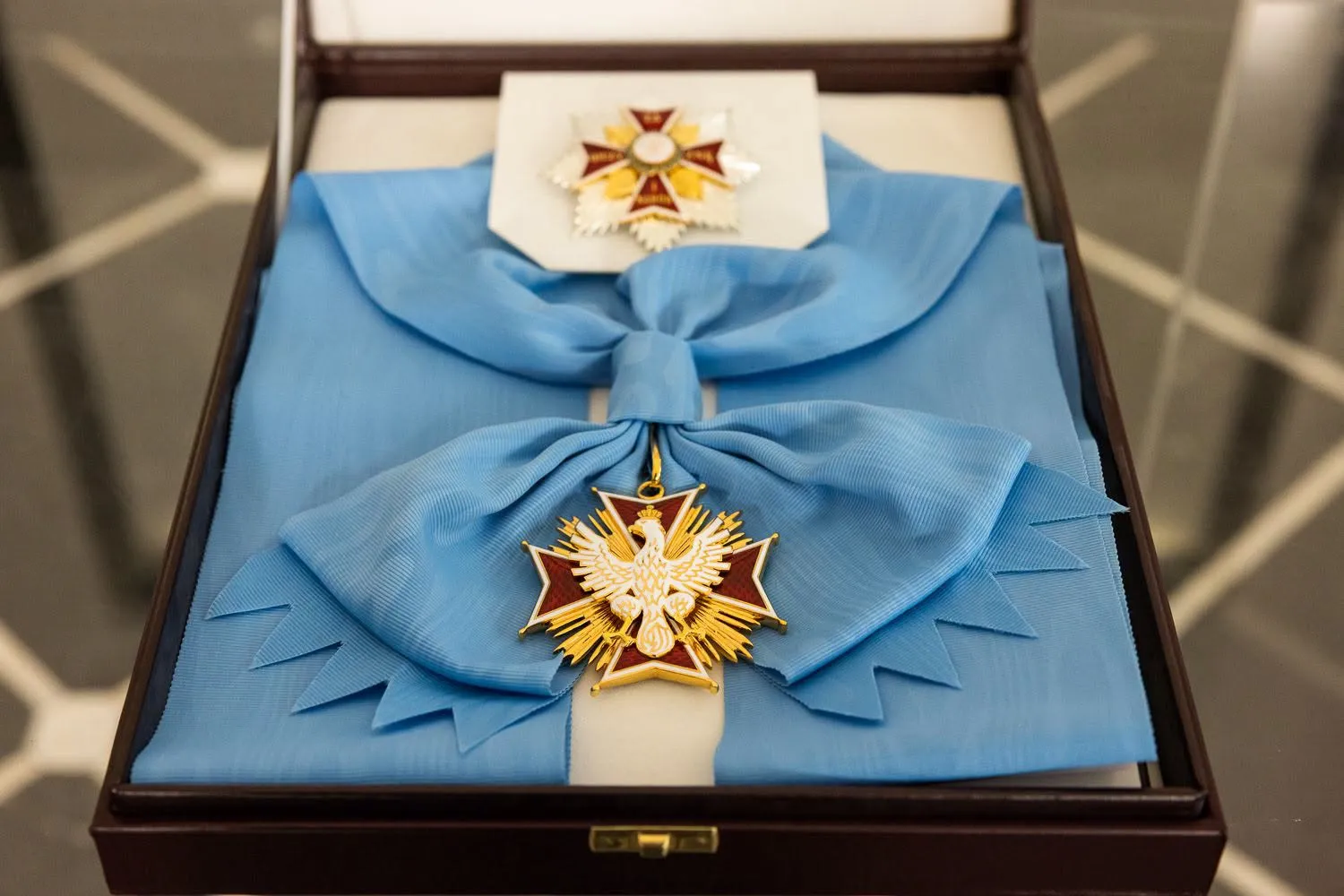
The decision regarding the Order of the White Eagle has once again sparked a wave of political debate between Ukraine and Poland, and the situation quickly went beyond the realm of diplomacy. Amid the statements and reactions, people began to recall the history of Poland’s oldest award, which has often served as a tool of international politics.
The Order of the White Eagle is not merely a state decoration, but Poland’s oldest and most prestigious order, established as far back as 1705. It is traditionally awarded not only to Polish citizens but also to foreign leaders who have played a prominent role in international relations or in supporting Polish statehood.
Among those who have received this award are figures of global stature—from Hetman Ivan Mazepa, who became one of the order’s first recipients during the Great Northern War, to U.S. presidents, including Woodrow Wilson and Joe Biden. The list also includes Winston Churchill, Queen Elizabeth II, Václav Havel, and Jacques Chirac—politicians who have had a significant impact on European and world history. “The Order of the White Eagle is Poland’s oldest and most prestigious award, traditionally bestowed upon monarchs, presidents, and foreign dignitaries for outstanding contributions to the development of international relations,” according to historical records about the award.
The history of the order also includes exceptions. The only recorded instance of the award being revoked occurred in 1932, when a political crisis in Poland led to the arrests of opposition figures and, subsequently, the judicial revocation of their civil rights and awards, including the Order of the White Eagle. However, the situation was later reviewed by the government-in-exile, and the award was reinstated—this precedent is still cited today in the context of legal and political decisions.
At various times, the order was also awarded to controversial historical figures, including Benito Mussolini and Catherine II, a fact that is now often cited as an argument in discussions about the political appropriateness of such awards. This is precisely why the Order of the White Eagle often goes beyond being a mere ceremonial honor and becomes an element of historical and diplomatic policy. Today, however, the situation surrounding it once again brings the conversation back to the broader context of relations between countries, where symbolic decisions carry no less weight than official statements. reports on this.
A new diplomatic scandal has erupted between Ukraine and Poland following Warsaw’s decision regarding the Order of the White Eagle, which had previously been awarded to Volodymyr Zelenskyy.
Polish President Karol Nawrocki has not yet made a decision regarding the revocation of the Order of the White Eagle from Ukrainian President Volodymyr Zelenskyy due to a dispute over the name of a unit of Ukraine’s Special Operations Forces.
Polish officials have stated that Ukrainian President Volodymyr Zelenskyy could lose the country’s highest state award—the Order of the White Eagle—if Kyiv does not reconsider its decision to bestow the honorary title “Heroes of the UPA” on one of its military units.


