
Army Reform in Ukraine Faces Criticism – FT
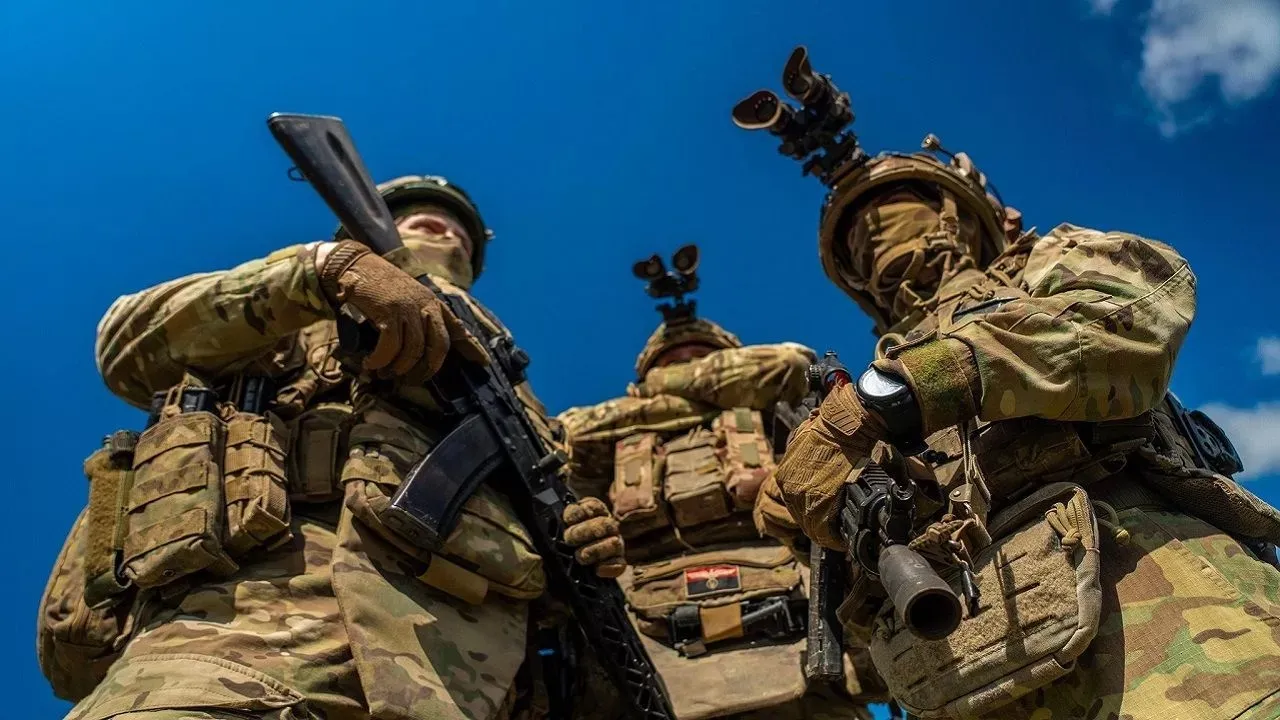
Ukraine is trying to address one of the key challenges facing the Armed Forces of Ukraine—a shortage of personnel and the exhaustion of active-duty soldiers. Against this backdrop, the military reform has drawn criticism, according to the Financial Times, which notes the difficulty of implementing systemic changes during prolonged hostilities.
The publication notes that the first phase of this reform focuses on active-duty troops—specifically, plans include increasing the recruitment of foreign nationals into the Defense Forces, simplifying transfers between units, and encouraging deserters to return. However, a key aspect of the reform is the introduction of several contract formats ranging from 10 to 24 months in duration. These contracts not only provide for higher pay but also guarantee leave upon completion.
However, as the publication notes, this reform has drawn criticism from active-duty military personnel. This is particularly true for those who joined the army in 2022 or earlier. Journalists quote Ukrainian writer Artem Chapay, who joined the Defense Forces in 2022. He called the reform “an abomination” that presents soldiers with a “new dilemma”:
“Either you settle for crumbs from the master’s table, or you refuse—and, as a serf, you have only yourself to blame,” he said.
Service members who spoke with the FT believe the reform has done too little for those who have fought for years. The soldiers also have doubts about whether the state will keep its promises. One of the problems they cite is that deferrals are far from equivalent to the discharge from service that many had hoped for. One soldier says:
“No one will hire you (in civilian life—UNIAN) if they find out you’re still the state’s property. And after this break, who knows which unit will take you back.”
Skepticism among soldiers is also fueled by the promise of partial demobilization for soldiers who have been fighting since before 2022. This is because brigades on the front lines continue to face a shortage of personnel. And according to analysts and Ukrainian officials, even if Ukraine manages to recruit a large number of soldiers through new contracts, this still won’t make it possible to abandon mobilization.
“Even these financial incentives won’t be enough to switch to voluntary recruitment. Right now, money isn’t the key issue when it comes to the reluctance to join the army. It’s more about the fear of ending up with a bad commander, the fear of death, and the fear of not receiving adequate training,” says Anton Hrushetskyi, executive director of the Kyiv International Institute of Sociology.
Journalists also note that the first stage of the reform did not address the most sensitive issue—the Territorial Defense Forces. The publication notes:
“Faced with the task of finding enough men to replenish the ranks of the Armed Forces, these agencies are often associated with a phenomenon that Ukrainian society has dubbed ‘busification’—the forcible abduction of men right off the streets,” the publication writes.
Earlier, Svyrydenko reported that the Ministry of Defense plans to increase pay for military personnel and introduce clear terms of service.
The current amendments to the state budget do not allocate sufficient funds for the promised pay raise for Ukrainian service members.
The 2026 budget calls for a significant increase in defense and security spending—an additional 1.56 trillion hryvnias has been allocated. The funds will go toward military salaries, weapons, equipment, and strengthening critical infrastructure.


