$ 44.8 € 51.88 zł 12.02
+21° Kyiv +15° Warsaw +29° Washington

Holiday on August 16, 2026 — Walnut Spas 2026: History, Traditions, and Greetings
Holiday on August 16, 2026 — Walnut Spas 2026: History, Traditions, and Greetings

On August 16, 2026, Ukraine will celebrate the Third Spas, which is popularly known as the “Nut Spas,” “Bread Spas,” or “Spas on the Canvas.” The ecclesiastical name of the holiday is the Transfer of the Image of the Lord Jesus Christ Not Made by Human Hands. On this day, Christians commemorate the ancient history of the holy image, while folk tradition associates the date with the end of the harvest, the first bread from the new crop, and the ripening of nuts.
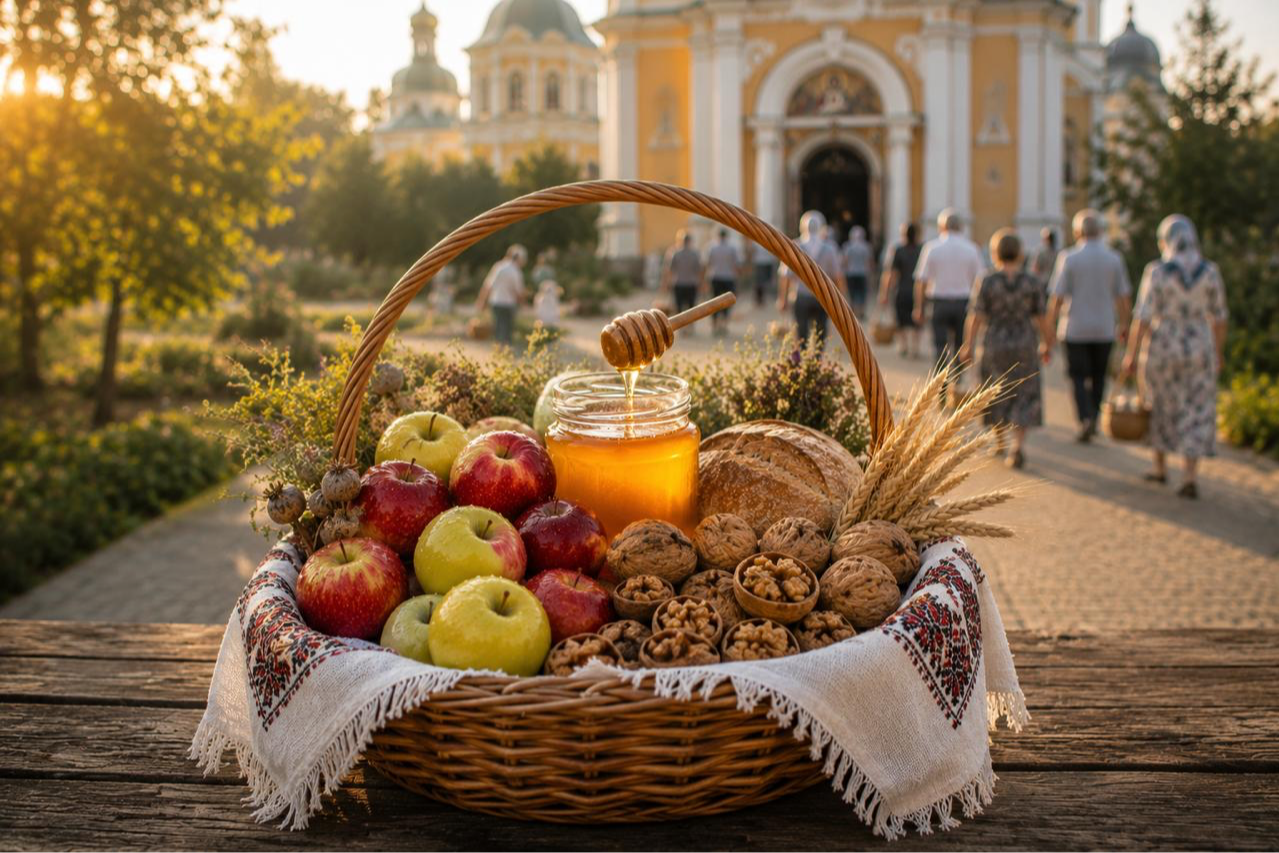
 

Nut Spas is celebrated annually on August 16 according to the new church calendar. In 2026, this date falls on a Sunday. The feast concludes the cycle of the three August Spas: after Honey Spas and Apple Spas comes the Third Spas.

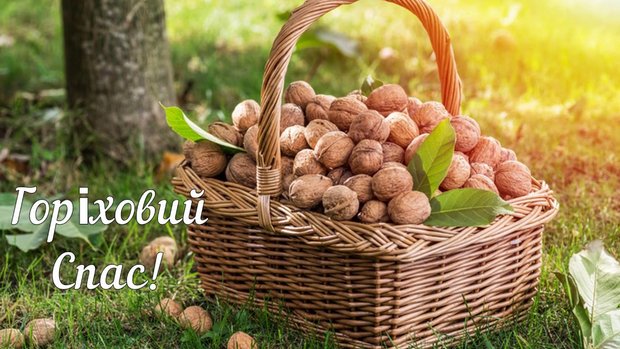
Горіховий Спас щороку відзначають 16 серпня за новим церковним календарем


The date changed following the calendar reform. In 2023, the OCU and the UGCC switched to the New Julian calendar, so many fixed church holidays are now celebrated earlier. For communities that continue to follow the Old Style, the Transfer of the Image Not Made by Hands falls on August 29. Therefore, when writing about the feast, it is important not to confuse the two dates: August 16 is the New Style date used by the OCU and the UGCC, while August 29 is the Old Style date.

What Is the Ecclesiastical Significance of the Third Spas?

In fact, the name “Nut Saviour” is a folk term. The ecclesiastical name of the feast is the Transfer of the Image of the Lord Jesus Christ Not Made by Human Hands. Its meaning is not connected with nuts or the harvest, but with the legend of the image of Christ, which, according to church tradition, miraculously remained on a canvas. According to an ancient legend, Abgar, the ruler of Edessa, fell ill and heard about the miracles performed by Jesus Christ. He sent a messenger to Christ with a request to come and heal him. Accompanying the messenger was an artist who had been tasked with painting Jesus’ face in case they were unable to meet him in person. However, the artist was unable to create the portrait.

Яке церковне значення має Третій Спас


According to the legend, Christ then took a piece of cloth, pressed it against his face, and his image remained imprinted on the fabric. This is why the relic is called the “Image Not Made by Human Hands”—that is, one that, according to tradition, did not come into being through the work of an artist. The church associates this story with one of the oldest traditions concerning the image of Christ. The history of the relic is then linked to Edessa. According to church tradition, the Image Not Made by Human Hands was preserved there for centuries. In 944, it was transferred to Constantinople. It is the commemoration of this event that became the basis for the church feast day.

Why Is Spas Called “Walnut”

  • The folk name arose due to seasonal changes. In mid-August, nuts were just beginning to ripen in many regions, so people would go out to gather them and stock up for fall and winter. Hence the name “Nut Savior.”

  • Another name—Bread Savior—is associated with the end of the harvest. After the grain was gathered, farms would have flour from the new harvest, which was used to bake fresh bread and other baked goods. For peasants, this was a crucial time, as whether a family would have enough food until the following summer depended largely on the grain harvest.

  • Another name is Spas on the Cloth or the Linen Spas. It is associated with the ecclesiastical history of the Image Not Made by Human Hands, as well as with ancient fair traditions, when homespun linen and other goods were sold at the end of summer.

  • Thus, the Third Spas intertwines several themes: the Christian commemoration of the Image Not Made by Human Hands, the end of the harvest, and the conclusion of seasonal work. It is precisely this combination that has made the holiday special in the folk calendar.

What Is Consecrated on Nut-Giving Spas

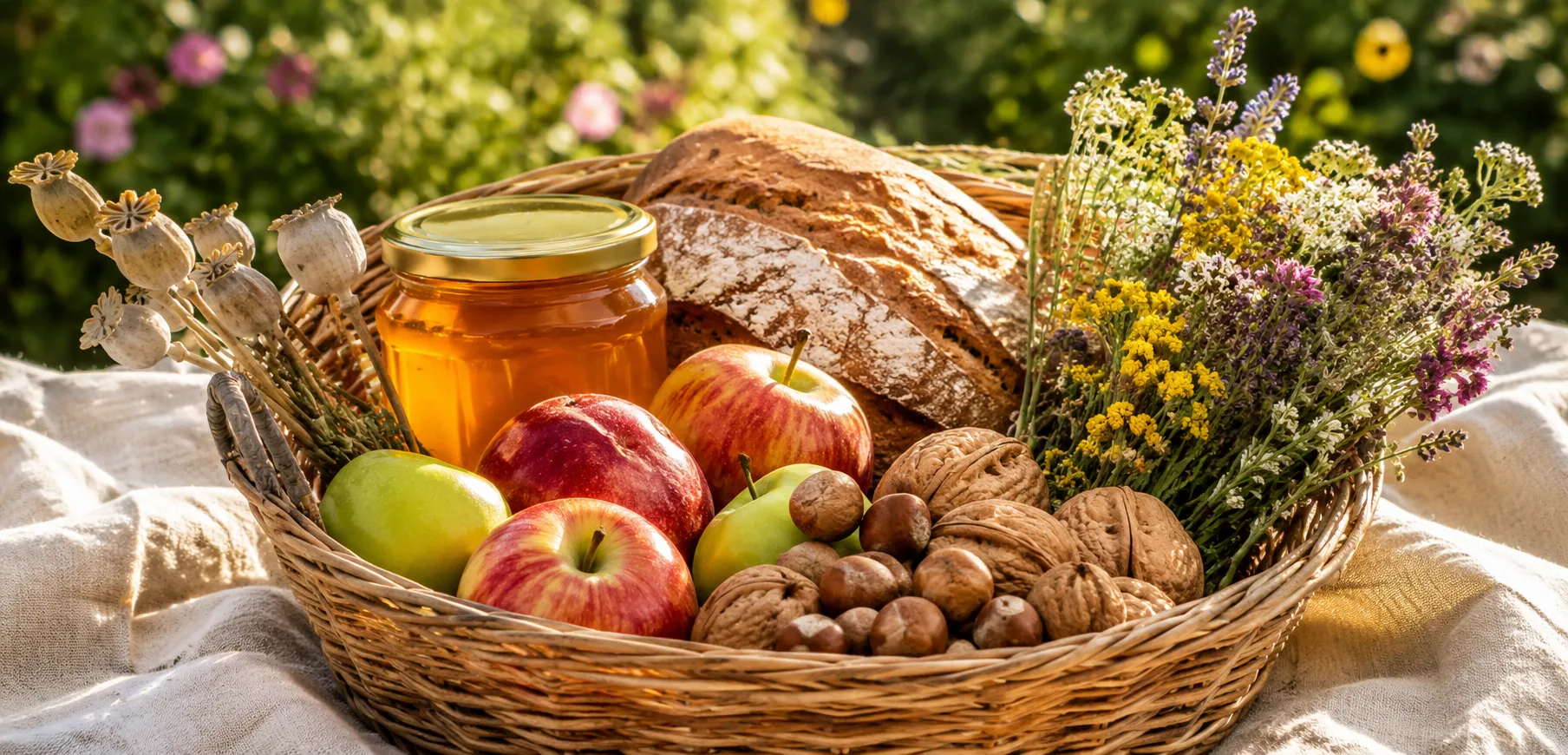
According to folk tradition, people would bring bread, nuts, honey, seasonal fruits, and other products of the new harvest to the church on this day. Bread held a special place, as it was during this period that it could already be baked from the flour of the new grain. However, it is important to distinguish between the religious significance of the holiday and folk customs. Clergy emphasize that the main focus of this day is not the assortment of food in the basket, but prayer, participation in the divine service, and the spiritual significance of the holiday. The blessing of food is a tradition, but it is not the core essence of the Feast of the Transfiguration of the Lord.

Що освячують на Горіховий Спас


Therefore, the festive basket should not be viewed as a kind of mandatory checklist. People may bring seasonal foods that they wish to share with family or loved ones and, after the blessing, enjoy them during the festive meal.

What Traditions Are Associated with Nut Spas?

In folk culture, the Third Spas marked the time when summer fieldwork was gradually coming to an end. After the harvest, people began preparing for fall, gathering vegetables, fruits, and nuts, and stocking up on provisions. Therefore, the holiday was also seen as a kind of transition from summer to the new season. The table might feature fresh bread, nuts, honey, fruit, and homemade baked goods. They baked loaves, pies, and other dishes using fresh flour. Nuts were added to baked goods or simply served at the table.

Які традиції пов’язані з Горіховим Спасом


Traditionally, this day was also considered a time to give thanks for the harvest. People gave thanks for what they had managed to grow and gather over the summer, and they might give some of the produce to those in need. In some regions, fairs were held where linen, fabrics, and various household goods were sold. It is precisely these fair customs that are associated with the name “Linen Spas.”

Can You Work on August 16?

Contrary to common popular belief, a church holiday does not mean that a person is strictly forbidden from working. If work is necessary or a person has a scheduled workday, this is not considered a violation of the holiday. Clergy advise, above all, not to forget the spiritual aspect of the day. At the same time, in folk tradition, people tried to spend the holiday more peacefully, avoiding unnecessary hustle and bustle and arguments. After the service, people returned to their families, prepared meals, socialized, and wrapped up seasonal tasks.

 Горіховий Спас 2026


Therefore, claims about dozens of strict prohibitions that supposedly must be observed on this day should be taken with a grain of salt. Some of these rules are actually folk superstitions rather than church requirements.

Nut Spas and the End of Summer

In the folk calendar, the Third Spas has a special atmosphere. It is no longer the middle of summer, with many warm weeks ahead, but a time when nature is gradually transitioning into fall. The harvest is coming to an end, late-season fruits are ripening, and farmers begin actively stocking up on supplies. That is why the holiday was associated not only with the harvest but also with hard work. Once the harvest was complete, it was necessary to put the farm in order, prepare food for the cold season, and ensure a good harvest for the coming year.

Горіховий Спас 2026: історія, традиції та привітання


For Ukrainian villages, this had a very practical significance. Bread, grain, nuts, honey, vegetables, and fruits were not just part of the festive table but the foundation of a family’s daily life. Therefore, giving thanks for the harvest was a natural part of folk culture.

Interesting Facts About the Third Spas

  • First, the holiday has several names. The best known are the Third Spas, Nut Spas, Bread Spas, the Spas Not Made by Human Hands, and Spas on the Canvas. They originated from various sources: church history and the folk calendar.

  • Second, the Nut Spas is not a separate church holiday about nuts. The “nut” name is a folk term. The church significance of the day is associated with the Transfer of the Image of Christ Not Made by Human Hands.

  • Third, the holiday marks the end of the August cycle of the Saviour feasts. After it, summer gradually gives way to autumn, and people’s daily concerns shift.

  • Fourth, the date of August 16 for Ukrainians is the result of a calendar change. Previously, this holiday was celebrated on August 29, but after the OCU and the UGCC switched to the New Julian calendar, its date shifted by 13 days.

  • Fifth, the main name of the holiday is much older than the modern tradition of blessing food. The church feast is based on the story of the Image of Christ Not Made by Hands and its transfer from Edessa to Constantinople.

How to Celebrate Nut-Giving Day in 2026

You can start the day by visiting a church and praying. If possible, spend time with your family, bake fresh bread or homemade pastries, and use seasonal nuts, honey, or fruit. You can also simply have a quiet family lunch without any unnecessary fuss.

Горіховий Спас 2026: привітання


It’s a good tradition to share food with others. You can give part of your harvest to loved ones, neighbors, the elderly, or those who are struggling right now. This makes much more sense than trying to follow as many superstitious rules as possible. Moreover, Nut Spas is an occasion to remember that behind the holiday’s ecclesiastical name lies the story of the Image Not Made by Hands. Therefore, its meaning extends far beyond nuts, bread, or a festive basket. August 16, 2026, is first and foremost a day of remembrance of Christ, and in folk culture, it is also a time to give thanks for the harvest and the completion of summer work.

Read us on Telegram and Sends

Download our app