
Diesel prices may exceed 100 UAH per liter; an expert explains why
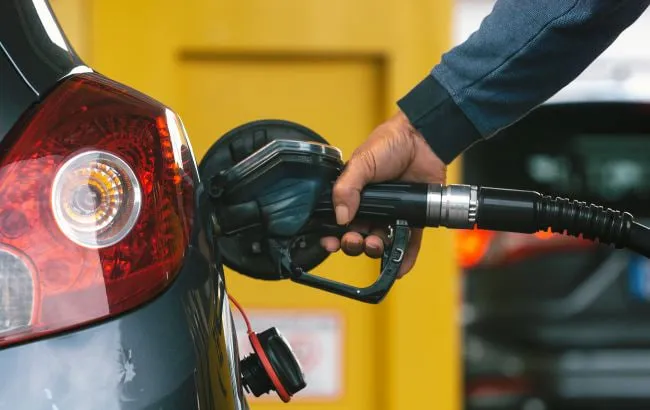
The price of diesel fuel in Ukraine has already approached the 100 UAH per liter mark, and it may exceed that level in the near future.
At the same time, the rise in fuel prices is being somewhat held back by the government’s consultations with market participants, as well as a decline in global prices after they reached historic highs.
– Diesel has come very close to 100 UAH per liter—the so-called psychological threshold. Should drivers expect it to cross the 100 UAH mark in the near future, and how much higher could the price go?
– The likelihood of this is very high. In fact, the price should already be higher. But we see that consultations with the government are ongoing; they are still looking for ways to keep prices in check.
Yesterday, for example, the Cabinet of Ministers adopted a very substantial package of resolutions aimed, in particular, at insuring military risks, providing preferential loans for the construction of energy and fuel sector facilities, as well as addressing the consequences of enemy attacks and replenishing working capital.
Prices are rising here due to record-high prices across the entire oil industry—the highest in history. This week, that record stood at $1,644 per metric ton. And the day before yesterday, gasoline prices hit a historic high of $1,377 per metric ton. This is driving prices up worldwide.
Currently, diesel prices have been put on hold in the hope that the global price will reverse course. Over the past two days, it has indeed dipped slightly, but the calculated cost still indicates potential for further growth. And for now, it remains above 100 UAH.
– We’re seeing gasoline prices rise rapidly. How much higher could they go, and why is gasoline getting more expensive every day while diesel is holding steady at 99.90 UAH?
– Because companies don’t want to cross that threshold. And for gasoline, there isn’t such a psychological threshold yet.
I think the current price of 92 UAH is, in principle, already the ceiling for this grade of gasoline. I don’t think it will rise any higher than that. Especially now, if the global market calms down a bit, I don’t think the price will go any further.
– What determines how long fuel prices will stay this high, and is there a chance they’ll come down after all?
– They depend on global fuel prices. Prices are skyrocketing everywhere. In Germany, prices have hit a record high of 2.5 euros. In France, there are already shortages at gas stations—there isn’t enough diesel fuel. In the U.S., they’re already discussing a ban on diesel exports because the price in some states is already over eight dollars per gallon.
No one has ever seen prices like this before. We are no exception. What’s happening here is the same as what’s happening all over the world. If the price of oil falls, fuel prices will fall, and our prices will go down as well.
And that, in turn, depends on how events unfold in the Middle East. It’s very difficult to make any predictions here.
– Are gas stations currently operating at a loss? If so, which ones, and is there a risk they might close or cut corners on quality?
– I think the situation varies depending on the chain.
Large national companies have fuel reserves—that is, cheaper fuel. Accordingly, they can blend these cheaper reserves with more expensive new shipments.
Small companies, however, have no stockpiles. They only have expensive new shipments. And so they’re clearly operating at a loss: they’re buying wholesale today at 96–97 UAH and selling at 98–99 UAH. That means they have a markup of 1–2 UAH. And this is despite the fact that 3 UAH covers the gas stations’ operating costs. So, 1 UAH is your loss.
National chains, on the other hand, are hovering around break-even. Thanks to their remaining old inventory, they’re still, in principle, breaking even. But, again, every day these old, cheap stocks are dwindling, while the share of expensive new supplies is increasing.
– What should drivers prepare for by the end of fall? Will prices stabilize, or should we expect another wave of price hikes?
– No one knows; it all depends on how events unfold in the Middle East and a host of other related factors.
The only thing that’s absolutely certain is that the Russians are stepping up their attacks on our fuel sector. They’re looking for weak spots; they’re looking for ways to paralyze our fuel supply. And we need to be prepared for that.
And there’s only one way to prepare for this—by maintaining a fuel reserve. From ordinary drivers to municipalities, local communities, and industrial consumers—everyone should have a reserve if they have the means to store it.
This is so that, in the event that a supply channel is neutralized or destroyed, we can hold out for a week or two until we restore full-scale deliveries.
And this can be achieved with a stockpile. That’s why we need to build up reserves—everyone should do what they can.
And most importantly, since these are reserves, they’re not really just a waste of money. You’ll use that fuel anyway; it won’t go bad. Even if it isn’t needed, it can still be used.
Serhiy Kuyun, director of the A-95 Consulting Group, discussed the situation on the fuel market and the possible rise in diesel and gasoline prices in a brief interview with RBC-Ukraine.
Fuel prices in Ukraine have risen again: prices at gas stations on September 18.
As a reminder, restaurants are preparing for higher food prices and operational disruptions this winter.
Potato prices have risen in Ukraine: prices have increased by 15%.
New potatoes have become significantly cheaper at the capital’s market: here’s the price per kilogram.


