
A laboratory head who was planning a terrorist attack for the FSB was convicted in Kharkiv
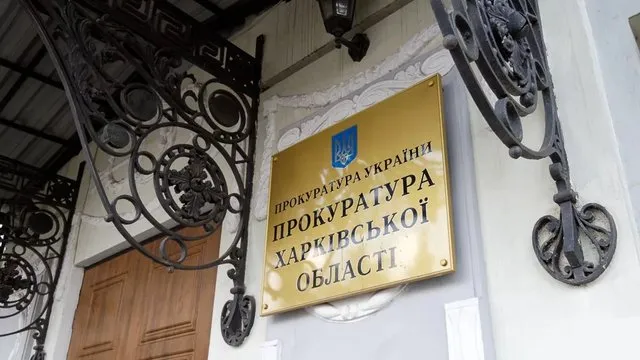
In Kharkiv, a court sentenced the head of a laboratory at a local university, who was working for Russia’s FSB, to 15 years in prison. According to the investigation, he manufactured homemade explosive devices, gathered information on Ukrainian military personnel, and planned a terrorist attack against the police.
A court in Kharkiv handed down a sentence to the head of a laboratory at one of the local universities, who was found guilty of treason and planning a terrorist attack on behalf of Russia’s FSB. The man was sentenced to 15 years in prison with confiscation of his property. According to the case file, in early 2025, the man made contact via Telegram with a representative of the Russian intelligence service. As the investigation established, he agreed to cooperate in exchange for promises of money, assistance in traveling to the temporarily occupied city of Khartsyzsk, obtaining a Russian passport, and protection from mobilization.
According to the prosecutor’s office, his handler assigned him several tasks. First and foremost, the man was to manufacture explosive devices and gather information about Ukrainian military personnel. The investigation found that, following instructions from the FSB representative, he purchased the necessary components and assembled three homemade explosive devices right in his office at the university.
To make the explosives more dangerous, the man filled them with nails, bolts, nuts, and self-tapping screws. The devices themselves were disguised as everyday items—a volleyball, a thermos, and plastic pipes. According to the investigation, he then left the explosives at predetermined locations in Kharkiv. From there, the direct perpetrator was to retrieve them to carry out a terrorist attack at one of the district police stations.
In addition, the convicted man carried out reconnaissance missions. He monitored the grounds of Kharkiv’s universities, checked whether Ukrainian military personnel or equipment were present there, photographed and filmed the sites, determined their coordinates, and relayed the information to his handler. As the investigation established, the man received 16,000 hryvnias from an FSB representative for the work he performed.
In June 2025, law enforcement officers detained him while he was attempting to plant another explosive device near a residential complex. The explosives were discovered in time and defused by bomb disposal experts. During the trial, the defendant fully admitted his guilt.
The court found him guilty under several articles of the Criminal Code of Ukraine, including high treason, the illegal manufacture, acquisition, and storage of explosive substances, as well as aiding and abetting the preparation of a terrorist act. “The court sentenced him to 15 years in prison with confiscation of property,” the Kharkiv Regional Prosecutor’s Office reported. The verdict has already been handed down by the court, but it may be appealed in accordance with the procedure established by law. This was reported by the Kharkiv Regional Prosecutor’s Office.
Here’s a reminder of the requirements for digitizing employment records.
The Pension Fund of Ukraine also explained what will happen to the non-digitized work history records of Ukrainians.


