
Supermarket shelves in Kyiv have been emptied following Russian strikes – NYT
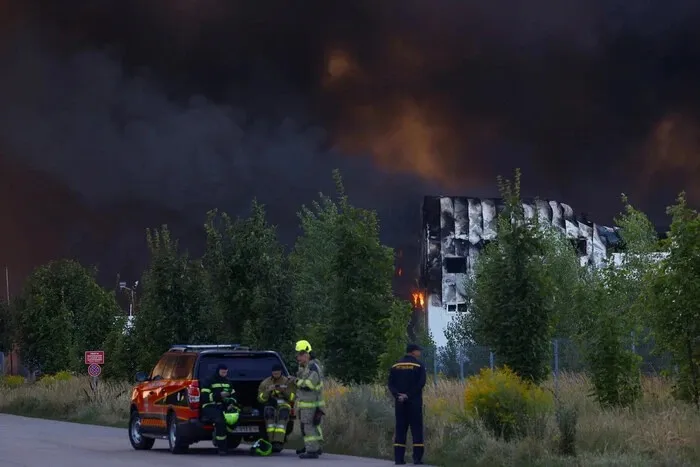
Russian strikes on large food warehouses have caused disruptions in the supply of goods to stores in Kyiv. Shoppers in some of the capital’s supermarkets have already noticed empty shelves; in particular, certain types of grains, fresh herbs, and other products were temporarily out of stock.
Noticeable disruptions in the wide range of products available in the capital have become apparent for the first time in a long while. The last time Kyiv residents faced such serious supply problems was in the first months following the start of Russia’s full-scale invasion in 2022. This does not mean that products have completely disappeared from stores. However, some familiar items are temporarily not making it onto the shelves or are appearing there in smaller quantities.
The New York Times cites one of Kyiv’s Silpo supermarkets as an example. This week, the store was out of pearl barley, buckwheat, quinoa, and rice. Shoppers also couldn’t find green onions or pre-packaged salad. For shoppers, this means that the usual selection in stores has shrunk. At the same time, the situation may vary depending on the retail chain, neighborhood, and specific store.
Russia Struck Large Warehouses
One of the main causes of supply problems has been Russian strikes on large distribution centers through which food reached retail chains. The New York Times reports that on August 5, Russian missiles struck at least four warehouses belonging to a single company. This company supplied food to several retail chains at once.
At least six employees were killed in the attack. The warehouses themselves and other infrastructure were severely damaged. Such facilities play a crucial role in the operation of stores. Significant volumes of goods pass through these large distribution centers before being delivered to supermarkets in various cities.
Therefore, damage to several large warehouses at once quickly affected the supply chain. Stores continue to operate, but certain products may not reach the shelves in their usual quantities.
Problems have arisen not only in the capital
The effects of the strikes were felt most noticeably in Kyiv. The capital is one of the country’s largest consumer markets, so any disruptions in the operations of major suppliers quickly become apparent to shoppers. At the same time, food supply issues have arisen in other regions of Ukraine as well. The New York Times, for example, mentions Zaporizhzhia.
The situation illustrates just how profoundly Russian strikes on civilian infrastructure can affect not only cities directly but also people’s daily lives. Damage to a warehouse far from a store can ultimately mean that a shopper in the capital won’t find their usual product on the shelf.
So far, the issue has been specific shortages of certain goods, rather than a general food shortage in Kyiv. Retail chains continue to operate and restore supplies, but the effects of the strikes on warehouse infrastructure are still being felt, according to The New York Times.
The Russian attack last night was one of the most cynical and large-scale strikes against Ukraine, said Volodymyr Zelenskyy.
In Kyiv’s Darnytskyi district, near the “Auchan” hypermarket on Zdolbunivska Street, a dangerous object was discovered which, according to preliminary data, may be a cluster munition from an X-101 missile.




