$ 44.86 € 51.11 zł 11.91
+32° Kyiv +32° Warsaw +32° Washington

The fuel crisis in Crimea has worsened: a chronicle of the return to the home port
UA NEWS 01 July 2026 15:56
The fuel crisis in Crimea has worsened: a chronicle of the return to the home port

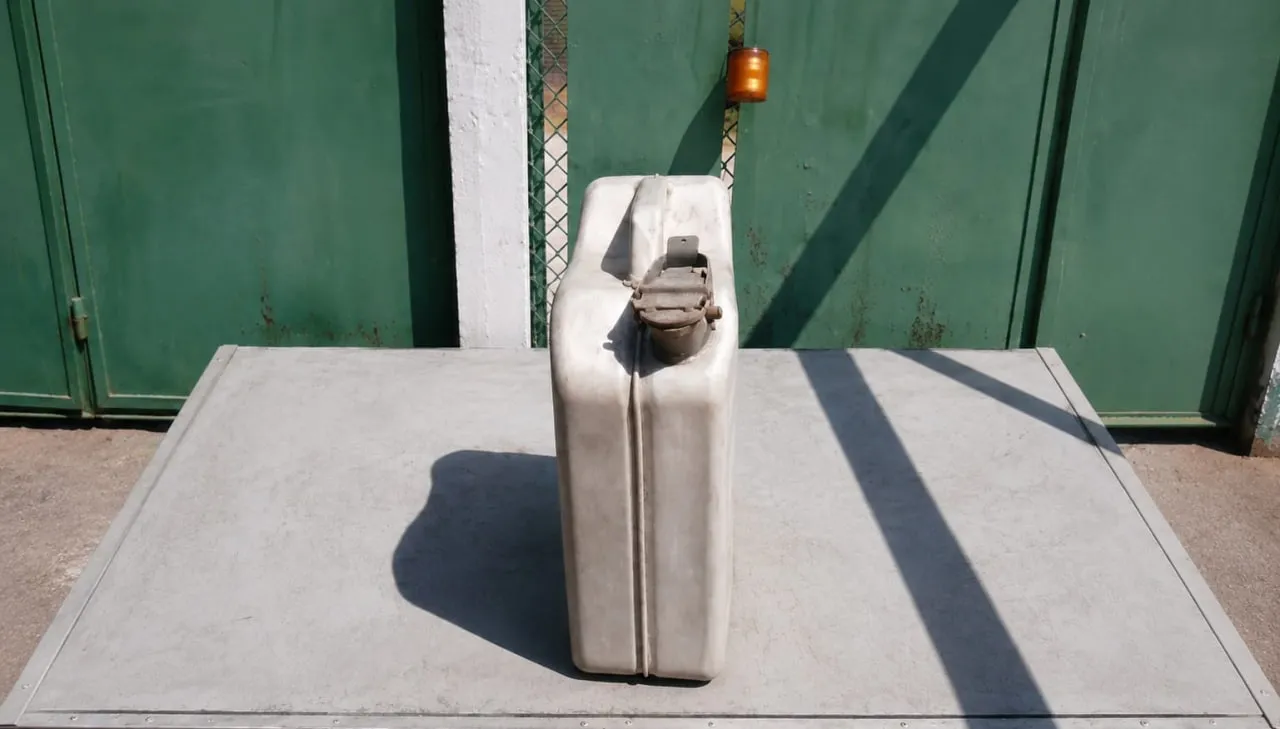
Russia’s largest gas station chains have stopped selling fuel to private customers in the temporarily occupied Crimea and the Krasnodar Krai. These include Gazprom, Lukoil, and Rosneft gas stations, where high-quality gasoline was previously available. Now, fuel can only be purchased at little-known gas stations, where the quality of the fuel has long been questionable. At the same time, even there, strict restrictions have been imposed: gasoline is dispensed only directly into the vehicle’s fuel tank or into a 20-liter metal canister. Gasoline is not dispensed into plastic containers, even if they meet all requirements for fuel storage and transportation.

However, gasoline dealers are also showing remarkable ingenuity. According to our sources, in Stary Krym, Sudak, and Kefe (Feodosia), fuel is available at all gas stations, but selling it is prohibited. On June 29, some of them began selling gasoline for 175 rubles per liter (the official price remains 69–72 rubles). However, within just a few hours, “the shops closed”: it is much more profitable for sellers to continue selling fuel through intermediaries, since farmers and private entrepreneurs are willing to pay 300–400 rubles to avoid going bankrupt.

There is currently no shortage of food or medicine—the occupying authorities are bringing them in, as their primary concern is to prevent panic. But prices continue to creep upward. Few people doubt anymore that the price increases for grains, oil, and flour will be limited to a 1.5-fold rise; most likely, prices for non-perishable goods will double. 

Imports of other goods to Crimea have stopped because logistics costs eat up all potential profits. Wildberry, Ozon, and other marketplaces are offering 400,000 rubles—equivalent to 5,000 euros—for transporting a single truckload from Moscow to Crimea. However, there are still not enough people willing to take on the job. Drivers are refusing to take the “Rostov–Mariupol–Melitopol–Crimea” route, which is already being called the “truckers’ mass grave” due to Ukrainian fire control. 

The situation is no better in the Krasnodar Krai. The main fuel supply route to Crimea has itself turned into a no-go zone. The two largest oil depots in the region—the Novorossiysk depot, owned by Rosneft, and the Krasnodar depot, owned by Transneft—are under constant aerial attack by the Ukrainian Armed Forces.

This was reported by the Crimean civic media outlet Cemaat.

As a reminder, the fuel shortage in Crimea has triggered a wave of mass layoffs and business closures.

Earlier, the Russian presidential administration sent special “recommendations” to state-run and pro-government media outlets regarding how exactly to report on the fuel shortage in the country.

The fuel crisis is also intensifying in Russia: gasoline is disappearing from gas stations and lines are growing.

Russia has allowed the use of lower-quality gasoline due to the fuel crisis.

Read us on Telegram and Sends

Download our app
