
There is a debate in Norway about energy drinks for teenagers
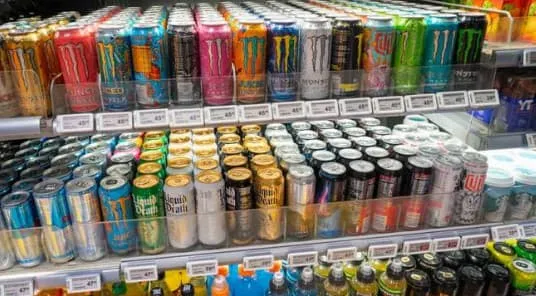
In Norway, the issue of energy drinks for teenagers has resurfaced following a new study that revealed their high popularity among 13- to 15-year-old students. Authorities acknowledge that the current ban on sales to children under 16 may not be sufficient.
A new study in Norway has shown that energy drinks have become a regular part of life for a significant number of teenagers, and this is already causing serious concern among medical professionals and the government, as this is not a matter of isolated cases but a steady trend of increasing consumption among schoolchildren.
According to the Norwegian Institute of Public Health, by 2025 the number of young people who regularly drink energy drinks has increased again, and among the surveyed teenagers aged 13–15, more than half admitted to having consumed them at least once, with a significant portion doing so regularly. Particularly alarming is that in 2024–2025, 36% of adolescents in this age group reported consuming energy drinks at least once a week, and 7%—daily, which, according to experts, may already be affecting their health and sleep patterns.
Researchers emphasize that the main problem is the high caffeine content, which, if consumed regularly, can exceed safe levels for children, leading to sleep disturbances, increased anxiety, and other negative effects on the body.
The study also showed that only a portion of teenagers are aware of the potential harm of energy drinks—only 29% of those surveyed said they avoid consuming them late at night, while others do not see this as a particular problem.
Experts emphasize that it is precisely this low level of awareness that complicates the situation, as children often perceive such drinks as ordinary products rather than as a source of increased strain on the body.
Since the beginning of the year, Norway has banned the sale of energy drinks to teenagers under 16, but the study covered a period when the new rules were just being implemented, so it is difficult to assess their actual impact at this time.
Health Minister Jan Christian Vestre acknowledged that the findings are cause for concern, but at the same time stated that the decision to impose restrictions was the right one and has already begun to change the situation. “At the same time, I am very pleased that the government has banned energy drinks for children and young people under 16. I think the study clearly proves that this was absolutely the right decision,” the minister said.
Authorities do not rule out that the current restrictions may not be sufficient and will continue to analyze the situation to determine whether to tighten the age limits or introduce additional measures.
At the same time, the government is considering softer measures, such as educational campaigns for children and parents about the risks of excessive caffeine consumption, as they believe that a ban alone does not always fully solve the problem. “Additional measures may be needed,” added Jan Christian Vestre. This is reported in an NRK article.
Ukrainians are gradually leaving the Polish labor market, and their positions are increasingly being filled by workers from Asia and Latin America. Experts warn that even after the war ends, it may be more difficult for Ukrainians to return to work in Poland.


