
Rail freight traffic fell by 6% despite an increase in grain shipments
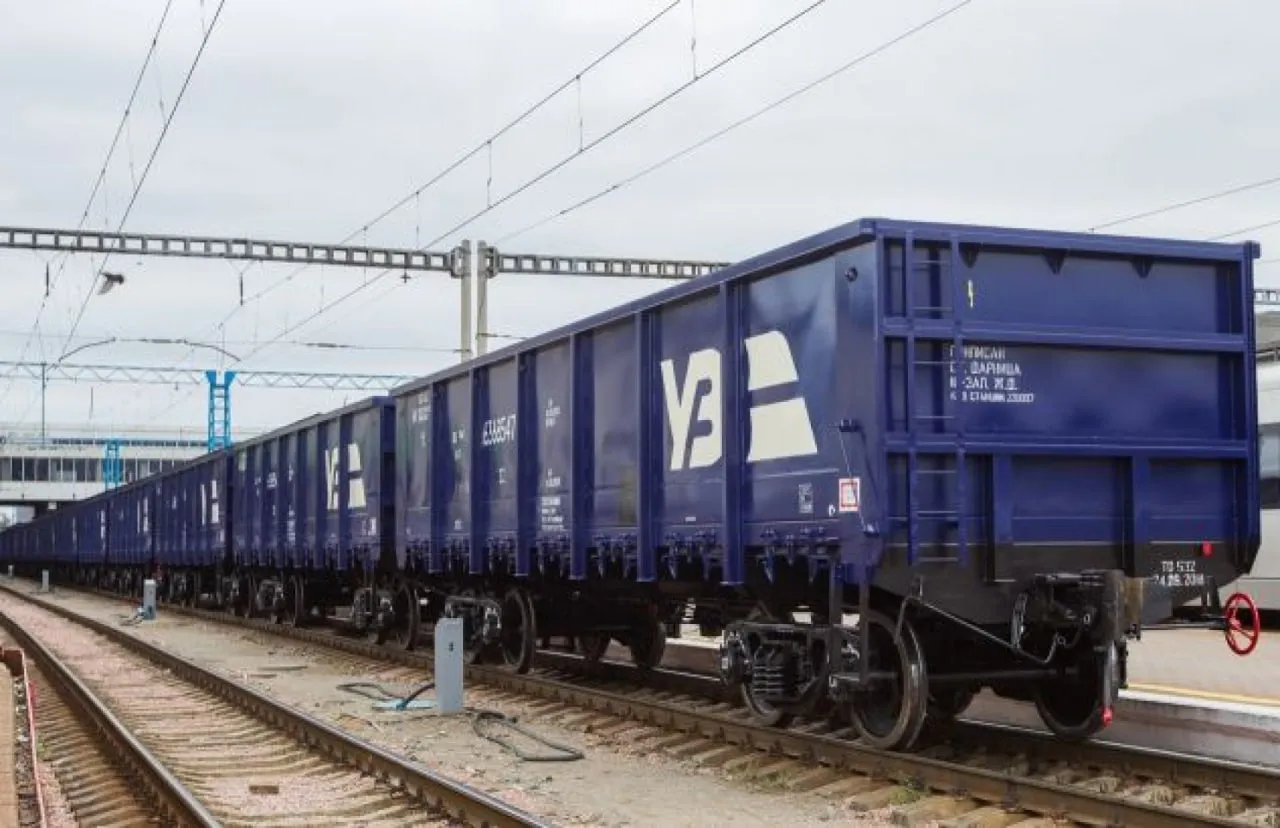
In the first half of 2026, rail freight traffic declined by 6.2% compared to the same period last year. During this time, 74.7 million metric tons of freight were transported by rail.
The sharpest decline was recorded in the transportation of ore, coal, and construction materials. At the same time, grain shipment volumes increased.
These figures were announced by Valery Tkachov, Deputy Director of the Department of Transportation Technology and Commercial Operations at JSC “Ukrzaliznytsia,” during a meeting between company representatives and the European Business Association and the American Chamber of Commerce on July 21.
The main factors behind the decline were lower volumes of:
iron ore and manganese ore—by 6.1 million metric tons;
coal—by 1.5 million metric tons;
construction materials—by 1.3 million metric tons.
At the same time, the railway increased grain shipments by 2.7 million metric tons and oil and petroleum products by 1.4 million metric tons.
Export and domestic cargo account for the largest share of shipments. Over the first half of the year, 35 million metric tons were shipped for export, or 47% of the total volume. Domestic shipments totaled 32.4 million metric tons, or 43%.
Railway exports for the first half of the year fell by 9.6% compared to the same period last year. The sharpest declines were seen in the transportation of:
iron and manganese ore—by 5.3 million metric tons, or 31%;
cement—by 400,000 metric tons, or 45%;
ferrous metals—by 30,000 metric tons, or 1.2%.
At the same time, export shipments of grain increased by 19.5%.
A total of 22.6 million metric tons of export cargo was transported by rail to the ports of Greater Odesa. This is 8.7% less than in the first half of 2025.
Exports via western border crossings also declined—by 9.7%, to 11.6 million metric tons. A total of 800,000 metric tons of cargo was exported through the Danube ports, which is 28.2% less than last year.
“As of today, the Greater Odesa region remains the main destination. After all, the largest volume of cargo is headed precisely to the ports of Greater Odesa. But over the past two weeks, we have seen an intensification of attacks on port infrastructure and ships. This is leading to a sharp drop in cargo transportation and handling specifically at the ports of Greater Odesa,” Tkachov noted.
This information is reported with reference to RAIL.insider.
Germany’s railways under attack: over 2,200 incidents in half a year.
German Foreign Minister Johann Wadepuhl stated that Russia is actively expanding its military presence in the Arctic, and its capabilities in this region should not be underestimated.


