
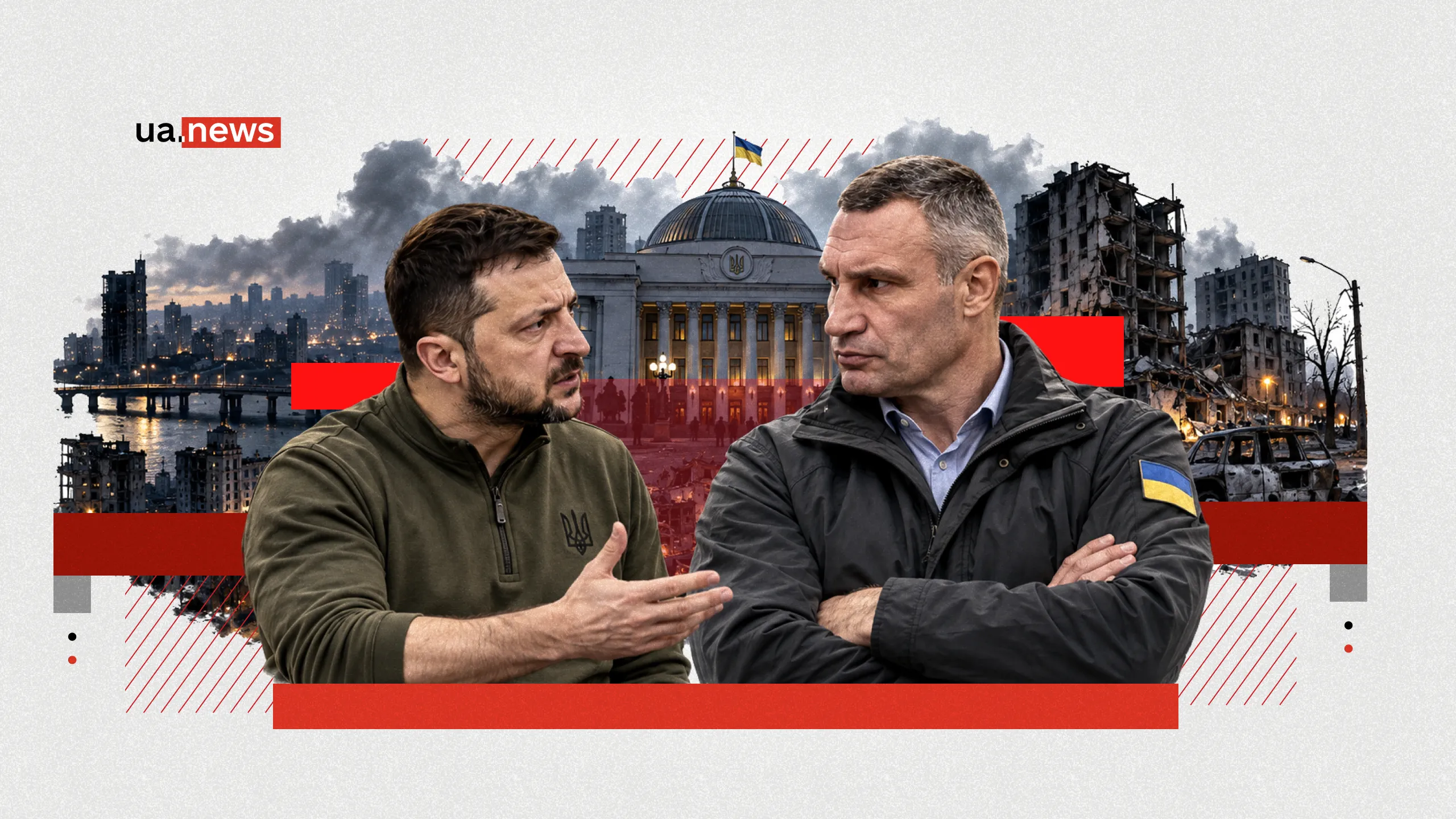
On October 14, just a couple of weeks before the expected start of the heating season, the Verkhovna Rada summoned Kyiv Mayor Vitali Klitschko to find out how the capital was preparing for winter. Or rather, to lay the groundwork in advance for future problems related to the capital’s survival during blackouts and cold snaps.
The potential failure of the heating season and attempts to shift the blame onto someone else have become key elements in the political standoff between the Office of the President and the Kyiv city government. Meanwhile, practical solutions that could help Kyiv residents get through this winter have been pushed far into the background. Instead, people are largely being urged to fend for themselves or leave the capital.
UA.News sought to determine whether Kyiv will be ready for winter and what lawmakers and industry experts are saying about Mayor Vitali Klitschko’s report to parliament.
Political Conflict Instead of Winter
Preparations
“As of mid-October, across virtually the entire country—even in border and frontline regions—the implementation of resilience plans is ahead of schedule compared to Kyiv,” Volodymyr Zelenskyy stated on October 13, adding that he is preparing administrative decisions regarding the situation in Kyiv. That same day at Bankova Street, he held meetings with former SBU head Vasyl Malyuk, Ivan Fedorov, head of the State Agency for Reconstruction; Kharkiv Mayor Ihor Terekhov; businessman Kostyantyn Yefimenko; and former MP Maksym Yefimov.
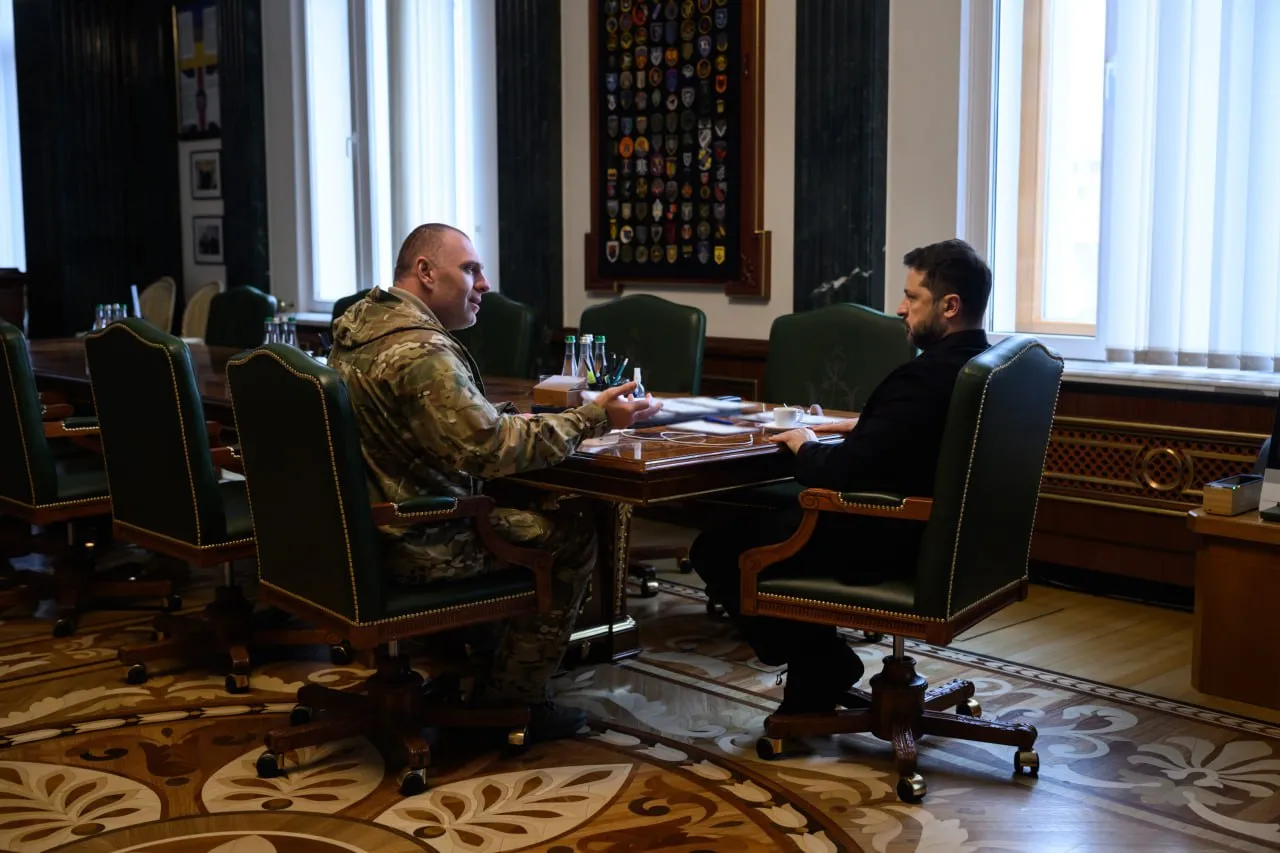
Against the backdrop of the president’s critical statements, there was active behind-the-scenes discussion of Vasyl Malyuk as a candidate for the position of head of the Kyiv City Military Administration (KCMA).
Meanwhile, Mariana Bezugla, a member of parliament from the “Servant of the People” party, called on lawmakers to summon Kyiv Mayor Vitali Klitschko to a session to give a report. “Do you see what’s happening to the capital? We’ve never even heard Klitschko out,” she said.
In response, Klitschko spoke of pressure on the city’s authorities and attempts to destroy local self-government in Ukraine. He claimed that pro-government media outlets are deliberately spreading baseless accusations about the disruption of the heating season in Kyiv.
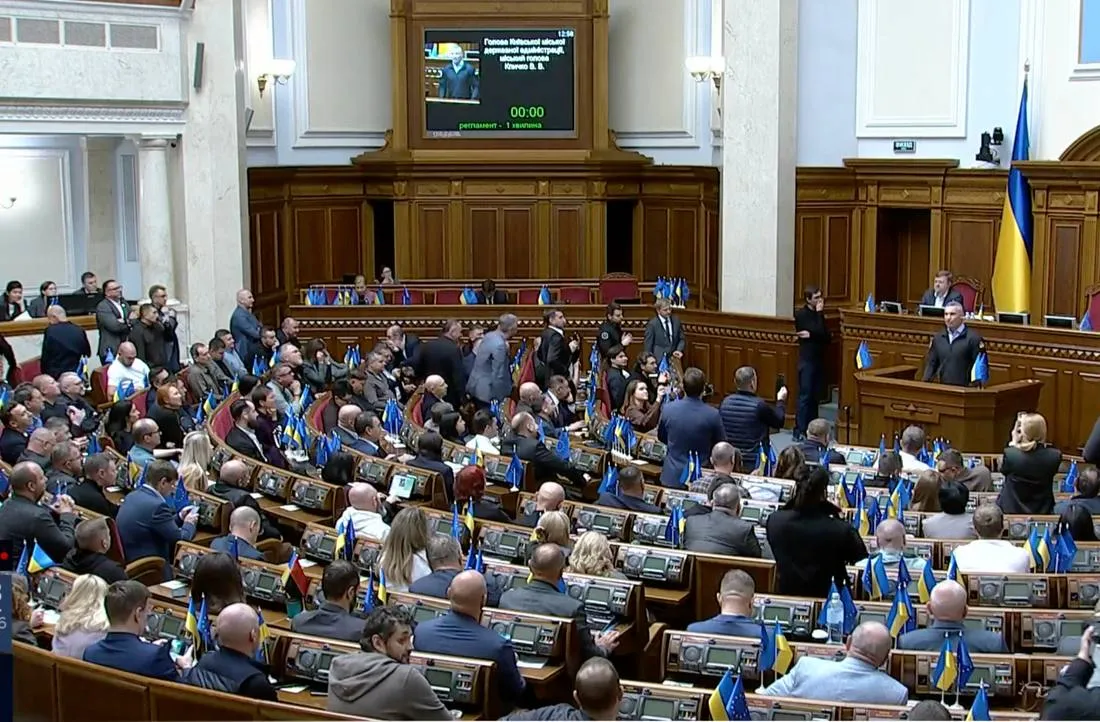
On October
14, Klitschko publicly reported from the rostrum of the Verkhovna Rada on the capital’s preparations for winter, as well as the intensity and consequences of Russian attacks. For the most part, he read out dry statistics from the Kyiv City State Administration, some of which had been announced earlier.
According to the mayor, the number of missile and drone strikes on Thermal Power Plants No. 5 and No. 6 has increased significantly: “In 2022, 12 missiles and UAVs struck these two facilities. In 2023—7. In 2024—zero. In 2025—19. This year alone—already nearly 50 missiles and drones!”
The mayor also reported that Kyiv has completed its priority energy resilience measures. For heating and water supply facilities, nearly 700 generators, 70 mobile boiler rooms, 3 diesel power plants, and a backup water intake have been installed, and “Kyivvodokanal” has received 103 generators. The capital’s educational institutions are also equipped with generators, 285 of which are high-capacity units. Hospitals also have backup power—480 generators—and by the end of the year, 21 hospitals will have their own boiler rooms.
Klitschko stated that accusations of disrupting the heating season are part of a political campaign against local self-government. He demanded an explanation of where the air defense system to protect the capital is, and also accused the central government of blocking funding.
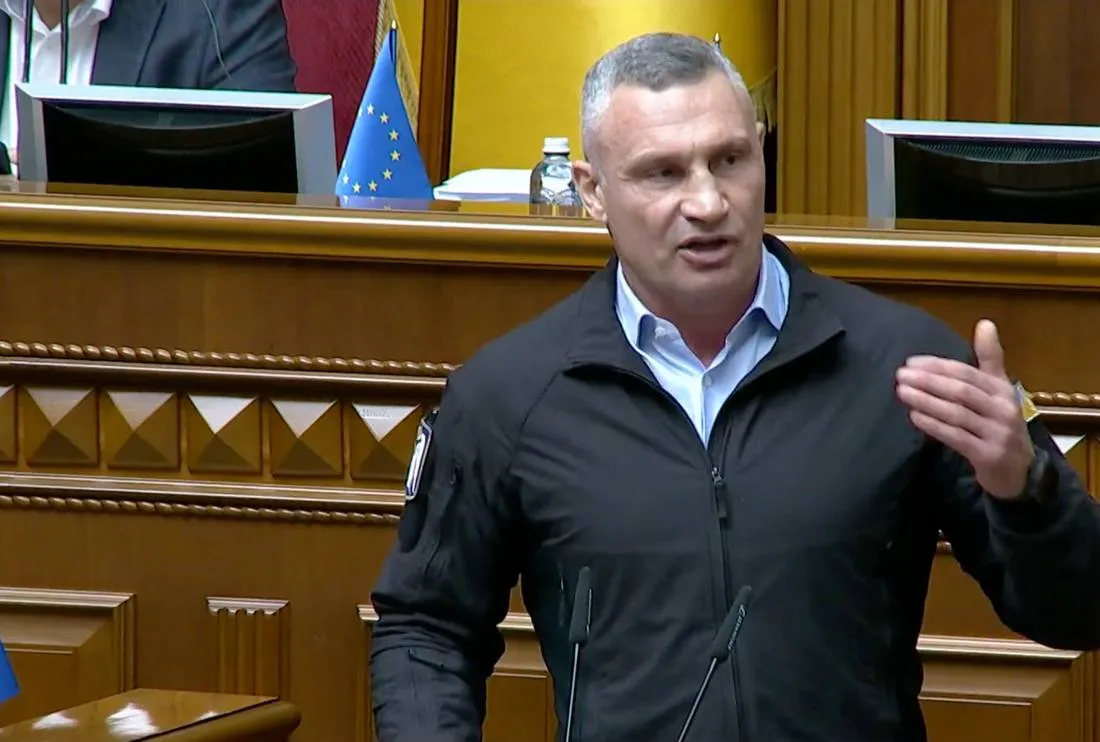
“This year, we were preparing amid enemy shelling and under the conditions of a spectacle that the authorities staged with the Resilience Plan—a campaign of lies claiming that Kyiv is supposedly not functioning and doing nothing. With the blocking of funds, which has frozen numerous energy resilience projects and delayed their implementation. And not just in the capital. This situation exists in many communities, where the suspension of payments is, in effect, crippling municipal services,” Klitschko stated from the podium.
Vitali Klitschko’s speech lasted five minutes. The key point was that the procedure for speaking in parliament does not allow for questions from lawmakers to fully understand the situation. So far, this seems to have suited the representatives of the ruling majority. Only a few lawmakers managed to speak.
Mariana Bezuhla, who initiated Klitschko’s summons to parliament, stated: “Kharkiv’s budget is about 20 billion, while Kyiv’s budget is over 100 billion per year. He’s coming back, but people have neither water nor shelter to take refuge in. We can’t even ask questions.” The lawmaker added that she had introduced a bill that would allow lawmakers to ask questions of those summoned to the Rada.
“The first round definitely goes to the mayor. And I have a feeling he hasn’t said everything,” commented Yaroslav Zheleznyak, a member of parliament from the “Holos” faction, on Klitschko’s report.
The
End of the Last Heating Season for Kyiv and Resilience Plans
Shifting the issue of winter preparations into the political arena could have tragic consequences, at the very least, for certain districts of Kyiv. Such concerns are entirely justified, given how the previous heating season unfolded.
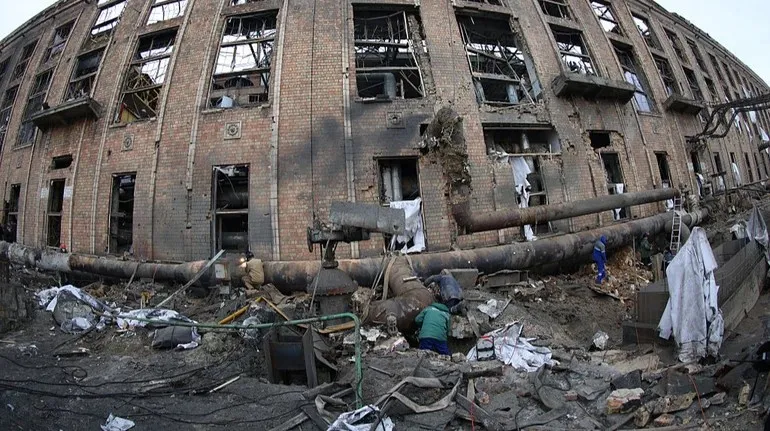
In January 2026, due to heavy shelling and damage to Thermal Power Plant No. 6, the Troieshchyna district of the capital found itself on the brink of a total utility collapse. Without heat, electricity, or water during a period of severe frosts (down to -17°C), approximately 600–700 high-rise buildings—home to nearly half a million residents—were left without services.
The lack of heating led to widespread malfunctions and the risk of freezing in the buildings’ internal plumbing systems and sewer risers. Maksym Bakhmatov, then head of the Desnianska District State Administration, stated that in the event of sewer freezing, city services, together with “Kyivzelenbud,” would be ready to dig cesspools and set up temporary outdoor toilets to prevent a sanitary disaster.
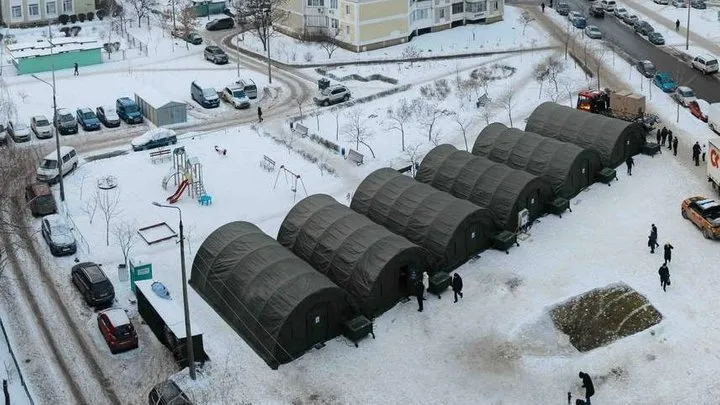
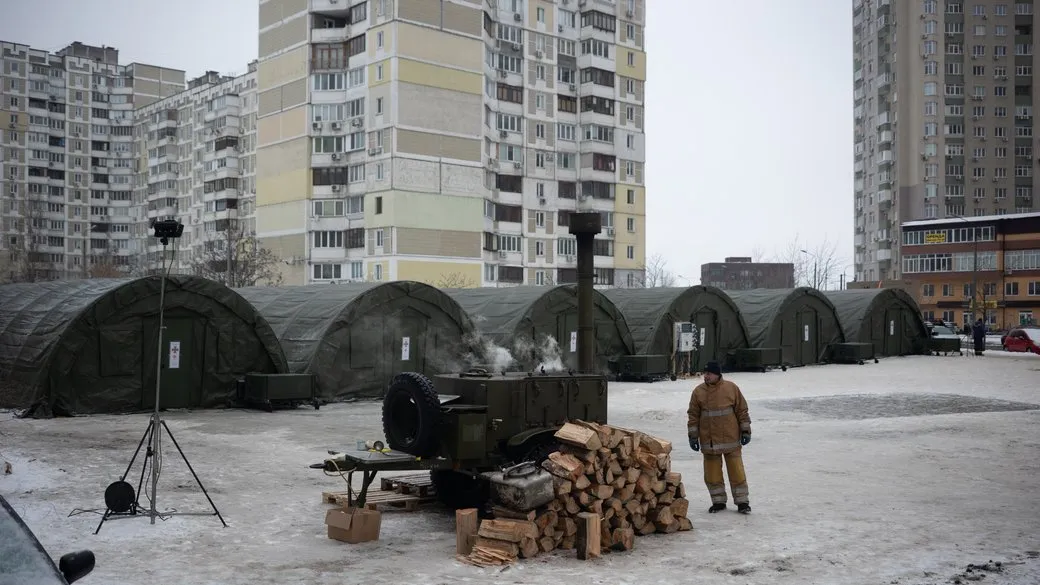
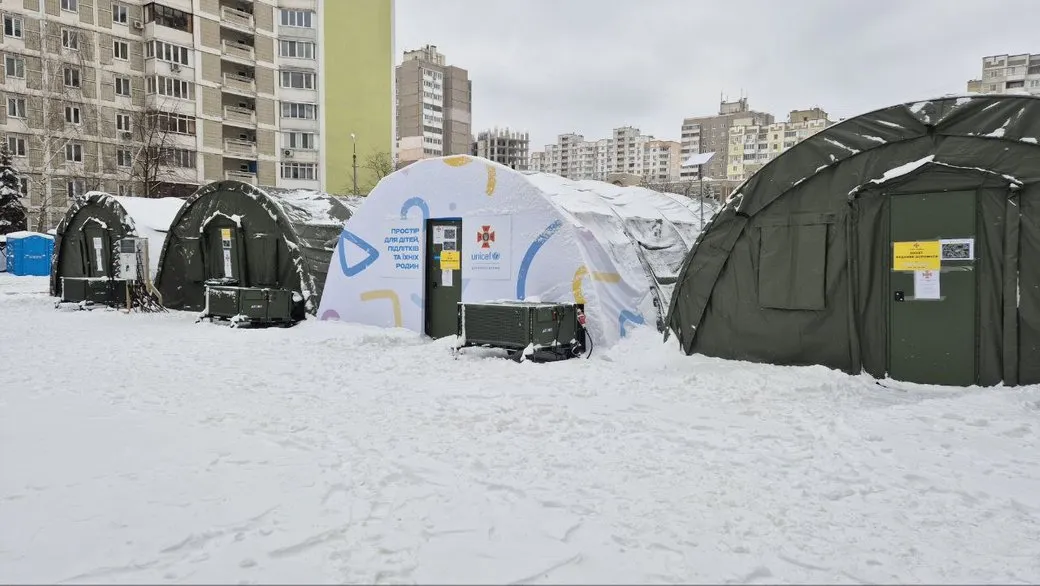
Utility workers had to drain and restart the water supply in the systems several times to prevent the pipes from bursting. The State Emergency Service and city services set up tented warming centers and mobile boiler rooms. At the same time, repair crews from “Kyivteploenergo” worked to gradually restore heat to high-rise buildings.
Fearing a repeat of the previous heating season and amid announcements of the coming “harshest winter,” tension began to mount on social media regarding the inaction and political maneuvering of authorities, both in the capital and at the national level. People who lived through the previous heating season in Kyiv are largely outraged by the lack of contingency plans, transparent oversight of spending, and a basic understanding of how the city prepares for emergencies.
The
situation was further complicated by a government decision that was supposed, on the contrary, to facilitate preparations for winter amid constant rocket attacks and blackouts.
In the spring of 2026, the National Security and Defense Council approved regional resilience plans based on the experience of the previous winter. The cost of implementing these plans was estimated at 216 billion hryvnia, and including Kyiv, the total came to nearly 278 billion hryvnia. The deadline for completion was September 1.
However, journalistic investigations revealed a complicated path for these billions. In particular, according to the European Parliament, most of these funds appeared in the summer. In June, parliament revised the budget and launched a separate program for resilience plans—40 billion hryvnia. The law took effect on June 24, but for the next 54 days, the funds remained unallocated.
It was not until August 17 that the government allocated 35.2 billion hryvnias: 23 billion hryvnias as subsidies to the regions and Kyiv, and 12.2 billion hryvnias to the Recovery Agency. Journalists found no mention whatsoever of the remaining 4.8 billion hryvnias in the published government documents. The subsidies were transferred to the regions’ accounts on August 25, one week before the deadline for implementing the resilience plans.
Even later—on August 31—President Zelenskyy enacted the National Security and Defense Council’s decision on Kyiv’s resilience plan. Officials from military administrations and mayors were warned of their personal responsibility for implementing these plans.
Amid “austerity measures,” the State Treasury temporarily suspended nearly all payments for construction, repairs, and equipment starting September 14. It was not until October 12 that Finance Minister Serhiy Marchenko announced that the government had unblocked funding for the resilience plans, under which regions are purchasing equipment to prepare for winter. Marchenko stated that the Cabinet of Ministers now expects regional leaders to implement the resilience plans in a timely manner.
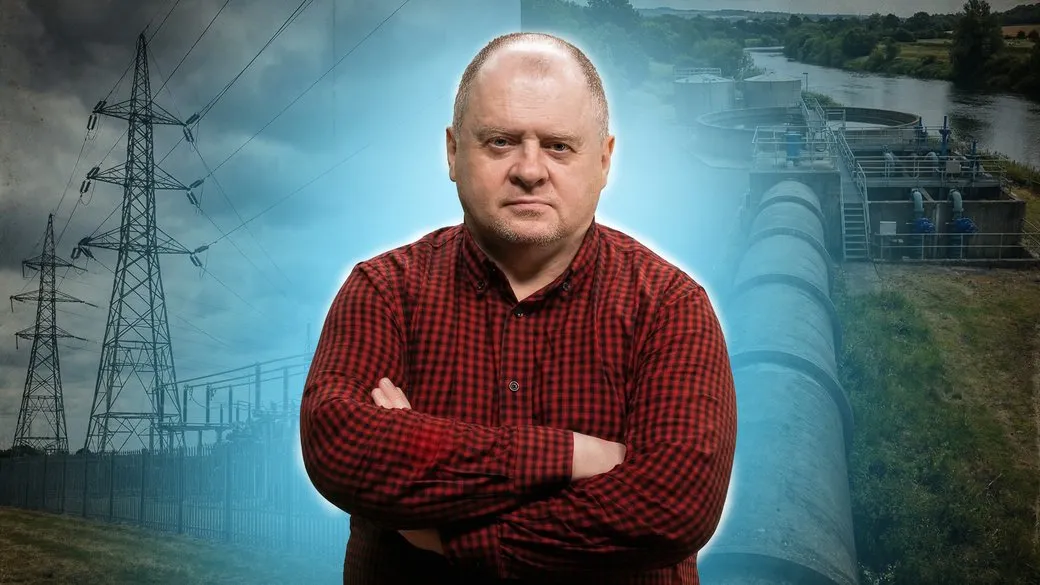
Oleg Popenko: We Won’t Make It Through the Heating Season—All Three Thermal Power Plants
in Kyiv Are Destroyed
Here, we can speak both of political confrontation and of the failure to prepare for the heating season. Responsibility for this lies not only with the Kyiv City State Administration (KCSA) and Klitschko, although their area of responsibility is very broad. But it is also a failure on the part of the State Agency for Infrastructure Restoration and Development and its former head, Serhiy Sukhomlyn. It did not install a single boiler room in Kyiv, even though the KCSA allocated 1.2 billion hryvnias for this purpose, emphasizes Oleg Popenko, head of the Union of Utility Consumers.
“A separate issue is the decision by the Ministry of Community and Territorial Development, which proposed that homeowners’ associations restore boiler rooms on their own. This is an absolutely wrong management decision. I would say it’s complete ‘nonsense.’ As a result, not a single homeowners’ association managed to do anything. The Kyiv City State Administration can also be criticized for the lack of backup power sources at water utilities, boiler rooms, and other facilities. All of this has been dragging on since 2024.
At the same time, according to Serhiy Sukhomlyn, head of the Recovery Agency, no land plots were allocated for the implementation of certain projects. The Kyiv City Council paid absolutely no attention to this issue. Council members were preoccupied with all sorts of things, but certainly not with preparing for the heating season. As a result, we have both political confrontation and management failures at all levels, particularly in the district state administrations.
For example, in Kyiv, 4,000 apartment buildings were damaged as a result of shelling. At the same time, there is no registry of these buildings. What prevented the Kyiv City State Administration and the district administrations from getting together and resolving this issue? It remains unknown how many buildings were damaged after the winter: where heating systems, radiators, pipes, and so on were destroyed. Why is there still no registry? How many such buildings are there—300, 500? No one knows. But this is also part of the preparation for the heating season.
For example, funding has been allocated for backup power sources for apartment buildings managed by property management companies. There are 8,500 such buildings. It’s absolutely right that these funds were allocated. But the question arises: why were they distributed to “Autostrada,” a company that builds roads? It’s hard to understand the logic here. And we’re talking about several thousand apartment buildings. Not all of them need to be equipped with backup power sources, but even in that case, 50–70 crews would be needed to work for several months. Will they be able to get everything done on time?
In other words, there are a lot of questions. Unfortunately, no lessons were learned from either last year or the year before.
Social support for the population deserves separate discussion. Who is responsible for it—the Kyiv City State Administration or the district state administrations? The latter fall under the jurisdiction of the Cabinet of Ministers.
There are about 200,000 people with limited mobility and people with disabilities in Kyiv. If we subtract the prosecutors and police officers who have faked such “certificates” for themselves, let’s say there are 150,000 people. At the same time, the Kyiv region can only accommodate 12,000 people. What about the rest? What about large families? Where will we evacuate the children in the event of an emergency?
Right now, the situation is such that we won’t make it through the heating season, because all three of Kyiv’s thermal power plants were destroyed last night (October 14—ed.). It’s unclear how long it will take to restore them. And it’s unclear whether they’ll face new attacks after repairs are completed. So the main question arises: what will we do next this winter, and how prepared are we for this?
This question is for everyone—not just Vitali Klitschko. He has his own area of responsibility and must be accountable for it. There have been more than enough serious management mistakes there.
For example, they’ve been connecting the gas-piston units for “Kyivteploenergo” for two years now. Why were additional generators for the water utility and “Kyivteploenergo” purchased only this year? Why couldn’t this have been done in 2023–2024? Why hasn’t a single shelter been built in Kyiv since 2022? We need to find out exactly who was responsible for these decisions, who was supposed to allocate the funds, and why this wasn’t done.”
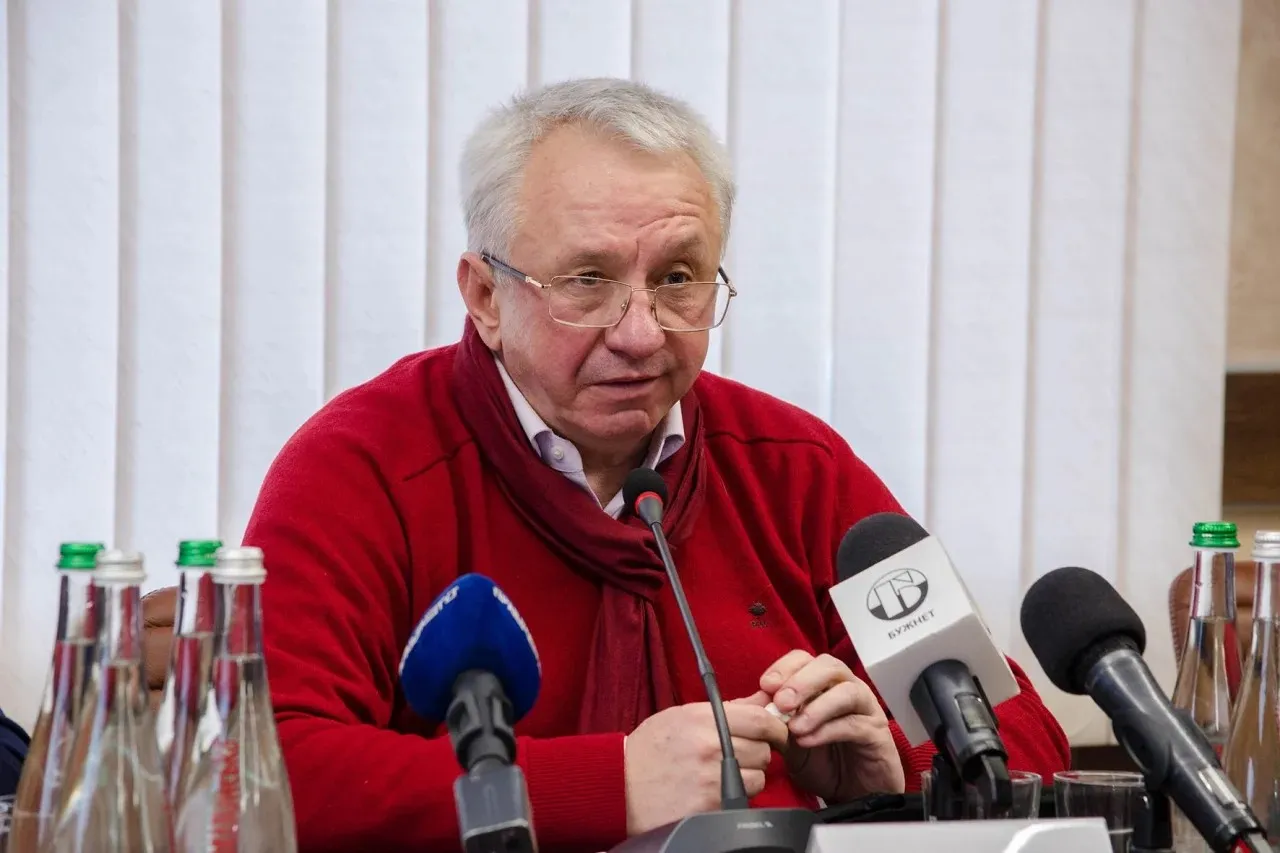
Oleksiy Kucherenko: What “resilience plans” are—it’s not defined
anywhere
The figures and data provided by the Kyiv City State Administration need to be analyzed by experts. The entire process of organizing the Resilience Plan must be examined professionally: who was responsible for what, who did what, who failed to act, and why. We need to examine the funding, determine where incorrect management decisions were made, and where funds were simply “squandered,” says People’s Deputy Oleksiy Kucherenko. According to him, there are complaints directed at both the Kyiv City State Administration and, of course, the members of the Kyiv City Council, who also bear responsibility. Many questions also arise regarding the central government, the president, the National Security and Defense Council, and the government.
“Trying to shift responsibility from one group to another right now is clearly a political maneuver. Realizing that it will be very difficult—and it will be very difficult—they already want to pinpoint the person ultimately responsible. It’s clear that Vitali Klitschko won’t agree to this so easily. That’s absolutely understandable.
But they’re trying to do this in a crude way. The protest in Teremky was a rehearsal. Rallies and information campaigns on social media involving bloggers are being organized, and Mariana Bezuhla summoned Klitschko to parliament.
This is a crude political scenario. I wouldn’t recommend it. Seriously speaking, at this point, nothing can be changed in terms of preparations.
Our parliamentary Temporary Investigative Commission on Resilience Plans, of which I am a member, is working to determine who is responsible for what. It is headed by People’s Deputy Lesya Zaburanna.
But there is another decision the president should have made long ago: to appoint a mature, responsible, and competent person to the position of head of the Kyiv City Military Administration. By the way, when I saw a photo of the president with Vasyl Malyuk, I thought: maybe it will be Malyuk. No questions—let him decide. But such an appointment should have been made long ago.
If there is a desire to balance the forces, then a serious “heavyweight” must be appointed to this position. He will have enough leverage to encourage the Kyiv City State Administration and the Kyiv City Council to act more proactively and use their resources more effectively.
But at the same time, the government also needs to get its own house in order. Because the government is facing a barrage of questions about the extremely poor organization of the preparation of resilience plans. All decisions were made with significant delays. What “resilience plans” actually are hasn’t been defined anywhere. In other words, it was mostly just “talk” initiated by former Prime Minister Yulia Svyrydenko at the end of the year.
Resilience plans were supposed to be in place as early as 2023—through a special law and a separate line item in the state budget. The special law was supposed to outline accountability mechanisms for local governments, heads of municipal utilities, and private companies. It was also necessary to establish a clear chain of command and oversight. All of this should have been done on an entirely different level immediately after the first blackouts.
But they only started “talking” and setting up task forces at the beginning of this year. Furthermore, no funding was allocated. They played games with the money. At first, the figure was 278 billion hryvnias, and then it dropped to 63 billion hryvnias. And for Kyiv, they managed to approve a resilience plan by presidential decree only on August 31. For Kyiv! So who should we direct our questions and complaints to now? So who should we direct our questions and complaints to in this situation? I have professional questions for Vitali Klitschko. But I have three times as many for the government. And for the president as well.”




