
Ignat spoke about changes in Russian tactics regarding the shelling of Ukraine
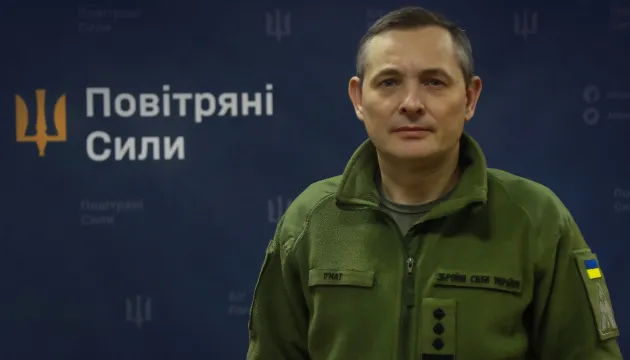
The Russian military has begun to use ballistic missiles more frequently and is increasingly launching strikes during the day to catch Ukrainian air defense systems off guard. At the same time, the Air Force says that Russia is also facing difficulties in missile production due to strikes by the Defense Forces on key military facilities.
Russian troops have changed their approach to airstrikes on Ukraine. Whereas the occupiers previously launched cruise missiles more often, they are now increasingly using ballistic missiles. In addition, the enemy is attacking more and more frequently not only at night but also during the day.
According to him, the Russian army fired about 50 ballistic missiles last week alone. These include Iskander-M and S-400 missiles, which are used to strike ground targets, as well as the Zircon. “The percentage of ballistic missiles is increasing. Whereas previously they launched significantly more cruise missiles than ballistic missiles, over the past week we’ve seen more than 50 missiles that followed a ballistic trajectory,” Ignat said.
At the same time, according to the spokesperson, there are signs that the Russian defense industry is also facing problems. This is evidenced by the missile debris found after the attacks. “The debris found with markings from three weeks, a month, or two months ago indicates that the missiles had, in fact, just rolled off the assembly line. This suggests that not everything in their system is capable of being stockpiled and scaled up; they, too, are experiencing problems,” he noted.
Ignat explained that the capabilities of the Russian military-industrial complex are being affected by strikes by the Ukrainian Defense Forces on strategic targets. According to him, the Ukrainian military is attacking not only oil refineries but also facilities that manufacture critical components for missile systems. This complicates the production of new missiles.
Separately, the spokesperson highlighted another change in the enemy’s tactics. Whereas previously massive missile attacks most often took place at night, Russia is now increasingly launching missiles during the day. “The enemy wants to achieve the element of surprise so that our Defense Forces have less time to prepare. If everyone gets used to ballistic missiles flying, for example, between 2:00 and 4:00 a.m., strikes can now occur at 9:00 a.m. or even at noon,” Ignat explained.
At the same time, he emphasized that Russia’s overall strategy remains unchanged. The occupiers continue to attack Ukraine almost every day and every night with “Shahed”-type strike drones, combining them with missile strikes.
The Air Force is urging Ukrainians not to ignore air raid alerts, regardless of the time of day. While the greatest threat of missile strikes used to be mainly at night, the danger can now arise in the morning and during the day as well, so it is important to respond promptly to warnings and remain in shelters until the alert is over. Yuriy Ignat, head of the Communications Department of the Ukrainian Air Force Command, announced this during a televised marathon.
As a reminder, Russian drones attacked the Chernihiv region, damaging a gas station and a resort.
The WOG gas station chain in Kyiv and the Kyiv region will temporarily suspend nighttime operations due to the increased risk of enemy shelling.


