
Damage to the Slavyanin ferry in Crimea disrupts Russian logistics
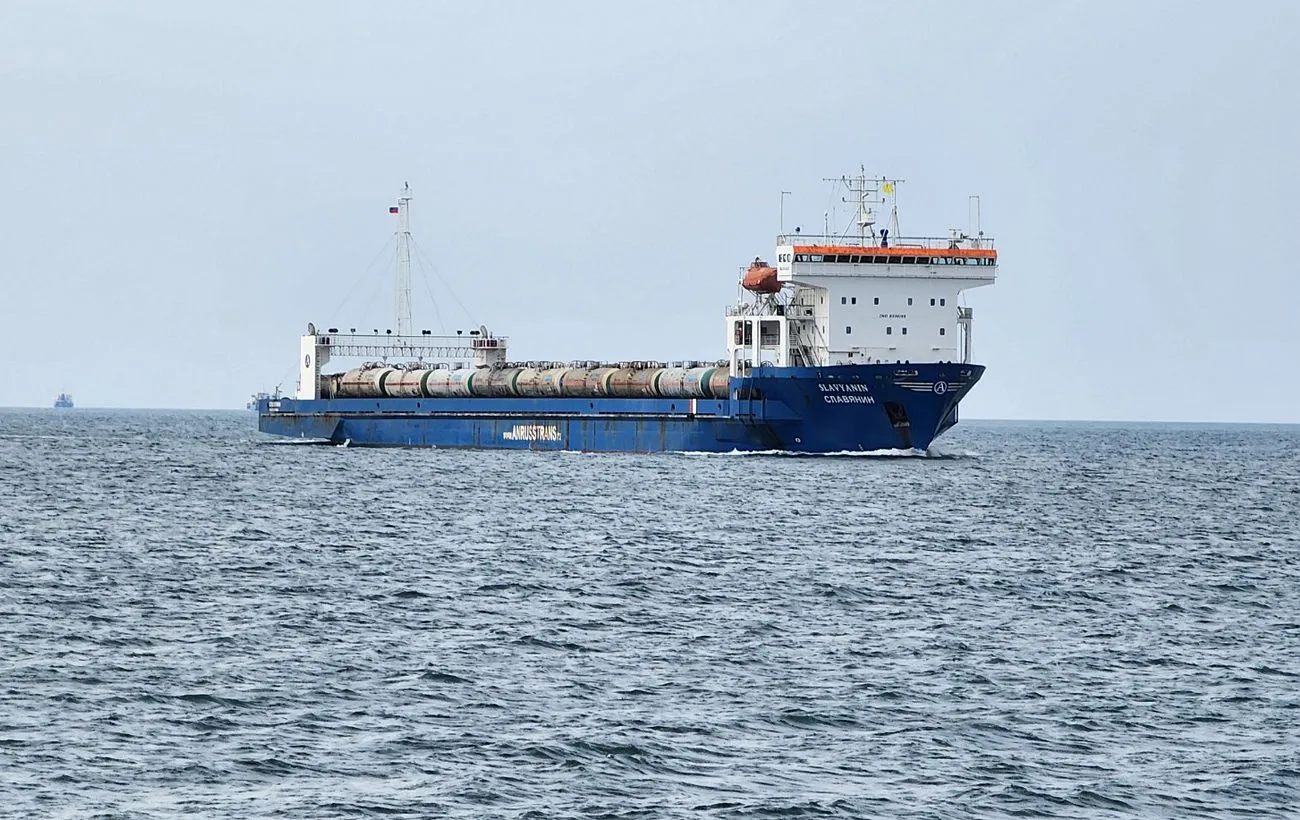
The damage to the Russian heavy-duty ferry Slavyanin has delivered a serious blow to the occupiers’ supply chain, forcing them to seek alternative transport routes.
This was reported by the spokesperson for the Ukrainian Naval Forces, Dmytro Pletenchuk.
With the ferry out of operation, the main logistical burden has shifted to rail transport running through temporarily occupied territories in southern Ukraine. The ferry had been crucial for transporting fuel and heavy cargo, which would be risky or technically difficult to move by other means. Its large capacity allowed Russian forces to quickly redeploy resources while bypassing vulnerable land routes.
“This ferry has been damaged before. The loss is significant because these are large ferries with high capacity, capable of carrying rail wagons,” Pletenchuk emphasized. Previously, the ferry was even used for international routes, highlighting its strategic importance to the Russian fleet.
With Slavyanin out of action, the occupiers are forced to rely on a hastily built railway along the occupied land corridor. However, this route remains under constant fire control by Ukrainian Defense Forces, making logistics even riskier.
Damage to the bridge across the Kerch Strait has also significantly limited Russian capabilities for transporting heavy equipment and fuel. While the bridge is still used for passenger and vehicle traffic, full-scale rail operations with heavy trains remain uncertain. Pletenchuk noted that the occupiers avoid transporting heavy armored vehicles over the bridge due to structural damage. Fuel transport is also considered dangerous because of the high risk of sabotage or missile strikes, which could completely destroy the crossing.
“I think now the railway will bear more of the load, which they laid across the occupied territories in southern Ukraine… because supplies still have to get through,” the Naval Forces spokesperson concluded.
Recall that Ukrainian strikes previously seriously damaged the Russian ferry used to carry cargo to occupied Crimea.
Separately, on July 23, explosions occurred at the port of Kavkaz, prompting emergency and firefighting response; Russian sources reported fires and casualties from the attack.
In Rostov region (Russia) on July 20, explosions hit the area near the Millerovo military airfield, causing fires after a drone attack, and a fuel depot was also struck.
