
A Russian port on the Black Sea has halted oil loading operations
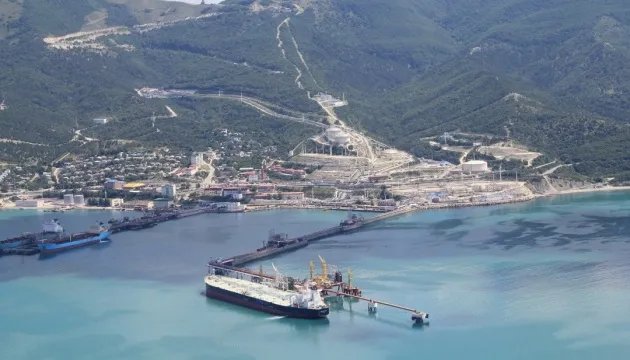
One of Russia’s largest oil ports on the Black Sea has suspended oil loading following drone attacks in the Novorossiysk area. The Sheshkharis terminal has not been conducting operations with tankers since July 22, as confirmed by vessel traffic data and satellite imagery. The suspension of operations could affect Russian oil exports and put additional pressure on the global energy market.
Russia’s largest oil port on the Black Sea—the Sheshkharis terminal in Novorossiysk—has not been loading oil onto tankers for several days following attacks by Ukrainian drones in the area. According to the publication, the last oil loading operation at the terminal took place on the morning of Tuesday, July 22. After that, tanker traffic near the facility ceased.
The suspension of operations is confirmed by vessel tracking data as well as satellite imagery. These show that the oil terminal is temporarily not conducting its usual operations.
What is known about the “Sheshkharis” terminal
The “Shesharis” terminal is located in the port of Novorossiysk in the Krasnodar Krai of the Russian Federation. It is one of the key points for the export of Russian oil via the Black Sea. Every day, large volumes of oil that Russia ships to international markets pass through this facility. According to Bloomberg, in 2025, an average of about 650,000 barrels of oil per day were shipped through the terminal.
Any prolonged disruptions at such a facility could have consequences not only for Russia but also for the global oil market. At the same time, the shutdown itself is temporary for now. The reasons for the complete suspension of shipments have not been officially announced.
Drone attacks have impacted Russia’s oil infrastructure
The suspension of operations at “Sheshkharis” occurred following a series of attacks by Ukrainian drones in the vicinity of Russian port facilities. This week, drone strikes also caused operational issues at the neighboring terminal of the Caspian Pipeline Consortium (CPC). As a result, tankers were also unable to load oil from the facility.
Russian oil ports on the Black Sea are crucial for energy exports. That is why attacks on such facilities can put additional economic pressure on Moscow. Ukraine has recently intensified its strikes against Russian military and logistical infrastructure, particularly against facilities that support the defense sector and fund the war.
Will this affect global oil prices?
According to Bloomberg estimates, if disruptions at the “Shesharis” facility persist, this could affect the global oil market. The energy sector is already under pressure due to the unstable situation in the Middle East. An additional reduction in supplies from Russia could exacerbate price volatility.
However, a short-term shutdown of a single terminal does not automatically mean an oil shortage. Much will depend on how long the port remains shut down and whether Russia can quickly resume exports.
Intensified Strikes on Russian Maritime Infrastructure
The shutdown of “Sheshkharis” occurred amid intensified Ukrainian attacks on Russian targets in the Black and Azov Seas. Ukraine states that these strikes are aimed at weakening Russia’s military capabilities and putting pressure on the Kremlin through economic losses.
Russian authorities have not confirmed the full extent of the attacks’ impact, but reports of operational issues at port facilities indicate growing risks for Russian exports via the Black Sea, according to Bloomberg.
Russia reported a drone attack on the night of July 25. In the city of Engels in the Saratov region, a fire broke out following reports of a drone threat; it likely originated near a military facility. Russian authorities have not officially reported on the cause of the fire or the possible consequences of the attack.


