
Ukraine has brought the war into Russian homes — CNN
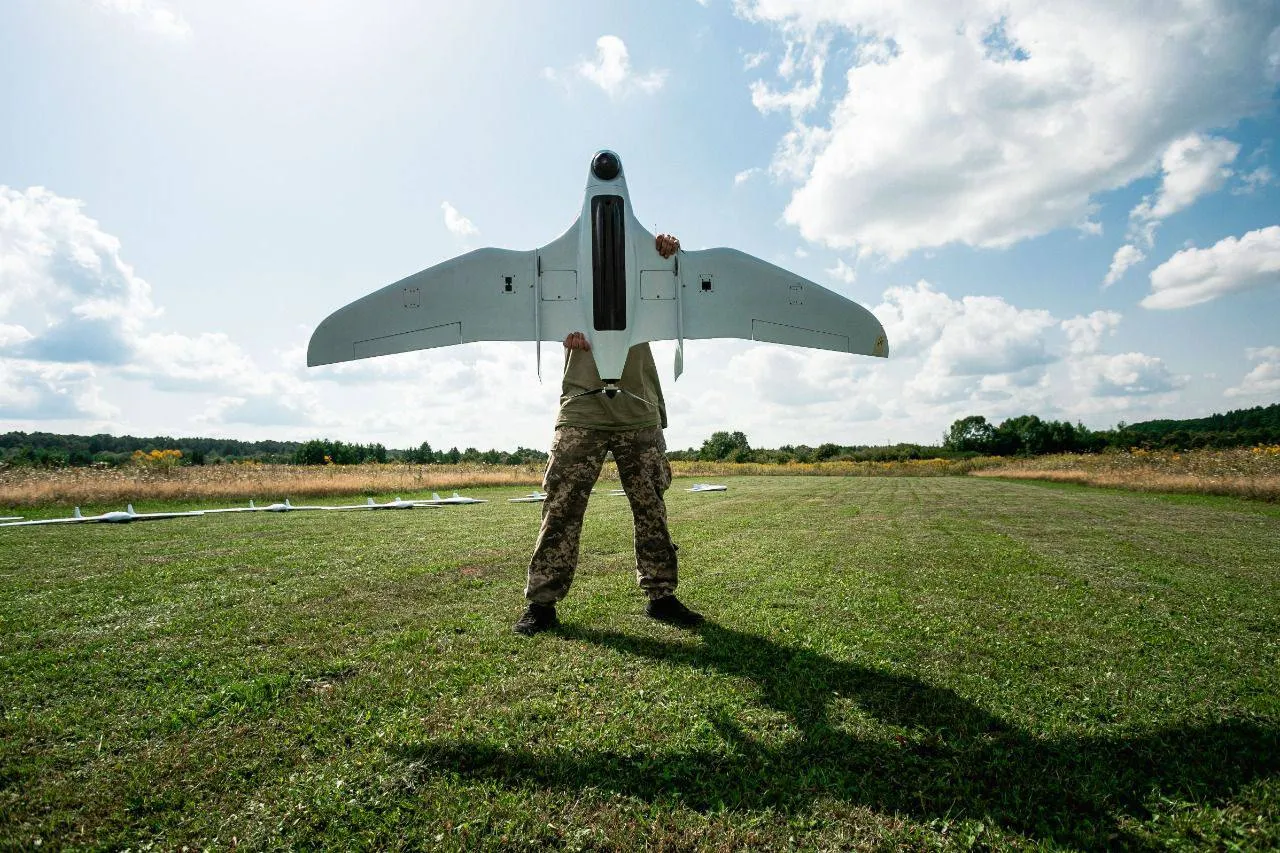
Massive attacks by Ukrainian drones on Russian territory are increasingly forcing residents of major Russian cities to feel the direct consequences of the war unleashed by the Kremlin.
Along with the constant threat of new airstrikes, citizens of the aggressor country are facing serious disruptions to critical infrastructure, strict restrictions on internet access, and widespread blocking of communication channels.
Against the backdrop of these events, a wave of discontent is rapidly growing in the Russian rear due to the prolonged military conflict, which previously seemed distant and intangible to most civilians.
One of the victims of the large-scale attack by Ukrainian drones on May 17 was Elena Vladimirovna, a resident of Zelenograd.
According to her, around 4 a.m., she was awakened by the loud buzzing of drones flying directly over the roof of her house.
“Below us, under the balcony, there is a canopy that looks like a ledge. The drone fell onto this canopy, then caught fire, and black smoke began to rise,” the frightened woman told reporters.
As a result of this strike and the subsequent impact, a living room in her apartment caught fire.
Olena and her son initially tried to extinguish the flames themselves using whatever they had on hand, but after another powerful explosion, they were forced to evacuate immediately to the street.
Even several days after the airstrike, the high-rise residential building remained severely damaged, and traces of soot were visible on the walls.
“I hope they won’t come back. We’re still alive. That’s the most important thing. I hope the war will end soon,” the Russian woman added.
In recent months, Ukraine has significantly intensified and expanded its long-range strikes deep into Russian territory.
Not only purely military facilities or defense enterprises are regularly targeted, but also fuel infrastructure, which directly affects the daily lives of the population.
In particular, successful strikes on oil refineries have already caused serious fuel shortages in some regions of the Russian Federation, and in the temporarily occupied Crimea, the invaders have even introduced strict rationing of gasoline sales.
The attack on St. Petersburg, which took place right during the St. Petersburg International Economic Forum, was also significant.
Due to the real threat of new airstrikes, Russian authorities advised residents of certain city districts to stay home and not go outside unless absolutely necessary.
A resident of Kronstadt said that on Friday night she couldn’t sleep at all because of the constant activity of drones and air defense systems.
“It was impossible to sleep. The humming was so loud that I was afraid our apartment building might be hit somehow,” she noted.
Ukrainian President Volodymyr Zelenskyy called this series of long-range strikes a fully justified response to Russia’s daily aggression.
“This time, Ukraine’s long-range strikes reached the Moscow region, and we are sending a clear signal to the Russians: their government must end this war,” the head of state emphasized.
According to official Russian data, during the attack on May 17, more than 500 drones were launched into Russian territory, and three deaths were reported in the Moscow region.
Renowned social anthropologist Oleksandra Arkhipova believes that after the start of the full-scale invasion, a kind of tacit social contract formed between the Kremlin and the residents of major cities.
“The mayor of Moscow has gone to great lengths to create the impression that there is no war. This was a commitment to the residents of Moscow: ‘Go about your lives; there is no war for you,’” the researcher said.
However, in her opinion, this artificial approach is already beginning to show noticeable cracks due to regular explosions.
Restrictions on internet access, the blocking of popular messaging apps, and the forced promotion of the state-run messaging app Max are causing additional discontent among citizens.
Among residents of Russian districts affected by the explosions, direct calls for an immediate cessation of hostilities are becoming increasingly common.
Maksym, a resident of Zelenograd whose apartment was also damaged in the attack, said that what strikes him most are the daily human losses.
“My whole family in Lithuania is simply shocked by the fact that Ukrainians and Russians are dying. That’s the most important thing. Slavs are killing Slavs. I’m all for this ending. The sooner, the better!” the man said, making no attempt to hide his emotions regarding the protracted conflict.
Residents of Khimki, a town near Moscow, also speak openly about their immense war fatigue, where another Ukrainian drone significantly damaged a residential building.
Local resident Nadiya admitted that after the horror she experienced that night, she began to panic at even the most ordinary everyday sounds on the street.
“Everything scares me now, even if it’s just some teenagers setting off firecrackers,” she said.
Another resident of the city, Olena, also expressed a strong desire for the fighting to end as soon as possible.
“I want peace. I want all of this to end as soon as possible,” the woman emphasized.
CNN reports on this.
A massive fire broke out at an oil refinery in Tyumen following a drone attack
On the night of June 6, Russia again came under a massive drone attack. In the Krasnodar region, a fire broke out at an oil depot following explosions, and in the temporarily occupied city of Mariupol, reports indicate a strike on the port area.
On the night of June 5, attack drones struck a number of targets in the temporarily occupied territories of Ukraine. In Luhansk, a massive fire broke out at an oil depot following the attack; explosions and strikes were also reported in the Donetsk, Vuhlehirsk, and Mariupol areas.
On June 3 and during the night of June 4, Ukrainian defense forces struck a number of key military targets belonging to the Russian aggressor.


