
Video: A Crimean priest of the Russian Orthodox Church passed information about pro-Ukrainian priests to the FSB for four years
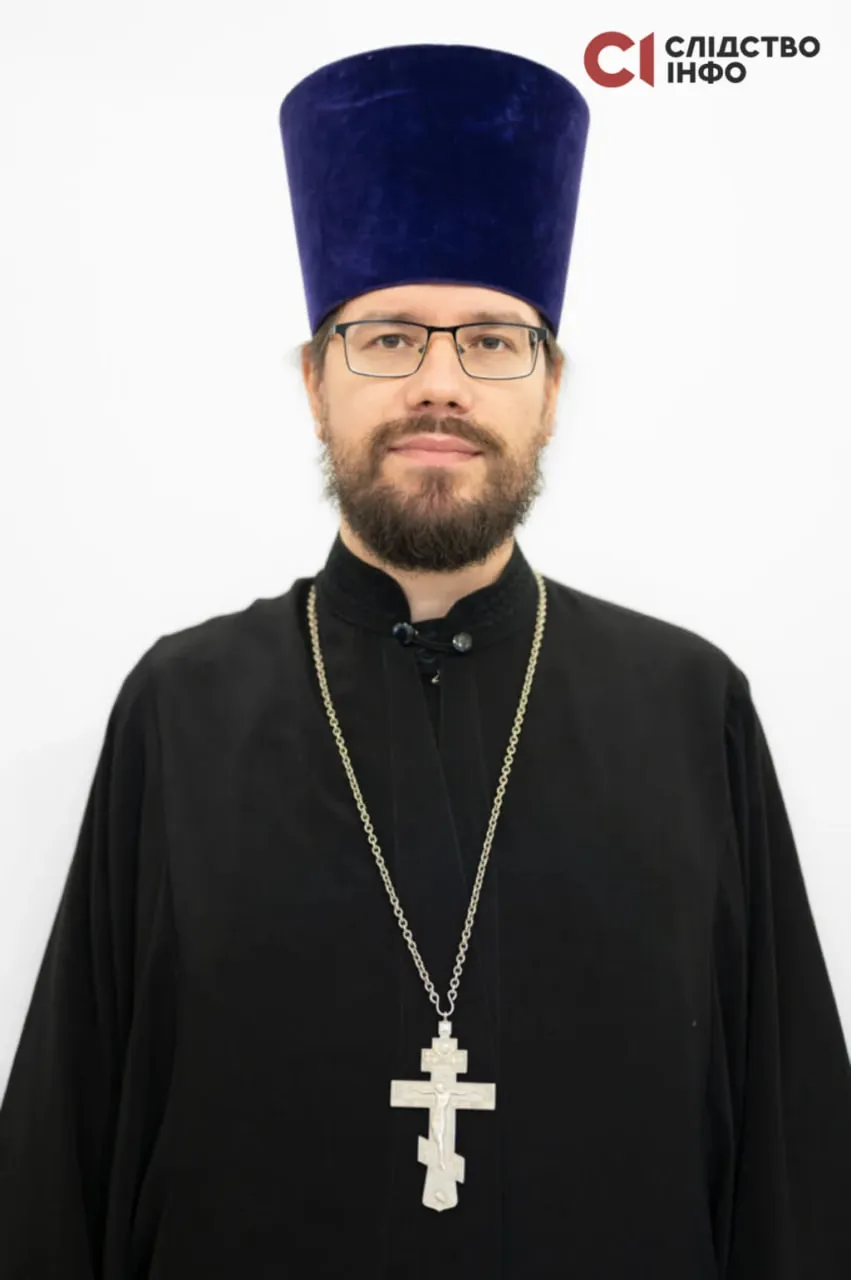
Journalists from “Slidstvo.Info” and “Toronto Television” have published an investigation detailing the collaboration between Dmitry Krotkov, a priest of the Russian Orthodox Church in occupied Crimea, and an FSB officer. According to the authors of the report, they gained access to more than 400 private messages spanning approximately four years.
According to the journalists, Krotkov—who serves as the rector of a Russian Orthodox Church in occupied Crimea and is described as the “chief priest of the Russian Orthodox Church in the Kherson region”—provided the Russian intelligence service with information about other clergy members, their views, and their possible pro-Ukrainian stance.
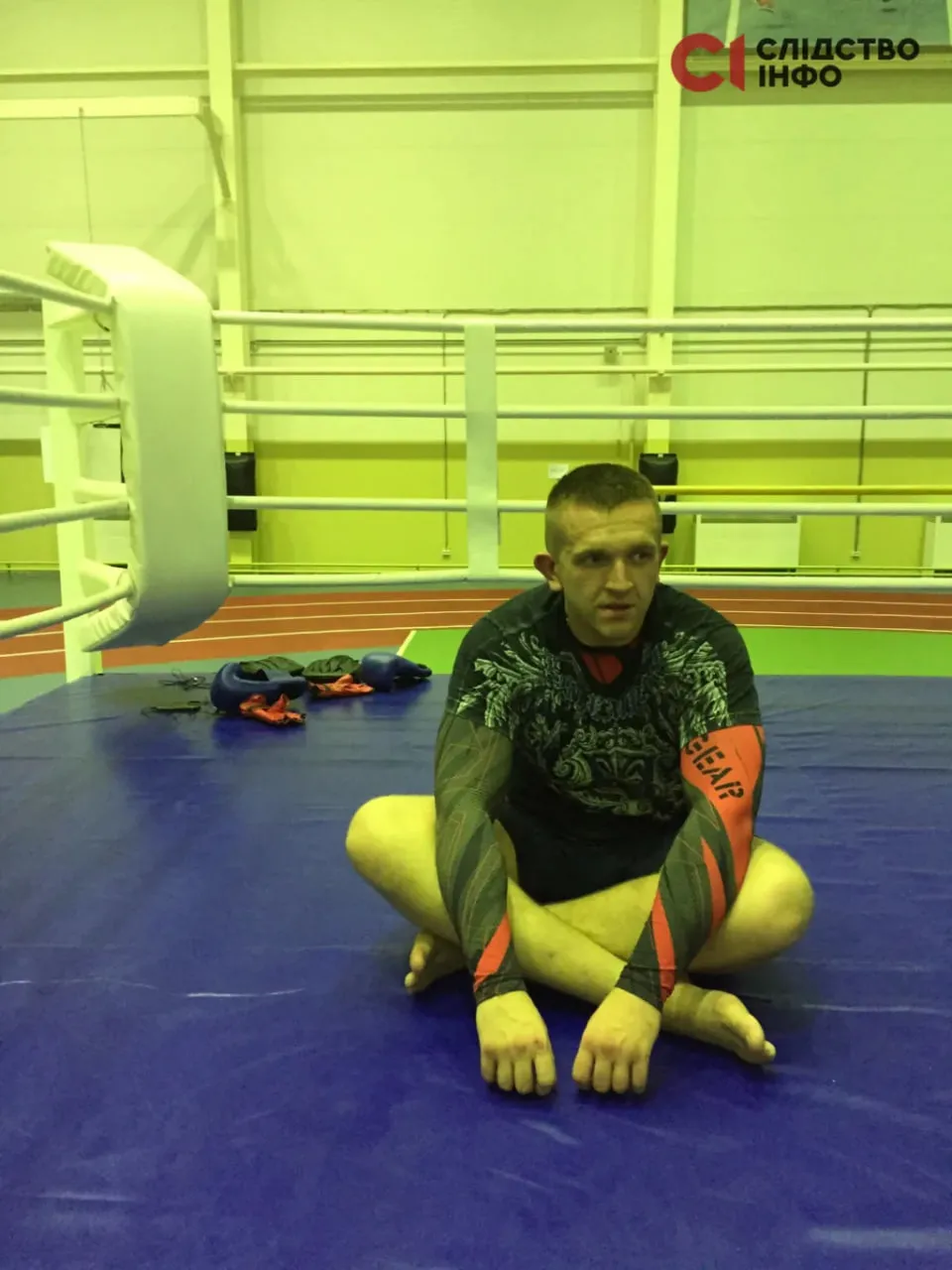
The investigation claims that Krotkov’s contact was 33-year-old Ivan Latyshev, an employee of the FSB’s Center for Countering Extremism. Journalists identified him by a phone number linked to a Telegram account signed as “Ivan Ivanovich FSB.” According to their information, Latyshev oversaw religious affairs on the temporarily occupied peninsula.
As the authors of the investigation note, in his correspondence, Krotkov reported to the FSB on priests whom he considered pro-Ukrainian, and also complained about those he perceived as rivals. In one message, he calls one of the priests “pro-Ukrop,” and in another, he reports that another clergyman consistently speaks Ukrainian and shouts “Glory to Ukraine!”
“He insists on speaking Ukrainian all the time. He follows me around and, out of the blue, shouts, ‘Glory to Ukraine!’ What’s the point of all this? It’s unclear,” Dmitry wrote to his handler.
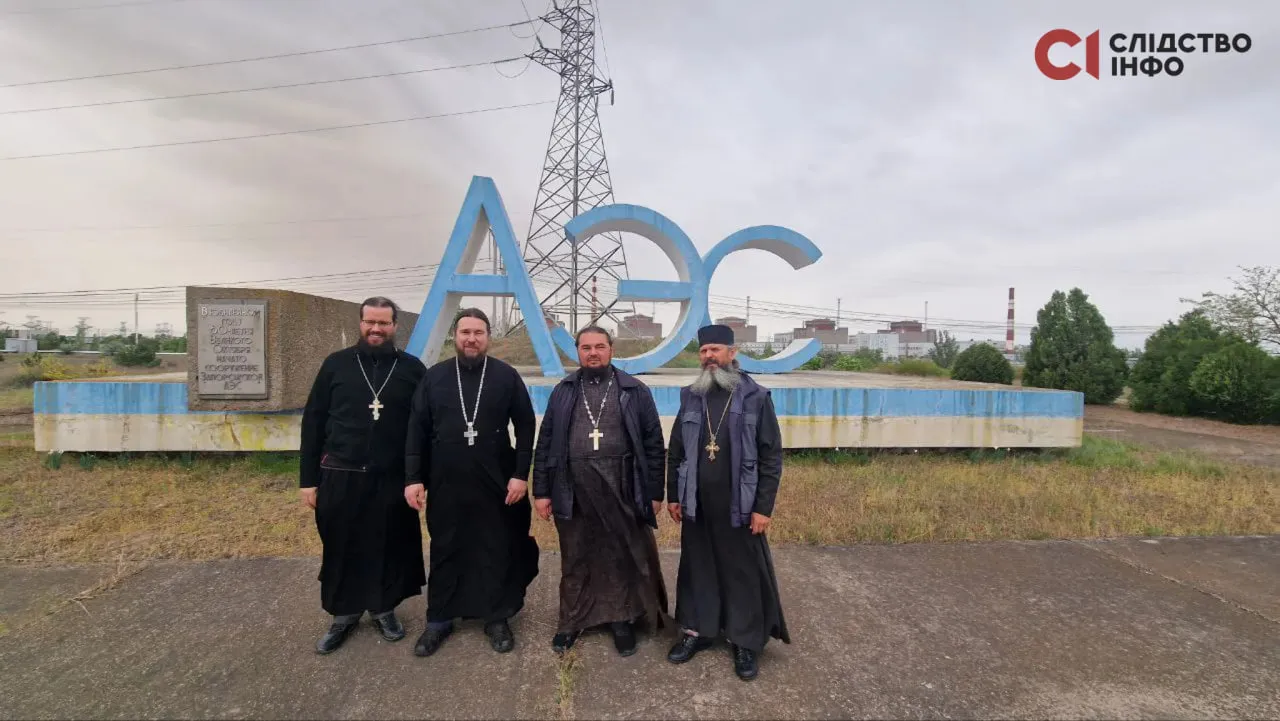
Journalists also claim that Krotkov helped Russian intelligence agencies establish contacts with the clergy in the temporarily occupied territories, particularly in Energodar. The article mentions his joint trip with Moscow priest Pavel Kaleda to the occupied Zaporizhzhia Nuclear Power Plant, which is under Russian control.
Furthermore, according to the investigation, the priest sought out new candidates to collaborate with the FSB, introduced representatives of the clergy, law enforcement agencies, the prosecutor’s office, and the occupying authorities to one another, and used his contacts with the security service to advance his own career.
The report also states that Krotkov has supported the occupying authorities since 2014. In 2023, the Security Service of Ukraine notified him that he was suspected of aiding an aggressor state. According to the SBU, the “Special Humanitarian Center” he headed supplied Russian military personnel with attack drones, thermal imaging devices, radio communication equipment, and electronic warfare systems.
Journalists note that they found no evidence in the correspondence that Krotkov received compensation for his cooperation with the intelligence service. In their opinion, he voluntarily passed information to Russian security forces.
Source: Slidstva.Info.
As a reminder, Russian Orthodox church structures in European countries are masquerading as Ukrainian religious communities in order to influence Ukrainian refugees. This is the conclusion reached by the authors of the study “The Russian Orthodox Church in Europe: Infrastructure of Russian Influence,” prepared by the Institute for National Resilience and Security.
The Russian Orthodox Church transferred Metropolitan Hilarion to Brazil following a scandal in the Czech Republic.


