
September 10, 2026 — Suicide Prevention Day: What You Need to Know
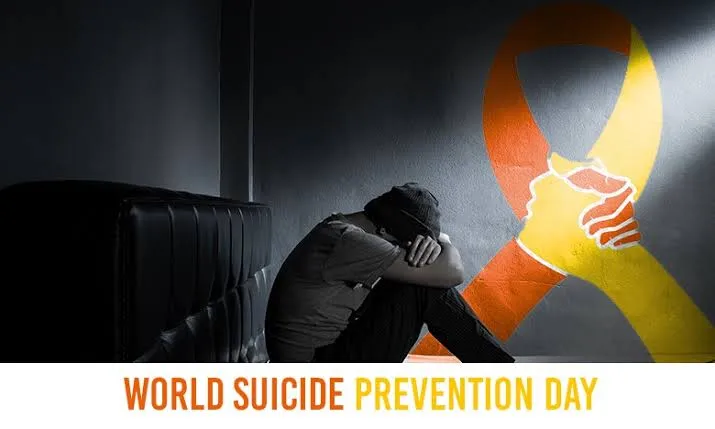
On September 10, the world observes World Suicide Prevention Day—a day that draws attention to the issue of suicide and ways to prevent it. This day was established in 2003 by the International Association for Suicide Prevention and the World Health Organization. Its main goal is to talk openly about the issue, reduce stigma, and remind people that timely support and professional help can save lives.
World Suicide Prevention Day is observed annually on September 10. It was launched in 2003 by the International Association for Suicide Prevention (IASP) in collaboration with the WHO. The first such day was officially held on September 10, 2003, in Stockholm. The organizers wanted to establish an international date when governments, healthcare professionals, civil society organizations, and ordinary people could all come together to discuss suicide prevention.

Initially, this day was conceived as a large-scale awareness campaign. The goal was not only to share statistics but also to change society’s attitude toward people experiencing a crisis. The topic of suicide had long been taboo in many countries, and people who had suicidal thoughts or had attempted suicide were often afraid to seek help for fear of being judged.

In 2004, the WHO once again endorsed the observance of this day, and it became an annual international event. Since then, September 10 has been marked by awareness campaigns, educational events, conferences, public actions, and meetings dedicated to suicide prevention.

Over the years since the day’s inception, the very conversation surrounding the issue has changed. Today, international organizations emphasize that suicide cannot be explained by a single cause. A person’s behavior can be influenced by psychological, social, economic, cultural, and other factors, and a crisis can arise even when a person has not previously had obvious mental health issues.
Why This Day Is Important
World Suicide Prevention Day is necessary, first and foremost, to ensure that this issue is not swept under the rug. Suicide is often shrouded in fear, shame, and myths. As a result, a person experiencing a crisis may be left alone with their feelings precisely when they need support the most. The WHO emphasizes that suicide is preventable. This requires not only medical care but also a broader support system—ranging from accessible psychological and psychiatric care to working with families, schools, communities, and other settings where people spend a significant part of their lives.

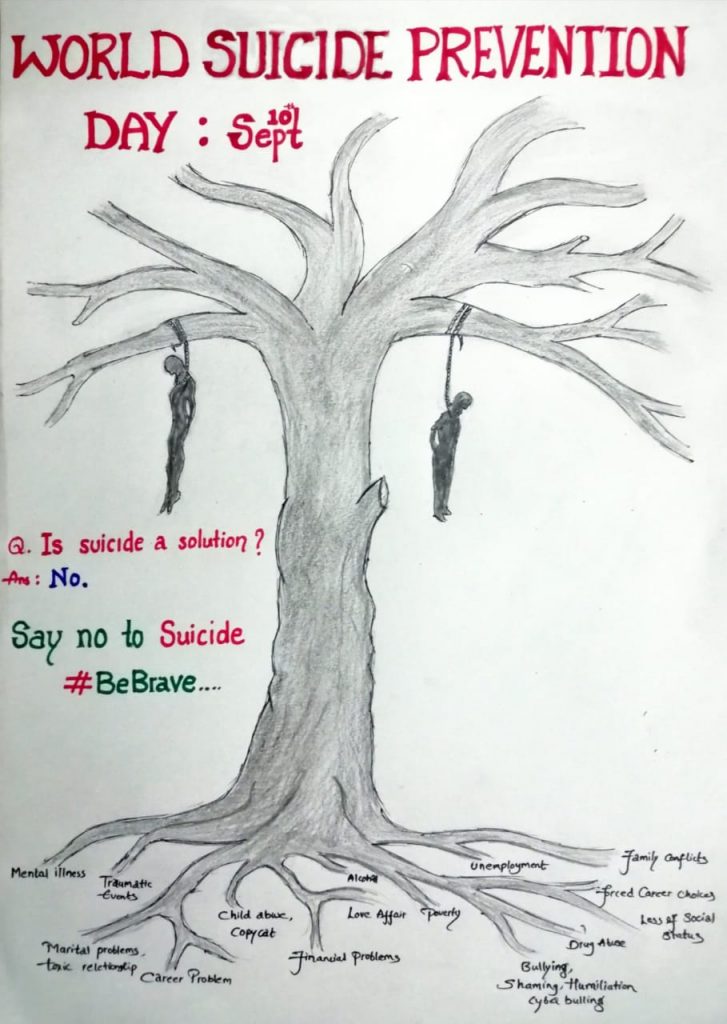
It is also important to note that not all cases are linked to a single specific diagnosis. The WHO notes that suicidal behavior can arise as a result of loss, loneliness, financial difficulties, relationship conflicts, violence, discrimination, chronic pain, illness, or crises and emergencies. In some cases, a person may act impulsively in the heat of a crisis.
That is why one of the main principles of prevention is not to leave a person alone with their problem. Talking, showing concern, and helping them reach out to a professional can make a difference. This doesn’t mean that friends or family members should try to treat the person on their own, but they can be there for them and help them get professional support.
The Global Situation
The problem remains very widespread. According to current WHO data, more than 720,000 people worldwide die by suicide each year. In 2021, according to global WHO estimates, there were approximately 727,000 such deaths. About 73% of all cases occurred in low- and middle-income countries.
Suicide among young people remains a particularly serious problem. In 2021, suicide was the third leading cause of death among people aged 15 to 29 worldwide. Therefore, prevention is not only the responsibility of doctors but also of schools, universities, families, employers, and other settings where it is possible to recognize in a timely manner when a person is struggling.

At the same time, behind every statistical figure lies a unique human story. Death by suicide affects not only the person themselves but also their family, friends, colleagues, and community. The consequences of such a tragedy can be felt for many years. The WHO also emphasizes that global data on suicide are not always complete. The reasons vary—from registration issues to stigma and legal differences across countries. Therefore, the actual scale of the problem may be greater than the official statistics suggest.
What Does the 2026 Theme Mean?
In 2026, World Suicide Prevention Day is part of the three-year campaign “Changing the Narrative on Suicide.” The IASP established this theme for 2024–2026. Its main idea is to change the way society talks about suicide and move away from silence, stigma, and oversimplification toward open conversations about help and prevention.
This isn’t about constantly talking about tragedies. On the contrary, the campaign calls for talking more about what can be done to prevent crises. This means raising awareness about available support, teaching people to recognize warning signs in the behavior of loved ones, and creating an environment where seeking mental health help is not seen as something shameful.
Changing the conversation also means being more mindful of our words. This is especially important for the media, as the WHO recommends reporting on suicide cases responsibly—without romanticizing them or providing detailed descriptions of the method or circumstances. This approach is necessary to ensure that the information does not cause additional harm to people who are in a vulnerable state. The main message of World Suicide Prevention Day remains simple—suicide is preventable. It was this very idea that the IASP established as the foundation of the day back in 2003.
How the Day Is Observed
There is no single mandatory format for celebrating September 10. Different countries and cities hold their own events, depending on the capabilities and needs of local communities. These can include public lectures, educational campaigns, conferences, meetings with psychologists, training sessions for medical professionals and social workers, and awareness campaigns in schools and universities. One well-known tradition is the “Light a Candle” campaign. It is held in memory of those who have died by suicide and in support of those going through a difficult time. The IASP associates the image of a candle with light and hope, and in various countries, evening events and candlelight processions are organized on this day.
Another focus is on educational events. Experts explain how to recognize the signs of a psychological crisis, where to turn for help, and how to properly talk to someone you’re concerned about. It’s important to note that people without specialized training aren’t expected to act as psychotherapists. Their role is to listen without judgment, not to leave someone alone in a dangerous situation, and to help them find professional support.
On social media, informational materials and messages about available help are shared on this day. The hashtag #WorldSuicidePreventionDay is used. Organizations may also hold flash mobs, public discussions, and charity events.
What You Can Do on This Day
You don’t have to organize a large-scale event to participate in World Suicide Prevention Day. Sometimes it’s enough to reach out to someone you haven’t spoken to in a while or ask a loved one how they’re really feeling. It’s important not to turn such a conversation into an interrogation and not to try to immediately offer ready-made advice for every problem.
If someone expresses deep despair or says they don’t see the point in living, don’t dismiss their words with phrases like “pull yourself together” or “others have even bigger problems.” It’s better to listen calmly and offer help. The WHO recommends finding a quiet place to talk, letting the person know you’re there for them, and encouraging them to reach out to a medical professional or other appropriate specialist.

If there is an immediate danger, do not leave the person alone. Contact emergency services or crisis support and involve people who can be there to ensure their safety. In such situations, it’s better to err on the side of caution than to leave the person without support. For companies and organizations, this day can serve as an opportunity to discuss the mental health of their employees. This is especially important in workplaces where people operate under high stress, have heavy workloads, or are constantly faced with crisis situations.
Interesting Facts About World Suicide Prevention Day
The first World Suicide Prevention Day took place on September 10, 2003. It was held in Stockholm at the initiative of the IASP in partnership with the WHO.
In 2004, the WHO once again joined the effort as a co-organizer. Since then, September 10 has become an annual international date dedicated to raising awareness of this issue.
A candle has become the symbol of many campaigns. It is lit as a sign of remembrance and hope, and the IASP runs the “Light a Candle” campaign together with partners around the world.
In 2018, a special ribbon emoji was introduced for international suicide prevention campaigns. It was supported by Twitter, and the ribbon was yellow and orange.
The campaign’s theme changes over time. From 2021 to 2023, the slogan “Creating Hope Through Action” was used. From 2024 to 2026, the main theme became “Changing the Narrative on Suicide.”
The WHO considers suicide prevention to be a task that goes beyond the realm of medicine alone. Education, social services, employers, law enforcement, the media, and other sectors must all be involved. The reason is simple: risk factors are often linked not only to a person’s health but also to their social environment and life circumstances.
What the WHO Recommends
The WHO identifies several approaches that have proven effective in preventing suicide. These include restricting access to the most dangerous means, responsible media coverage of the issue, developing social-emotional skills in adolescents, as well as early identification of people experiencing a crisis and providing them with further assistance. Access to medical and psychological care also plays a crucial role. A person should not have to cope with a crisis alone simply because they fear judgment or do not know where to turn. That is why combating stigma remains one of the main goals of international campaigns.
Experts also emphasize the importance of support following a crisis. If a person has already attempted suicide or is experiencing a severe psychological crisis, they need ongoing contact with professionals and loved ones—not just a one-time conversation. The WHO specifically emphasizes that a previous suicide attempt is a significant risk factor. Therefore, after such an incident, it is particularly important not to leave the person without help and to ensure they have access to professional support.
Why It’s Important to Talk About This Openly
The main purpose of September 10 is not to scare people with statistics, but to remind them that help is available during a crisis. A person going through a difficult time doesn’t always know where to turn or how to talk about their situation. Sometimes the first step is simply having a conversation with someone they trust. Silence and stigma can only make the situation worse. If a person is shamed, ridiculed, or told that their problems are “not serious,” they may withdraw even further into themselves. That is why international organizations urge us to talk about mental health calmly and without judgment.
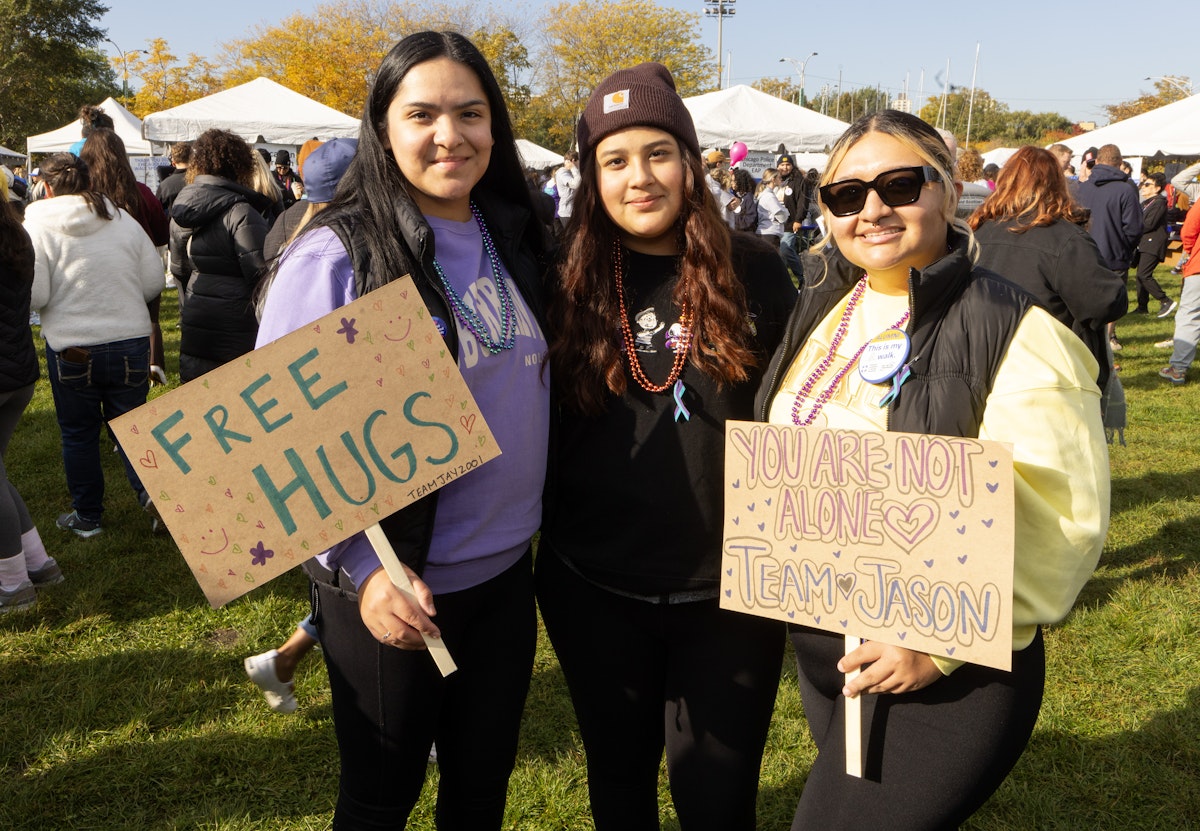
World Suicide Prevention Day reminds us that prevention isn’t just one big event once a year. It’s the daily work of healthcare professionals, psychologists, social workers, educators, families, communities, and the people themselves. Sometimes it starts with a very simple question: “How are you?” That is why September 10 is not a day for grand celebrations. It’s a day that calls on us to notice the people around us, to talk about difficult topics without shame, and to remember the campaign’s key message: suicide is preventable, and timely support can save lives.




