
October 16, 2026 — Homeless Cats Day: The History of the Holiday and How to Help the Animals
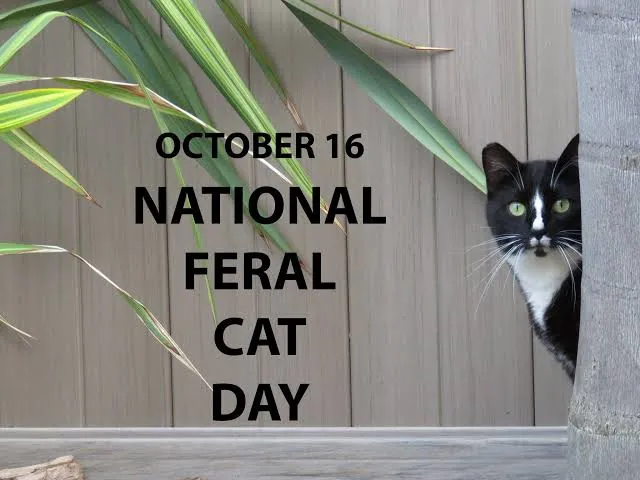
Every year on October 16, people celebrate Homeless Cat Day—a day dedicated to raising awareness about animals that live on the streets and do not have a permanent owner. The holiday was established by the American organization Alley Cat Allies in 2001 to promote humane treatment of cats and raise awareness about ways to help them. In 2026, this date falls on a Friday.
National Feral Cat Day was established in the United States in 2001. It was initiated by Alley Cat Allies, an organization dedicated to protecting cats and promoting humane ways to help animals living outdoors. Its goal was to draw attention to the plight of stray cats and change attitudes toward them. The organizers wanted people to stop viewing these animals as a problem to be gotten rid of and instead seek ways to help them safely and responsibly.

October 16 was chosen as the date. Since then, on this day, volunteers, veterinarians, shelters, and concerned citizens have been holding events to support stray cats. Over the years, these events have included veterinary checkups, vaccinations, spaying and neutering, food drives, awareness campaigns, and the creation of shelters where animals can take refuge from inclement weather. The initiative wasn’t limited to the U.S.: over time, events in support of cats began to be held in other countries as well.
Eventually, the movement took on a broader international scope. In 2017, Alley Cat Allies launched Global Cat Day, which is also celebrated on October 16. It encompasses the protection of all cats, while Stray Cat Day remains the practical component of this initiative: it is dedicated to specific actions that can improve the lives of animals in communities. Therefore, both names may appear in various materials. In 2026, Homeless Cat Day falls on Friday, October 16. It is not a national holiday or a day off from work. Its purpose is to remind us that helping animals isn’t limited to a single date on the calendar. Even small actions, if they are regular and well-thought-out, can make life safer for homeless cats.
Why Homeless Cats Need Attention
Cats have lived alongside humans for thousands of years. Some have become household pets, while others have adapted to life on the streets. In cities, they may live near residential buildings, on business premises, in courtyards, near markets, or in other places where they find food and shelter. Some animals have people who feed them regularly, but they do not live in anyone’s home. At first glance, it may seem that cats are capable of coping with any difficulties on their own. However, life on the streets comes with many risks. Animals may go hungry, suffer from thirst, fall ill, sustain injuries, or get hit by cars. Cold weather, heat, rain, and other harsh weather conditions pose additional dangers.

Uncontrolled breeding is an equally important problem. If cats are not spayed or neutered, the number of animals in a given area can grow rapidly. As a result, there is less food and fewer safe places for everyone, and it becomes more difficult for volunteers to provide proper care. That is why animal welfare experts emphasize the importance not only of feeding but also of systematic assistance, including veterinary care and spaying and neutering.
Another issue is animal cruelty. Cats may be chased away from yards, left without water, intentionally injured, or considered unwanted simply because they live on the street. At the same time, the mere presence of a cat near a house does not necessarily mean that it is bothering anyone or needs to be removed immediately. It is important to assess the situation and choose a solution that will not cause the animal unnecessary suffering.
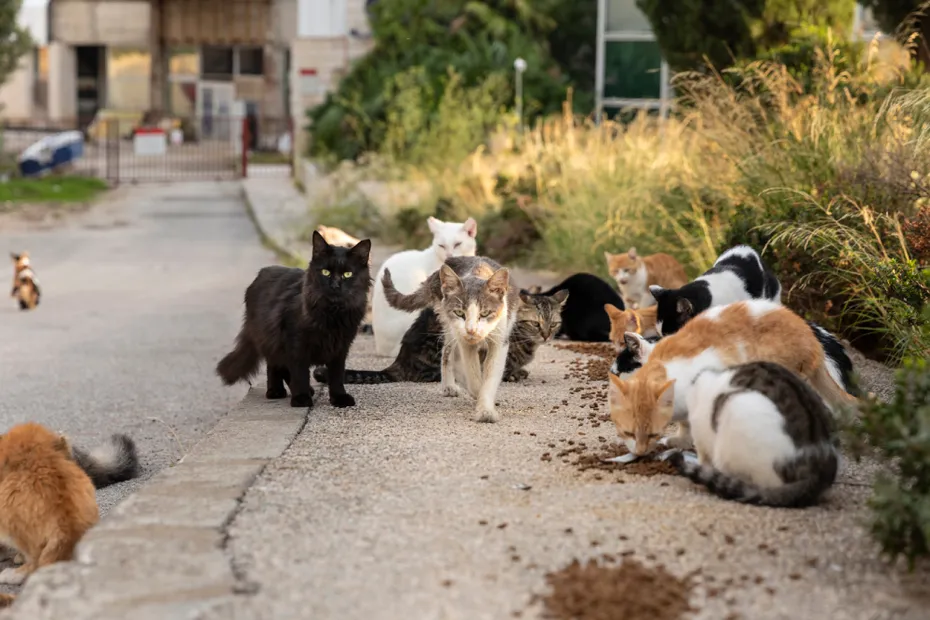
Stray Cat Day is meant to remind us that animals without owners also need protection. This doesn’t mean that every stray cat must be taken home. For some, the best solution may be to find a family; for others, it may be a safe life in familiar surroundings with proper care. The main thing is not to ignore obvious health problems and not to harm the animals.
The Differences Between Stray, Lost, and Feral Cats
Not all cats you see on the street have the same story. Some once lived indoors but got lost or were abandoned. Others were born on the street and are hardly used to people. The kind of help they need depends on this difference.
- A lost or abandoned cat may approach people on its own, seek contact, meow near a building entrance, or try to get inside. However, behavior can vary: a frightened animal that has recently ended up on the street may hide and not let anyone touch it. If the cat looks like a house cat, you should check to see if its owners are looking for it, ask neighbors, and, if possible, contact a veterinary clinic to check for a microchip.
- Feral cats usually avoid close contact with people. They may live in groups within a specific territory, hide from strangers, and only venture out to feeding spots when they feel safe. Such animals may not always be able to adjust to life indoors, especially if they’ve lived without human contact for a long time. It may be better for them to be cared for in a familiar area rather than trying to bring them into your home at all costs.

At the same time, it’s not easy to determine a cat’s history based on a single observation. A frightened domestic cat may behave just like a feral one, while a cautious stray may eventually come to trust people. Therefore, don’t jump to conclusions. If possible, it’s best to talk to local residents who know the animal or contact animal welfare organizations.
How to Help Stray Cats
One of the simplest ways to support stray cats is to provide them with food and clean water. But it’s important to do this responsibly. It’s best to leave food in one safe spot where it won’t disturb residents or create a mess. After feeding, be sure to clean up any leftover food and wash the bowls to avoid attracting insects and keeping the area clean. Regular care is more helpful than occasional feedings, after which the animals are left without support again.

During the cold season, cats need dry places where they can shelter from the wind, rain, and snow. To this end, volunteers set up special outdoor shelters or enclosures. These should be sturdy, protected from moisture, and sufficiently warm. Alley Cat Allies recommends using straw rather than hay to insulate these shelters: straw repels moisture better and helps retain heat.
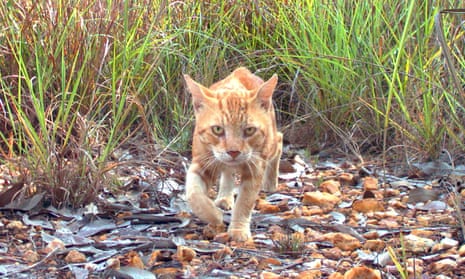
Veterinary care is an important part of providing assistance. If a cat is limping, has visible wounds, is having trouble breathing, or appears very weak, it’s best to contact a veterinarian or a local animal welfare organization. Do not give the animal human medication on your own: some drugs can be toxic to cats. If a cat is acting aggressively due to fear or pain, do not try to grab it by force.

Another way to help is to join volunteer efforts. Volunteers often need food, carriers, cleaning supplies, financial support for veterinary care, and people who can help transport animals. You can also support awareness campaigns, help find owners for lost cats, or participate in finding homes for kittens ready for adoption. Even if you can’t take a cat home, that doesn’t mean you can’t help it.
What Is the “Trap-Neuter-Return” Principle?
One of the methods used for the humane control of the stray cat population is called TNR. The English acronym stands for “Trap-Neuter-Return.” The essence of this approach is that cats are carefully trapped, taken to a veterinarian, spayed or neutered, vaccinated if necessary, and, once they’ve recovered, returned to their familiar territory. This method is supported by Alley Cat Allies and the American Society for the Prevention of Cruelty to Animals (ASPCA).
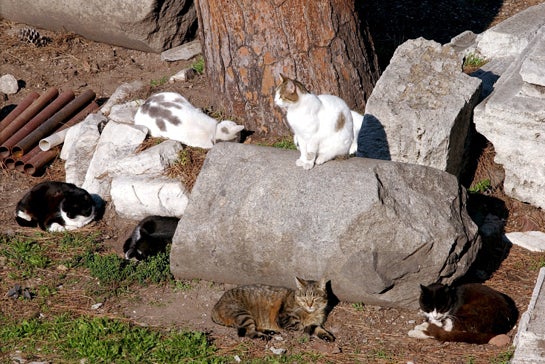
Why is this necessary? If cats continue to breed uncontrollably, the number of animals in a given area can increase. Sterilization helps gradually reduce the number of new litters. At the same time, returning them to their familiar surroundings allows cats—who aren’t accustomed to indoor life—to remain in their natural environment rather than endure unnecessary stress.
After the procedure, the animals may receive ongoing care from volunteers or people who look after the cat colony. They monitor the cats’ health, provide food and water, and seek veterinary care if needed. In some programs, after sterilization, a small mark is made on the tip of the cat’s ear so that specialists can tell the animal has already undergone the procedure and avoid trapping it again unnecessarily. This mark is made by a veterinarian during the surgery.
It’s important to understand that TNR isn’t a one-size-fits-all solution for every cat. A lost pet, an injured kitten, or a cat that cannot survive on the street on its own must be evaluated on a case-by-case basis. In such cases, treatment, temporary shelter, or finding a permanent home may be necessary. The best option depends on the animal’s health, behavior, and specific circumstances.
How to Observe Stray Cat Day
There is no single way to celebrate this day. Instead of traditional festivities, animal welfare organizations suggest dedicating the day to specific actions. In various cities, people organize food drives, veterinary outreach events, spay-and-neuter programs, informational meetings, and fundraising events. Some volunteers set up shelters for cats, while others help the animals find new owners.

On social media, people post photos of cats, share rescue stories, and spread the word about animals looking for homes. Such posts can help find owners for a lost cat or draw attention to the work of a local shelter. However, it’s important not to limit yourself to just photos: even a small contribution toward food, medical care, or spaying/neutering can make a practical difference.

In some communities, educational events are held to mark this date. People are taught the differences between domestic, lost, and feral cats, how to safely interact with an unfamiliar animal, and why it’s important not to leave kittens without help if they’re truly in danger. Such events also help explain why punishment or cruelty does not solve the problem of stray animals.
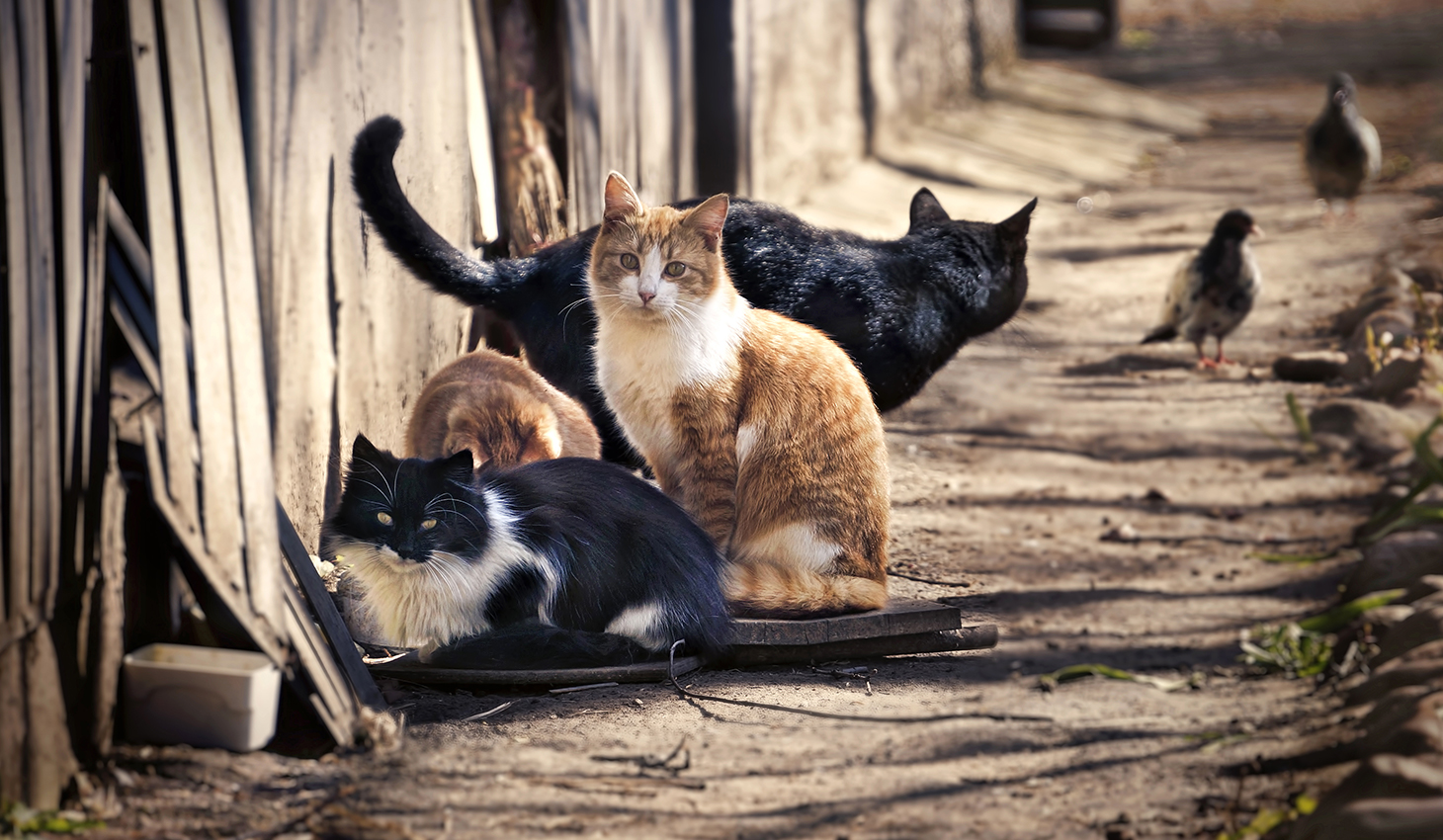
You can get involved without spending a lot of money. For example, you can donate food to a trusted volunteer organization, help clean up a feeding area, or share a post about a cat looking for a home. If you have the experience and ability, you can become a temporary foster parent for an animal that needs medical treatment or temporary shelter. Before taking on such responsibilities, it’s important to realistically assess the time, financial resources, and living conditions you can provide.
How to Help a Stray Cat Without Causing Harm
If you see a stray cat, first assess its condition. Does it have any visible injuries? Can it walk on its own? Does it look frightened or disoriented? If the animal is calm, you can carefully leave water and food for it in a safe place. But don’t try to grab an unfamiliar cat right away: out of fear, it might scratch or bite you.

If the cat looks like a pet, check to see if it’s wearing a collar with contact information. You can ask neighbors, post an announcement in local groups, or contact a veterinary clinic, where they can check for a microchip. Don’t immediately assume every animal is abandoned: the cat might live nearby and have an owner who lets it outside.

If you find kittens, you don’t always need to take them away from where they are right away. Their mother may be nearby and have just stepped away to find food. First, observe the situation from a safe distance without putting the kittens in danger. If they are injured, very weak, in a dangerous location, or if the mother hasn’t returned for a long time, contact a veterinarian or an animal welfare organization. It’s just as important to clean up after feeding them. Food scraps, scattered bags, and dirty bowls can cause problems for residents and attract unwanted animals. It’s best to set up a tidy feeding area, change the water regularly, and not leave food out for long periods. This way, you can support the cats while keeping the area around your home clean.
Why This Day Is Important for Ukraine
In Ukraine, stray cats can be found in both large cities and small towns. Some of the animals are fed by residents, while others are cared for by volunteers and nonprofit organizations. However, these people’s resources are often limited: they need money for food, spaying and neutering, medication, medical tests, and temporary shelter. That’s why even a small contribution can make a big difference.

The situation can be particularly difficult for animals that have been left without owners due to relocation, evacuation, or other emergency circumstances. In such cases, cats need not only food and water but also a safe place to stay, veterinary care, and, if possible, a new family. Volunteers cannot always take in every animal, so coordination, reliable information, and a responsible attitude from those who want to help are essential.

Stray Cat Day is also an opportunity to reflect on the responsibilities of pet owners. You cannot simply abandon a cat on the street if it has become a nuisance or needs medical treatment. If a person can no longer care for their pet, they should look for a new home through friends, volunteers, or organizations that help with adoption. A responsible decision can protect the animal from the dangers of life on the streets.
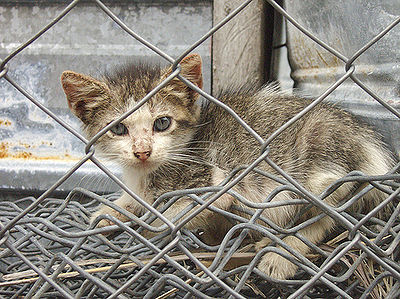
At the same time, not every cat that lives outdoors needs to be brought indoors immediately. For animals that are accustomed to the outdoors and avoid people, proper care in a familiar environment is sometimes the best option. The main thing is that they have access to water, food, shelter, and necessary veterinary care. That is why experts advise choosing a support method based on the specific needs of each cat.
Not Just a Holiday, but a Reminder of Responsibility
World and National Stray Cat Days remind us of a simple truth: caring for animals shouldn’t be limited to just one day a year. You can help a cat at any time—leave out fresh water, assist with medical treatment, participate in spay/neuter efforts, or find a home for a lost animal. It’s important that such assistance be safe and meet the cat’s actual needs.
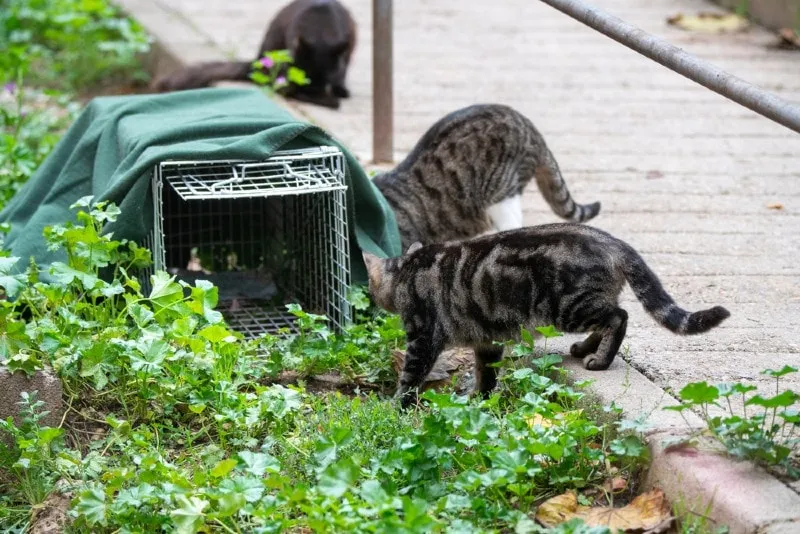
On Friday, October 16, 2026, you can take the first step: find out if there are volunteers in your area who need support, or donate food to an animal welfare organization. You can also talk to your friends about responsible cat ownership and explain why spaying/neutering and veterinary care matter. Even a small action can make a difference in a specific animal’s life. This day doesn’t call for grand words or big promises. Rather, it serves as a reminder that compassion is shown through actions. For a stray cat, clean water, a safe shelter, or timely veterinary care can be far more important than any holiday greeting.




