
59% of company representatives cite financial constraints as a decarbonisation barrier — Cyprus Mail
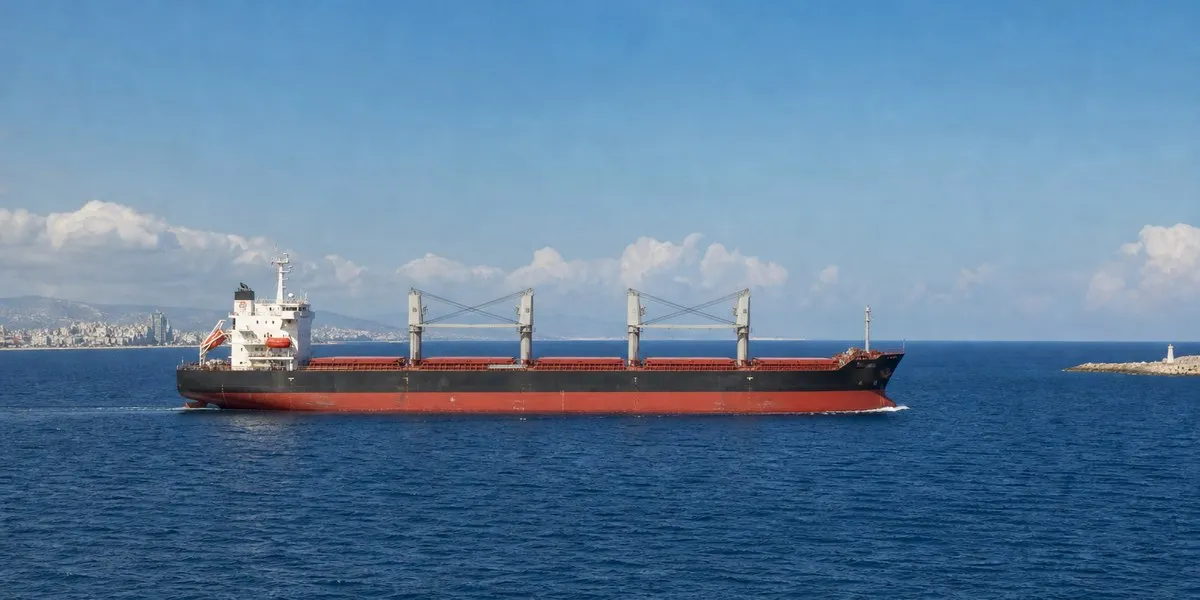
In the Eastern Mediterranean, 59% of shipping company representatives cited financial constraints as an obstacle to decarbonisation, compared with 46% in the first survey wave. The results of the second METAVASEA survey wave, presented at the ECONSHIP conference in Chios, were published by Cyprus Mail.
HELMEPA released the survey results, which covered 1,182 responses from seafarers, shipping company representatives, port authorities, service providers, suppliers, civil society and port cities. Data were collected from December 2024 to November 2025. The total number of responses across the two waves was 2,080.
Strategies and obstacles
The share of shipping company representatives who said they had a strategy to achieve net-zero emissions in line with the International Maritime Organization's 2050 target rose from 14% to 22%. Another 9% of respondents said their company had adopted a more ambitious strategy.
Among company respondents, 59% said they had a sustainability manager or a separate specialised unit, compared with 49% in the first wave. The share of companies tracking direct Scope 1 emissions increased from 73% to 78%. At the same time, 50% of respondents reported limited capacity to implement changes, compared with 29% previously, while another 50% reported insufficient awareness of available solutions, compared with 27% in the first wave.
More current news is available on the UA.News Telegram channel Telegram.
Seafarer training and ports
Seafarers' awareness of regulatory requirements increased: 47% of respondents were aware of the EU Emissions Trading System, compared with 34%, and 45% were aware of FuelEU Maritime, compared with 33%. Understanding of the International Maritime Organization's greenhouse gas strategy rose from 45% to 56%.
Only 45% of seafarers said they had received decarbonisation training during the previous two years. Among those who received training, 66% studied alternative fuels. Crew fatigue was identified as the main safety issue by 69% of seafarers, insufficient training by 25%, and communication problems and working with unfamiliar equipment by 24% each.
Biofuels remain the main transitional option: 59% of companies already use them or plan to do so. According to data from the two survey waves, which covered 11 ports, 73% lack infrastructure for low-carbon fuels, 45% lack the capacity to monitor vessel emissions, and 36% have not planned decarbonisation measures. HELMEPA cautioned that the port sample was small.




