
Abu Dhabi to allocate 240 billion dirhams for 15-minute city infrastructure — The National
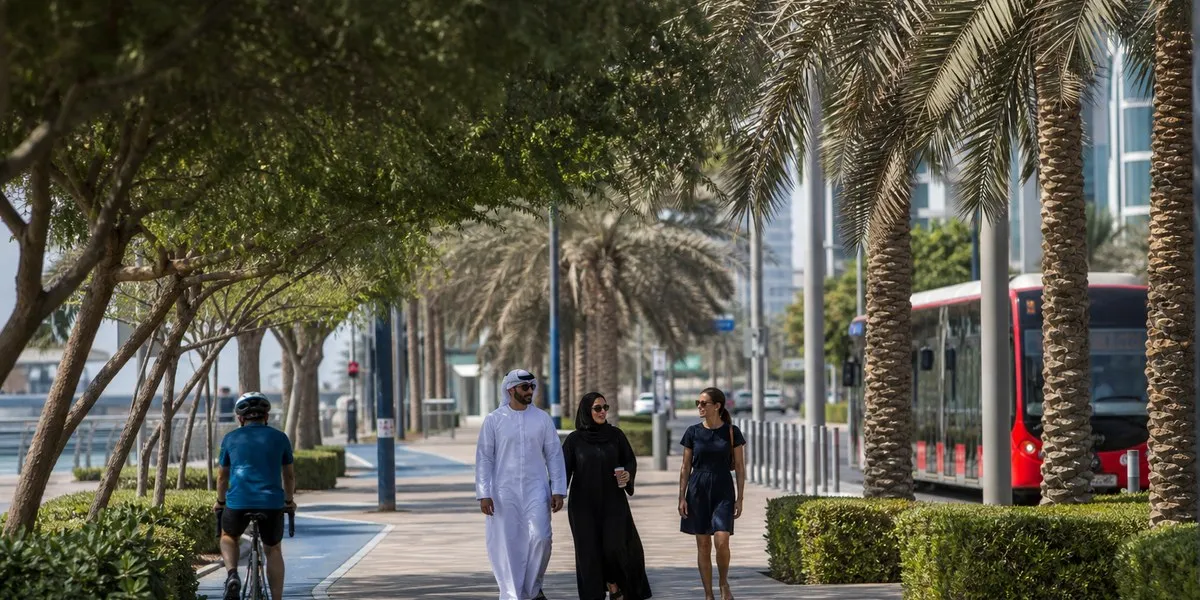
Abu Dhabi in the United Arab Emirates plans to allocate 240 billion dirhams, or $65.4 billion, to infrastructure development over the next decade. The funds are intended to help implement the “15-minute city” model, under which residents will be able to reach work, schools, medical facilities and leisure venues within 15 minutes.
According to The National, key elements of the plan will include shaded pedestrian routes, limits on urban sprawl and the development of public transport to reduce dependence on cars. Eisa Mubarak Al Mazrouei, director general of the Infrastructure Development Directorate at Abu Dhabi’s Department of Municipalities and Transport, said the authorities aim to make the city convenient and comfortable for everyday life.
Bridges and cycle paths
In March, two new sea bridges were opened, directly connecting Reem Island with Sheikh Khalifa bin Zayed Highway. According to the publication, the bridge is designed to handle up to 7,200 cars per hour, while travel time during peak hours is expected to decrease by 60%, or 15 minutes.
More current news is available on the UA.News Telegram channel Telegram.
Al Mazrouei also said that Abu Dhabi has added up to 350 parks and expanded its cycle path network from 900 km to more than 2,000 km. The three-day LiveX exhibition in the UAE capital is discussing, among other things, locating affordable housing closer to workplaces, using autonomous transport and technologies to reduce traffic congestion.
Autonomous transport
Siemens AG chairman Jim Hagemann Snabe noted that technology can improve the efficiency of urban space, but it must primarily be focused on people’s needs. The development of intelligent traffic management systems, multimodal public transport, pedestrian areas and car-free spaces is being considered as part of a sustainable urban environment.
The tourist and cultural districts of Saadiyat, Yas and Al Maryah islands are expected to receive closer integration with autonomous transport. In Masdar City, which was named as an example of this approach, autonomous vehicles have transported more than 3 million people since 2006. The city also has more than 200,000 square metres of public parks covered by solar panels and canopies.




