
Amnesty calls for probe into Tehran strikes that may constitute war crimes
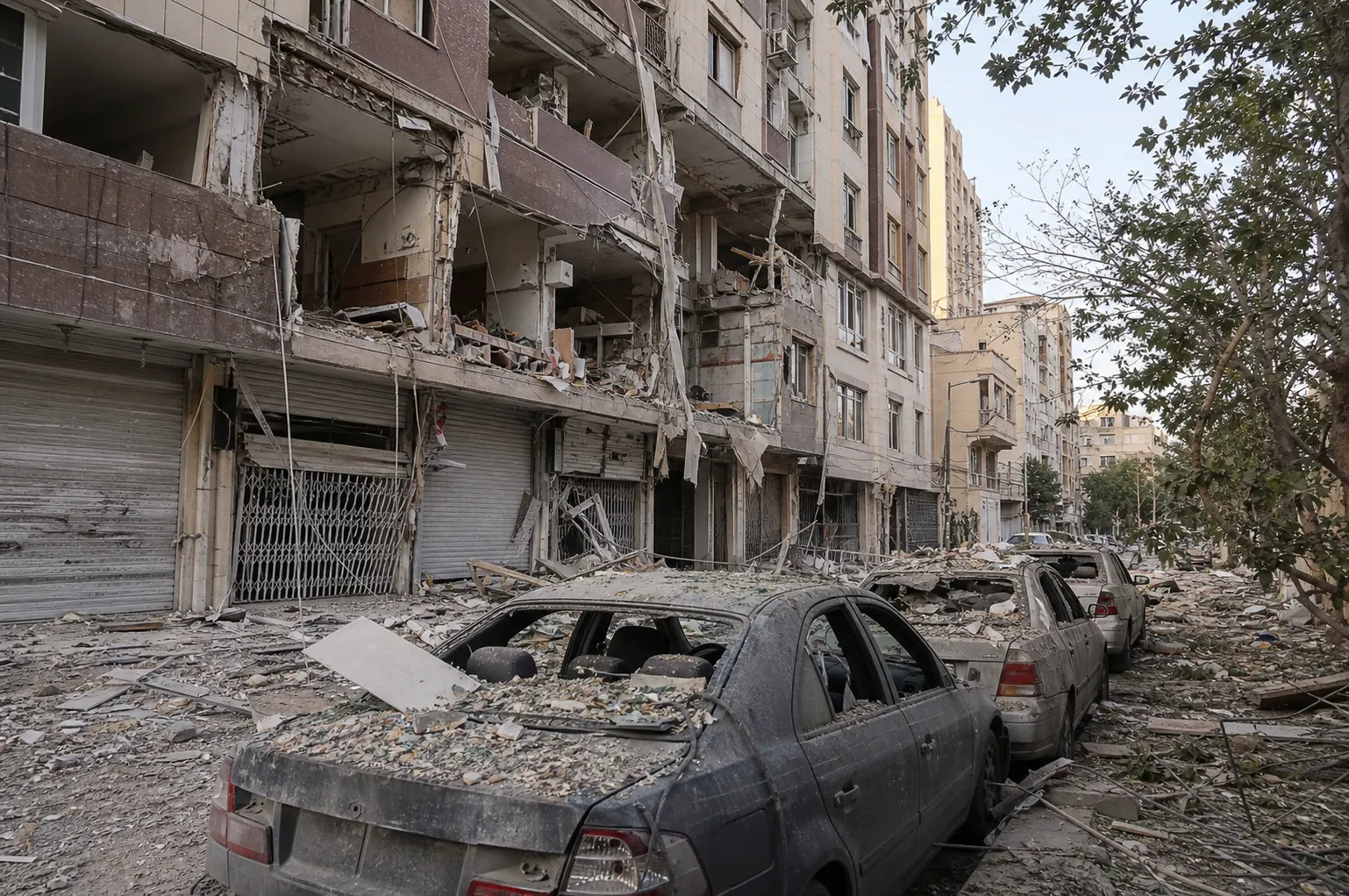
Human rights organization Amnesty International has called for an independent investigation into three US and Israeli strikes on densely populated areas of Tehran, Iran, in March. According to Iranian officials and state media, at least 41 civilians were killed in these attacks. Amnesty said the strikes may constitute war crimes due to the scale of destruction and the possible use of weapons with wide-area effects.
As ABC News Australia reports, the organization analyzed photographs and videos from social media, eyewitness testimony, and reports by Iranian state media. It believes that police stations and facilities of the Basij paramilitary force could potentially have been lawful military targets, but stressed the obligation of parties to the conflict to take all feasible measures to protect civilians.
Strikes on three districts
The first of the strikes reviewed occurred on the evening of March 1 at Niloufar Square in central Tehran. The likely target was a police station, but residential buildings and shops sustained significant damage. Iranian officials reported at least 20 civilian deaths. According to a local journalist who spoke to Amnesty, between 15 and 20 apartment buildings were damaged by the explosions.
On March 9, the Resalat district in eastern Tehran was struck. According to Iranian authorities, at least 16 people were killed, including 12 members of one family. Amnesty suggests that the target was a Basij facility, a paramilitary unit linked to the Islamic Revolutionary Guard Corps. The organization established that three more buildings sustained significant damage, but confirmed only one of them as a residential property.
More current news is available on the UA.News Telegram channel Telegram.
The third attack occurred on March 13 in the Javadiyeh district in the south of the Iranian capital, where, according to Iran's state media, at least five people were killed. The likely target was again a police station, but an apartment building and nearby businesses were also damaged.
Concerns over civilian protection
Amnesty said that the scale of blast damage to residential buildings, a school, and commercial premises in the Niloufar area may indicate the use of munitions with wide-area effects. In the organization's view, the use of such weapons in a densely populated area raises serious questions about compliance with the principles of distinguishing between military and civilian objects and taking precautions in attacks.
The organization also called on the United States and Israel to allow an independent investigation into these strikes, as well as the attack on a school in Minab on the first day of the war. According to Amnesty, 150 people were killed then, including 120 children. At the time of publication, the United States and Israel had not responded to Amnesty's request regarding the report, although they had previously stated that they act lawfully and do not strike civilians.


