
UAE analyst names lessons of October 7 for Israel’s security — Jerusalem Post
UAE political analyst Salem Alketbi, in a column for the Jerusalem Post, examined Hamas’s attack on Israel on October 7, 2023, as an example of why Middle Eastern states need to prepare not only to deter war but also to maintain the functioning of critical infrastructure after possible strikes.
The author notes that Israel’s security doctrine has historically relied on deterrence, early warning, decisive action and defense. In his view, the events of October 7 demonstrated the risk of relying on assumptions that an adversary will remain deterred.
Readiness and prevention
Alketbi believes that after the attack, the approach to the cost of defense readiness changed: spending on intelligence, the army’s combat capability and backup capabilities should be compared with the consequences of a sudden large-scale security failure. He emphasizes that readiness should not be allowed to decline to a level at which restoring it during a crisis would require months.
More current news is available on the UA.News Telegram channel Telegram.
According to the author, prevention should begin before a threat turns into a direct attack. He includes among such risks arms buildups, smuggling routes, command and financial structures, training bases, as well as missile and drone systems. At the same time, the analyst stresses that preventive action does not mean the unlimited use of force.
Resilience of critical infrastructure
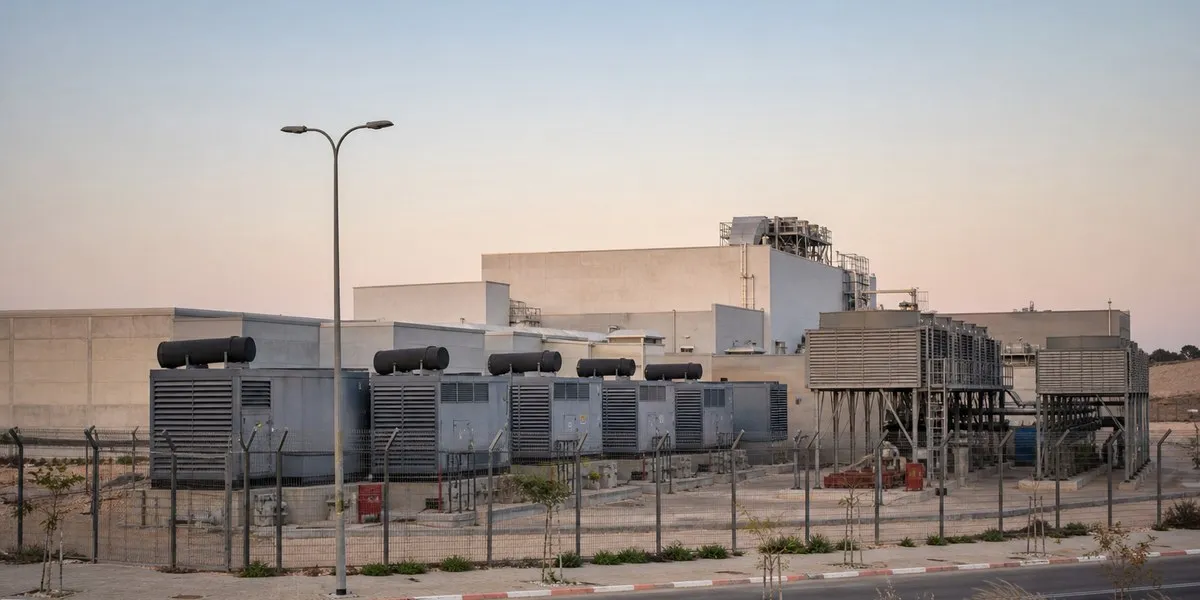
Alketbi paid particular attention to a state’s ability to function after strikes on important facilities. He cites power plants, desalination facilities, data centers and ports important for trade as possible targets. In his view, backup capacity, reserves, repair capabilities and institutions prepared for crisis conditions reduce the effect of an individual strike.
The author also writes that international alliances remain important for security but cannot replace a state’s internal capacity to overcome the consequences of attacks. He argues that countries in the region should take into account their own geography, society and political conditions rather than mechanically replicate Israel’s experience.




