
Columnist urges Harvard to end preferences for alumni children — Fortune
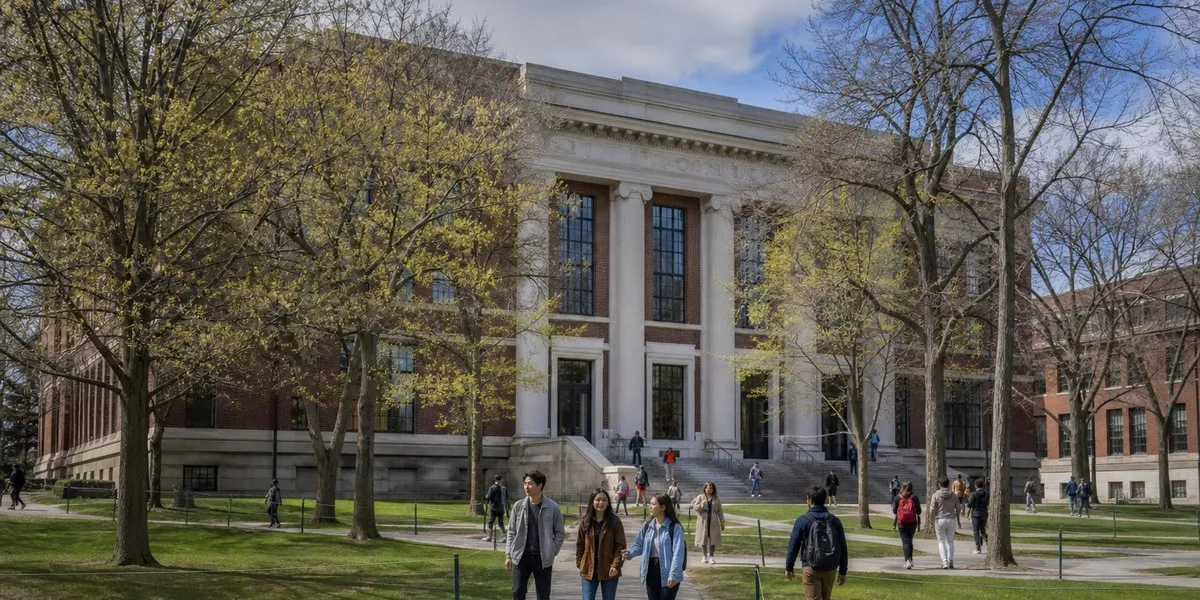
Jason Weingarten, a former admissions officer at the University of Pennsylvania, called on Harvard University in the United States to end broad preferences for the children of its alumni in a column for Fortune. In his view, following the US Supreme Court’s ruling on race-conscious admissions practices, universities should not retain advantages tied to an applicant’s background.
The Z-List program
Weingarten drew attention to the Z-List program, under which some applicants are offered admission to Harvard on the condition that they begin their studies a year later than the main intake. According to the author, such admitted students included children of very wealthy donors, influential alumni, and heads of state.
The author also cited data for 2009–2015: approximately 34% of applicants whose parents attended Harvard were admitted to the university. For applicants without this status, the figure was about 6%, according to the data he cited.
More current news is available on the UA.News Telegram channel Telegram.
Complaint and university examples
According to Weingarten, after the US Supreme Court’s decision in June 2023, civil rights groups filed a federal complaint concerning Harvard’s preferences for the children of alumni and donors. The US Department of Education opened a civil rights investigation, and the university publicly stated that it was reviewing certain aspects of its admissions practices.
As an example, the author cited Johns Hopkins University, which abandoned preferences for alumni children before the Supreme Court’s decision. In 2018, its alumnus Michael Bloomberg donated $1.8 billion to the institution for student financial aid, which, according to Weingarten, enabled the university to permanently introduce admissions without considering families’ financial means.
Weingarten also mentioned California, where preferences for the children of alumni and donors were banned at private nonprofit universities participating in state financial aid programs. According to him, Stanford University withdrew from these programs and replaced the relevant funding with money from its multibillion-dollar endowment.




